




The Goal: Observation Over Control
The purpose of breath awareness is not to achieve a 'perfect' breath, but simply to notice what is already happening. Your body has been breathing on its own your entire life. The practice is about learning to be a passive observer, watching the natural
rhythm without interfering. This builds mindfulness and reduces the stress that comes from trying to meditate 'correctly'. When you feel the urge to deepen or change your breath, the goal is to simply notice that urge as another thought, and let it pass without acting on it.
Setting Up for Success
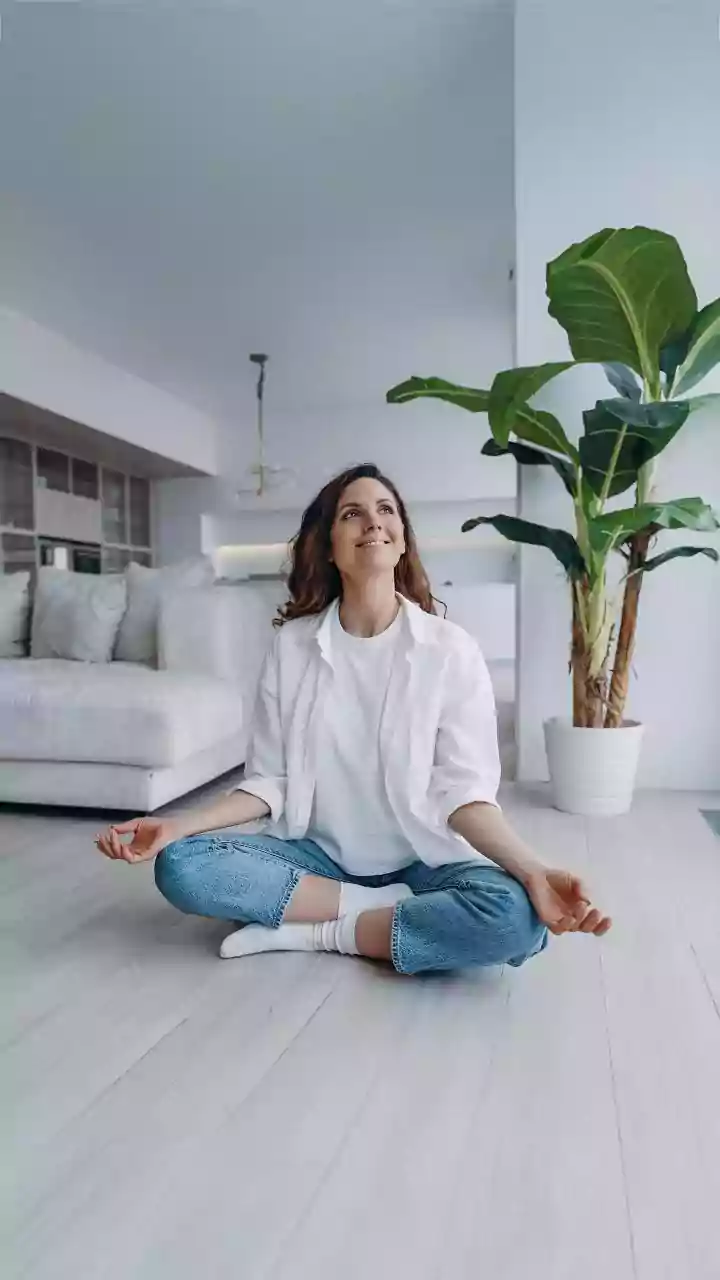
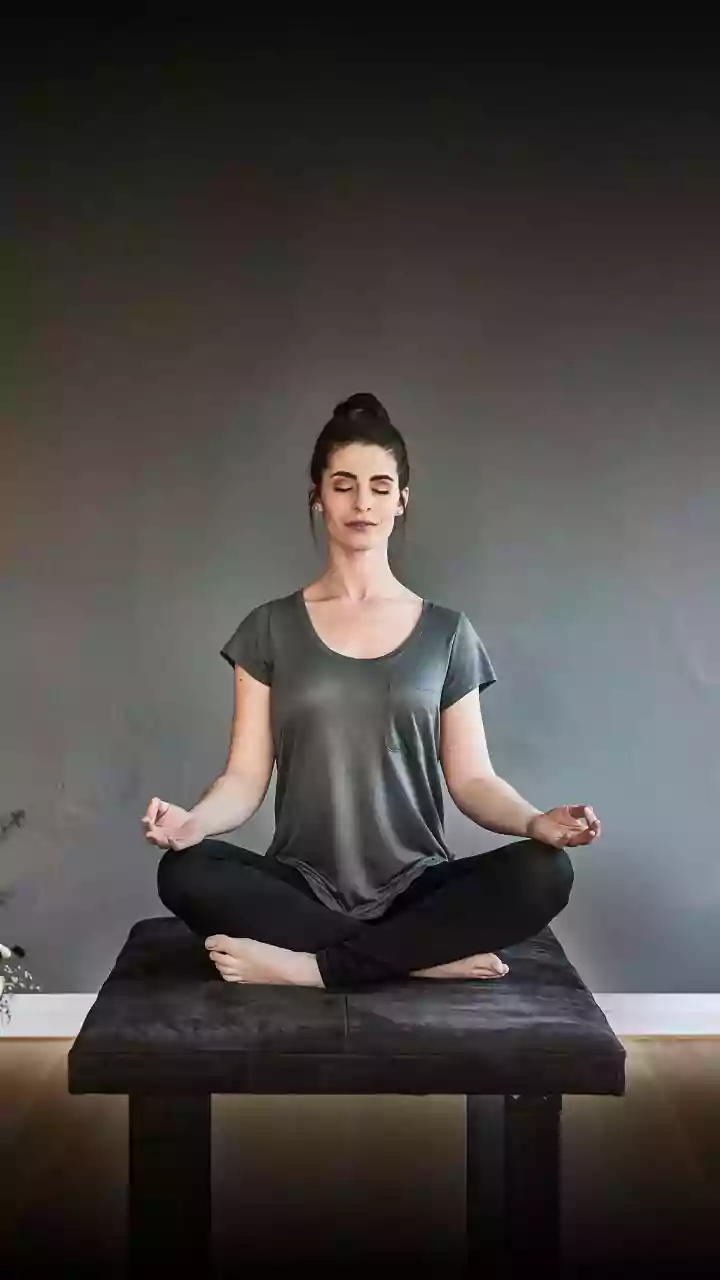
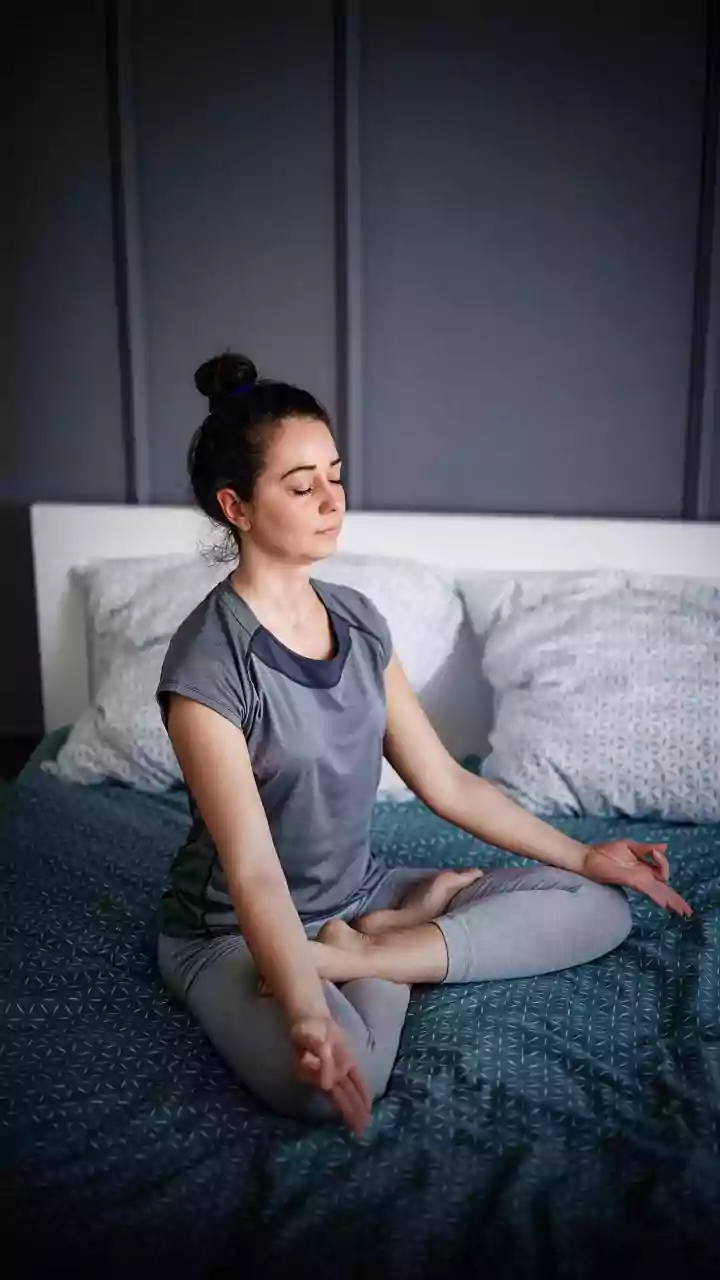
Find a comfortable position where you can remain alert. This could be sitting in a chair with your feet flat on the floor, on a cushion, or even lying down. Loosen any restrictive clothing. Your posture should be stable but relaxed, allowing your spine to be naturally aligned without feeling rigid. You can close your eyes or soften your gaze, looking downwards without focusing on anything in particular. The key is to create an environment of ease before you even begin.
Find Your Anchor Spot
Instead of vaguely 'watching the breath', try focusing your attention on one specific place where the sensation is most clear to you. For many, this is the feeling of cool air entering the nostrils and warm air leaving. For others, it's the gentle rise and fall of the chest or the expansion and contraction of the belly. There is no right or wrong spot. Pick one anchor and gently rest your awareness there. Notice the subtle sensations: the temperature, the texture, the flow of air, one breath at a time.
Techniques for Letting Go
When you find yourself manually breathing, don't get frustrated. It's a sign that your conscious mind is trying to 'help'. To shift from controlling to observing, you can try a few things. First, you can mentally label the sensations very simply, like 'in' and 'out'. This gives your mind a simple job that isn't about control. Another technique is to gently count your breaths. Inhale one, exhale two, and so on, perhaps up to ten, and then start over. If you lose count, that's perfectly fine; just start again from one. The act of counting anchors your attention without forcing the breath itself.
When Your Mind (and Breath) Wanders
Your mind will wander. This is not a failure; it is the central experience of the practice. The moment you notice your attention has drifted to a thought, emotion, or sound is the most important part of the exercise. Acknowledge where your mind went without judgment, and then gently guide your awareness back to your anchor spot—the feeling of the breath. Sometimes, if you're stuck in 'manual breathing', it can help to briefly shift your focus to external sensations, like the sounds in the room or the feeling of your feet on the floor, before returning to the breath. This can help reset the autonomic system.
Starting Small and Being Consistent
You don't need to meditate for an hour to see benefits. For beginners, starting with just three to five minutes a day is an excellent goal. Consistency is more important than duration. Trying to force a long session when you're just starting can lead to frustration and make you want to quit. It’s better to practice for a few minutes every day, building the habit of returning to your breath. Think of it as a small appointment with yourself, a moment to pause and observe without any expectation of a profound outcome.