





The Slow Death of the Daily Dal Chawal
For generations, the rhythm of Indian life was tied to the kitchen. But in today's fast-paced cities, this rhythm is changing. Rapid urbanisation, longer working hours, and the rise of dual-income nuclear families mean that time is the most precious commodity.
A study on urban Indian food habits points to long workdays and sedentary living as major factors influencing food choices. The traditional support system of joint families, where cooking duties were often shared, has given way to smaller households where individuals are solely responsible for meals after a tiring day. This shift is a key driver behind the explosive growth of the convenience food market in India.
The New Menu: Beyond Instant Noodles
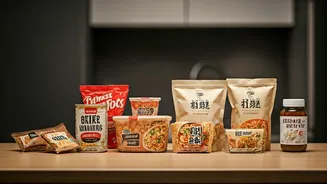
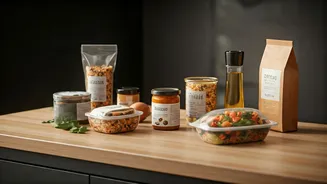
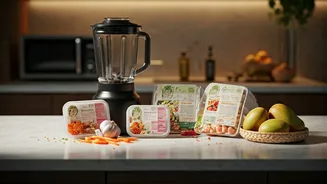
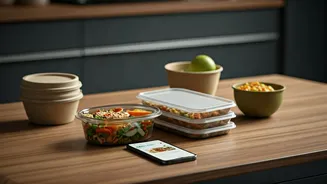
When we say 'quick meals', the mind might still jump to instant noodles, but the landscape has evolved dramatically. The Indian ready-to-eat (RTE) market is now a multi-billion dollar industry, projected to grow significantly in the coming years. This new ecosystem includes everything from ready-to-cook meal kits that provide pre-portioned ingredients for a gourmet dish, to subscription services delivering daily balanced meals right to your doorstep. Brands are increasingly focusing on health, offering plant-based, organic, and protein-rich options to cater to a more health-conscious consumer base. The home-cooked meal delivery market, connecting consumers with home chefs, is also booming, driven by a desire for convenient, affordable, and nutritious food.
The Real Cost of Convenience
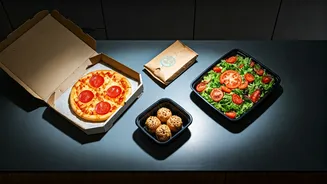
While the time saved is an undeniable advantage, this new reliance on convenience comes with its own set of trade-offs. One of the primary concerns is health. Many pre-packaged meals can be high in sodium, preservatives, and unhealthy fats to improve flavour and shelf life. Over-reliance on them can lead to a lower intake of essential nutrients like vitamins and fibre. Then there's the financial aspect. While often cheaper than eating out at a restaurant, convenience foods are typically more expensive than cooking from scratch. The environmental impact is another factor, with single-use packaging contributing to plastic waste.
Making Smart, Healthy Choices
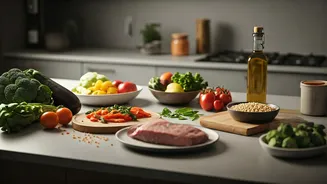
Navigating this new food landscape doesn't have to mean sacrificing your health. The key is to be a mindful consumer. When choosing ready-made products, it's crucial to read the ingredient labels. Look for meals with whole-food ingredients and avoid those with long lists of additives or high levels of sugar and sodium. A good rule of thumb is that the less processed a food is, the better it generally is for you. A balanced approach often works best. Try combining a convenience product, like a pre-made curry paste or a ready-to-cook dal, with fresh, home-cooked components like steamed vegetables or a simple salad. This 'hybrid' approach can save time while still ensuring you get a dose of fresh nutrients.