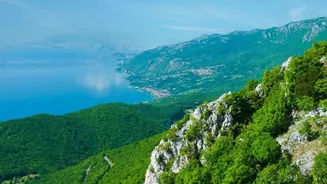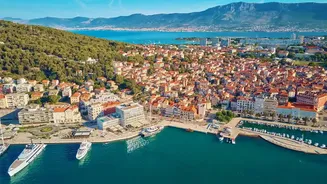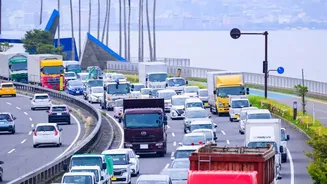


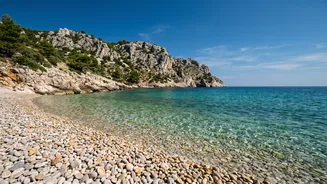
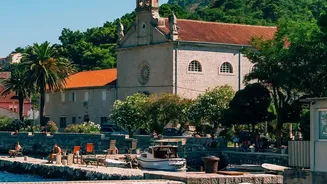
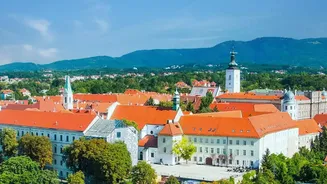
The fantasy is a sun-drenched drive along the glittering Adriatic coast. The reality? A multi-hour standstill on the highway, inching towards a destination so crowded you can barely see the sea. Croatia is beautiful, but you have to know how to do it.
The Adriatic Gridlock
For many travellers, Croatia's summer traffic has become an unavoidable part of the holiday experience. The primary culprit is the sheer volume of visitors, with over 78% arriving by car during the peak months of July and August. This influx converges on key motorways, especially the A1 connecting Zagreb to the Dalmatian coast, creating predictable but massive bottlenecks. The congestion hotspots are notorious: the Lučko toll plaza near Zagreb, the approaches to major ferry ports like Split, and the entire stretch of the Adriatic Highway (D8) on turnover Saturdays when weekly rentals change over. It’s a perfect storm of infrastructure under pressure, where drivers can spend hours in baking heat, turning the dream drive into a stressful ordeal before the vacation has even truly begun. For locals, this seasonal chaos disrupts daily life, affecting everything from commutes to emergency service access.
Famous Hubs, Overrated Experience?
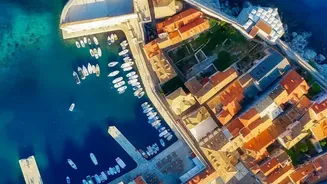
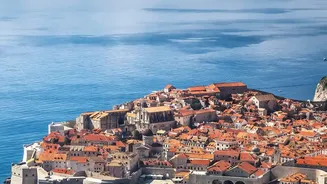
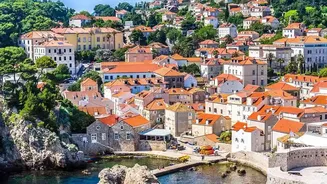
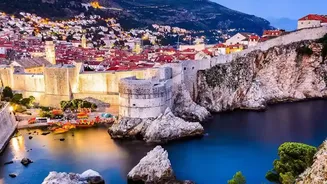
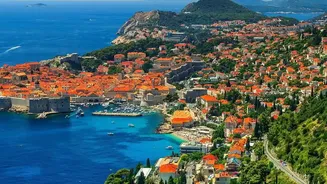
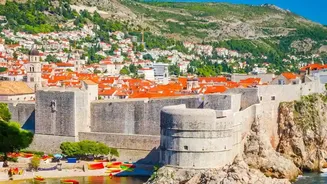
The headline attractions, particularly Dubrovnik and Split, are often at the heart of this frustration. Dubrovnik has gained a reputation as one of Europe's most overcrowded cities, with some studies showing a staggering tourist-to-resident ratio. The 'Game of Thrones' effect, combined with a constant stream of cruise ships disgorging thousands of day-trippers, transforms the historic Old Town into what many describe as a 'human anthill'. While architecturally stunning, the experience of shuffling shoulder-to-shoulder along the city walls or paying premium prices for generic food on the main Stradun can feel deeply underwhelming. Visitors expecting a tranquil medieval retreat often find a theme park atmosphere instead. This doesn't mean the city isn't beautiful, but the peak-season experience is arguably overrated, prioritising sheer numbers over quality.
Smarter Ways to See the Coast
Beating the crowds and the traffic doesn't require skipping Croatia, just smarter planning. The most effective strategy is to avoid peak season. Visiting in the shoulder months of May, June, or September offers glorious weather with a fraction of the traffic. If you must travel in July or August, avoid driving on weekends. The Saturday changeover guarantees the worst jams; travelling mid-week can save you hours of frustration. When driving, start very early in the morning or later in the evening to bypass the midday rush. Consider using ferries to island-hop and bypass congested coastal roads, but book vehicle spots well in advance. Alternatively, fly into regional airports like Split or Dubrovnik and use local transport or private transfers, letting someone else handle the stress of navigating packed streets and finding non-existent parking.
Charming Alternatives to the Crowds
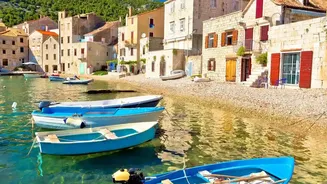
The best way to have a better Croatian holiday is to venture beyond the obvious. Instead of battling the crowds in Dubrovnik, consider the nearby town of Cavtat, which offers a similar Renaissance charm on a more human scale. Instead of basing yourself in bustling Split, look to the city of Šibenik, a stunning medieval gem with two UNESCO sites that many tourists overlook. Zadar, further north, provides a fascinating mix of Roman history and modern art installations without the same level of oppressive crowding. For an island escape, swap the party scene of Hvar for the unspoiled tranquility of Vis, an island that was closed to tourists for decades and retains an authentic, undeveloped feel. Or explore the remote beauty of Lastovo, a designated Nature Park with some of the darkest night skies in Europe. These destinations deliver the quintessential Croatian beauty of clear waters, historic towns, and delicious food, but with the space to breathe and enjoy it.