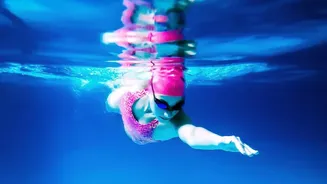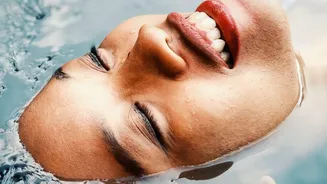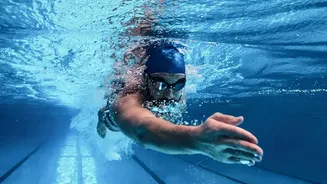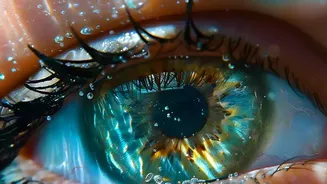




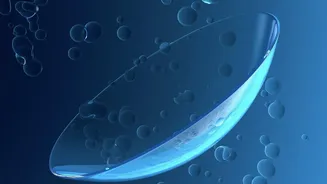
Showering or swimming with your contact lenses in might seem harmless, but it’s a habit ophthalmologists warn against. Water, even from your tap, can cause physical changes to your lenses and expose your eyes to dangerous microorganisms.
The Problem with Water and Lenses
Soft contact lenses
are designed to be comfortable and effective because they contain a significant amount of water. This hydrophilic, or 'water-loving', nature allows them to stay soft and flexible on the surface of your eye. However, this same property makes them act like a sponge. When exposed to external water sources—like in a shower, pool, or lake—they readily absorb that water. Unlike the sterile, pH-balanced solution they are stored in, outside water can drastically alter the lens's properties.
How Lenses Physically Change
When a soft contact lens absorbs water from a shower or pool, it swells and changes shape. This distortion means the lens no longer fits the curve of your cornea correctly. An ill-fitting lens is not only uncomfortable but can also stick to the surface of your eye. This can lead to tiny scratches on your cornea, known as corneal abrasions. These microscopic injuries create an opening for germs to enter and can cause significant pain and blurred vision.
The Unseen Microbiological Danger
Far more dangerous than a misshapen lens is what might be lurking in the water it absorbs. Tap water, lake water, swimming pools, and hot tubs are not sterile. They are home to countless microorganisms, including bacteria, fungi, and parasites. One of the most severe threats is a microscopic amoeba called Acanthamoeba. This organism is commonly found in nearly all water sources, including treated tap water. When trapped between your contact lens and your eye, it has the perfect warm, moist environment to multiply and cause a devastating infection.
Acanthamoeba Keratitis: A Serious Risk
An infection caused by this amoeba is called Acanthamoeba keratitis, a rare but extremely painful and sight-threatening condition. According to health experts, contact lens wearers account for the vast majority of cases. Symptoms often include severe eye pain, redness, blurred vision, light sensitivity, and the sensation of having something in your eye. The infection is notoriously difficult to treat, sometimes requiring a year or more of intensive therapy, and can lead to the need for a corneal transplant or even permanent vision loss in severe cases.
The Golden Rule: No Water, Ever
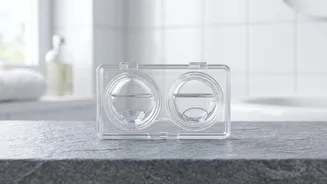
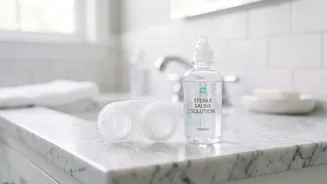
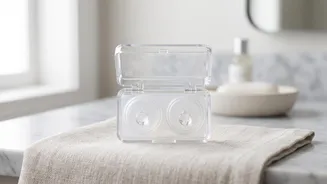
Ophthalmologists and public health agencies like the CDC are unanimous in their guidance: never allow your contact lenses to come into contact with water. This includes a complete ban on showering, swimming, or using a hot tub while wearing them. You should also never use tap water to rinse your lenses or your storage case. Only use fresh, sterile contact lens solution as recommended by your eye doctor for cleaning, disinfecting, and storing your lenses.
What to Do After Accidental Exposure
If you accidentally expose your lenses to water, remove them as soon as possible with clean, dry hands. If you wear daily disposables, throw them away immediately. Do not try to rinse and reuse them. If you wear reusable lenses, you should thoroughly clean and disinfect them overnight in fresh solution before wearing them again. Monitor your eyes closely for any signs of infection, such as redness, pain, discharge, or blurred vision. If any of these symptoms develop, contact your eye doctor right away.