




From Packet to Professional Plate
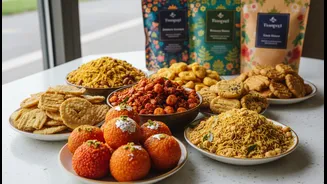
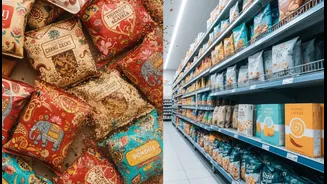
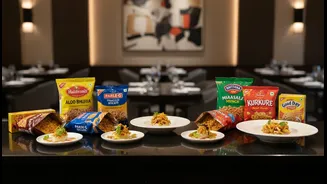
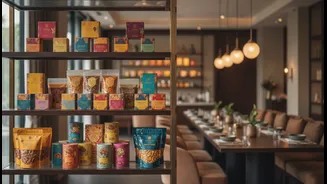
For decades, the journey of Indian snacks to foreign shores ended on a supermarket shelf. Brands like Haldiram's and Bikaji became household names among the diaspora, offering a comforting taste of home. But now, a new chapter is unfolding. These packaged
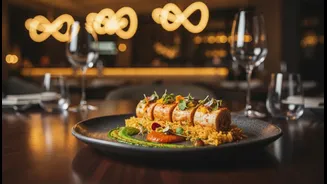
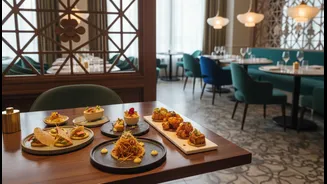
flavours are inspiring and even being directly incorporated into the menus of international restaurants, moving beyond the Indian community to entice global foodies. Chefs are discovering the power of these ready-made components, not as a shortcut, but as a foundation for creativity, providing consistent, authentic flavour profiles that are difficult to replicate from scratch. This trend signals a maturation of Indian cuisine's global presence, from being an exotic option to an integral part of the international culinary landscape.
The Authenticity Engine
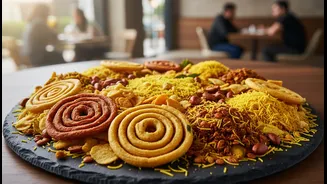
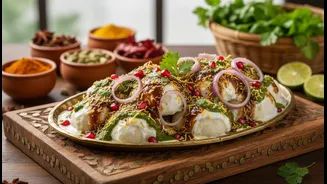
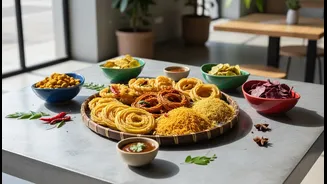
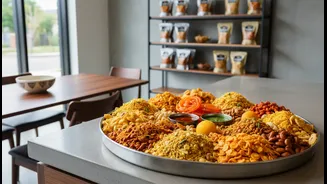
What’s driving this trend? A global hunger for authenticity. Diners are no longer content with a generic 'curry'. They seek specific, regional experiences. They want the fiery, structured heat of Chettinad, the plant-based richness of Kerala, and the street-food excitement of Mumbai. Indian snack brands are essentially archives of these regional tastes. Using an element like Bikaneri bhujia, pani puri, or a pre-made masala blend allows a chef in London or New York to deliver a genuine flavour note that would otherwise require immense expertise and niche ingredients. This has been supercharged by the recent expansion of brands like Haldiram's, which opened a flagship restaurant in London's Leicester Square to massive queues, demonstrating a huge mainstream appetite for authentic Indian snack culture.
A Fusion of Ideas
This isn't just happening in Indian restaurants. Innovative chefs are using Indian snack elements in exciting fusion dishes. Imagine a Western-style burger getting a flavour boost from a spicy Indian chutney, or a salad texturally transformed by a sprinkle of sev. This creative crossover is where the trend shows its true power, introducing Indian flavours to entirely new audiences. For instance, chefs are blending traditional Indian spices into dishes from other culinary traditions, with one survey noting that a high percentage of diners enjoy fusion dishes that incorporate these techniques. This move into fusion cuisine is helping to redefine gastronomic boundaries.
The Business of Taste
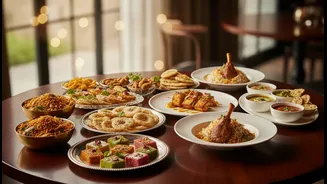
Several factors are making this alliance between snack brands and restaurants possible. The rise of the Indian diaspora created the initial beachhead, but now the movement is driven by broader market forces. The global interest in plant-based and vegetarian diets, where Indian cuisine excels, is a significant driver. Furthermore, the increasing visibility of Indian chefs and food personalities on the global stage has elevated the perception of Indian food from cheap takeaway to sophisticated dining. Michelin stars are being awarded to restaurants that celebrate regional Indian traditions, from South Indian flavours at Semma in New York to modern North Indian cuisine at Gymkhana in London. This fine-dining elevation creates a trickle-down effect, encouraging more experimentation at all levels of the restaurant industry.
The Next Course
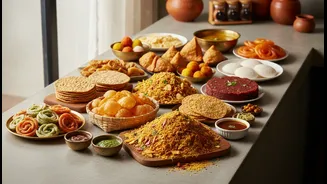
The trend of using branded snack elements on menus is still emerging, but it points to a larger shift in how the world experiences Indian food. While previously it was about exporting finished dishes like butter chicken, the focus is now on exporting the components of flavour—the spices, the textures, and the regional nuances that make the cuisine so diverse. Chefs, whether in food trucks or fine-dining establishments, are becoming key ambassadors, deconstructing and reconstructing Indian flavours for a global audience. The influence is becoming more specific, with cuisines from Kerala, Goa, and Nagaland expected to gain more prominence.