




Gourds Galore: Lauki, Turai, and Karela
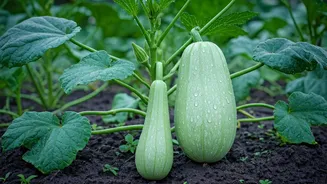
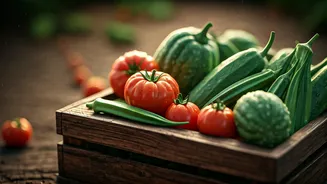
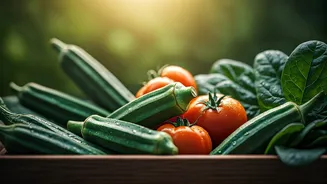
The gourd family is the undisputed king of the monsoon garden. Bottle gourd (Lauki), ridge gourd (Turai), and even bitter gourd (Karela) flourish in the rainy season. These climbers love the high humidity and regular watering that the monsoon provides
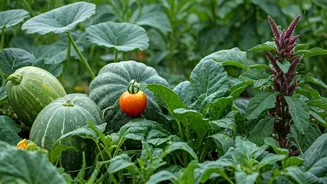
naturally. Their broad leaves capture ample sunlight on overcast days, and their fast-growing vines can quickly cover a trellis, providing a bounty of fresh vegetables. For best results, plant them on a raised bed or in large pots with good drainage to prevent waterlogging at the roots. A sturdy support structure is essential as the vines grow heavy with fruit.
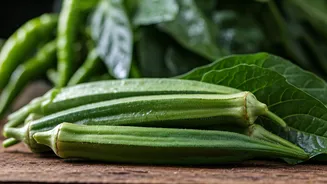
The Resilient Okra: Bhindi
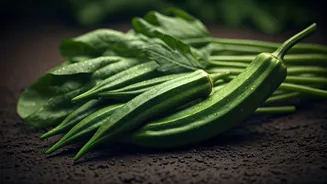
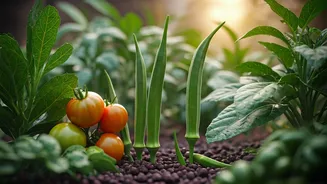
Okra, or Bhindi, is a remarkably resilient plant that performs exceptionally well during the monsoon. It's a warm-season crop that isn't troubled by the high humidity, which can often cause fungal issues in other plants. In fact, the moisture helps the pods stay tender. Bhindi plants are relatively low-maintenance and start producing pods within 45-50 days of sowing. A key tip for monsoon Bhindi is to ensure good air circulation around the plants to ward off pests. Regular harvesting every couple of days also encourages the plant to produce more flowers and, consequently, more vegetables for your kitchen.
Leafy Greens Power: Palak & Amaranth
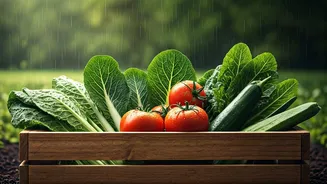
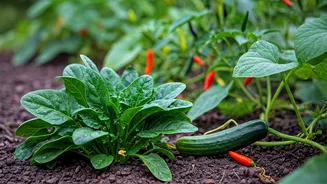
While many leafy greens struggle with heavy rain, certain varieties are perfectly suited for it. Spinach (Palak) and Amaranth (Chaulai Saag) are two excellent choices. They grow quickly, allowing you to harvest them before any potential rot or pest issues set in. Amaranth, in particular, is incredibly hardy and nutritious. It’s advisable to grow these in containers or raised beds where you can control the moisture levels more effectively. Protect them from direct, heavy downpours which can damage the delicate leaves. Harvest the outer leaves first to allow the plant to continue producing from the centre.
Quick-Growing Roots: Radish (Mooli)
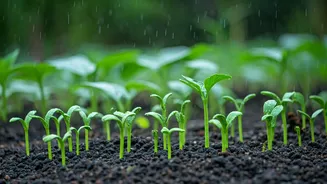
If you're looking for quick gratification, radishes are the answer. Many varieties of Mooli can go from seed to harvest in just 30-40 days. The monsoon provides the consistent moisture that radishes need to develop crisp, well-formed roots without becoming woody. Their leafy tops are also edible and make a nutritious addition to salads or dals. Since they grow underground, they are naturally protected from many of the leaf-eating pests that are active during this season. Sow seeds directly into loose, well-drained soil for the best results.
The Versatile Cucumber: Kheera
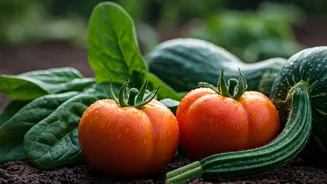
Like its gourd cousins, the cucumber (Kheera) is a creeper that adores the monsoon climate. The constant moisture and humidity help the plant produce juicy, flavourful fruit. Both the vining and bush varieties do well, but providing a trellis for vining types is recommended. This keeps the fruit off the wet ground, preventing rot and ensuring better air circulation around the leaves. Cucumbers grow fast, so you can expect to be enjoying fresh salads and raitas just a couple of months after planting the seeds. Be on the lookout for common pests like cucumber beetles and manage them early.
Essential Flavours: Green Chillies & Ginger
No Indian kitchen is complete without these two, and luckily, they are perfect monsoon crops. Green chilli plants love the warm, humid conditions and will produce a prolific amount of peppers. Ginger (Adrak) is a rhizome that thrives when the soil is consistently moist but not waterlogged. Planting ginger in pots or grow bags is an excellent way to manage drainage. The monsoon season provides the ideal growing period for the rhizome to swell and develop its characteristic pungent flavour. You can start harvesting 'young' ginger after a few months, or wait until the foliage dies back for a more mature, fibrous root.