
September 9: A Sprinkle of Shooting Stars
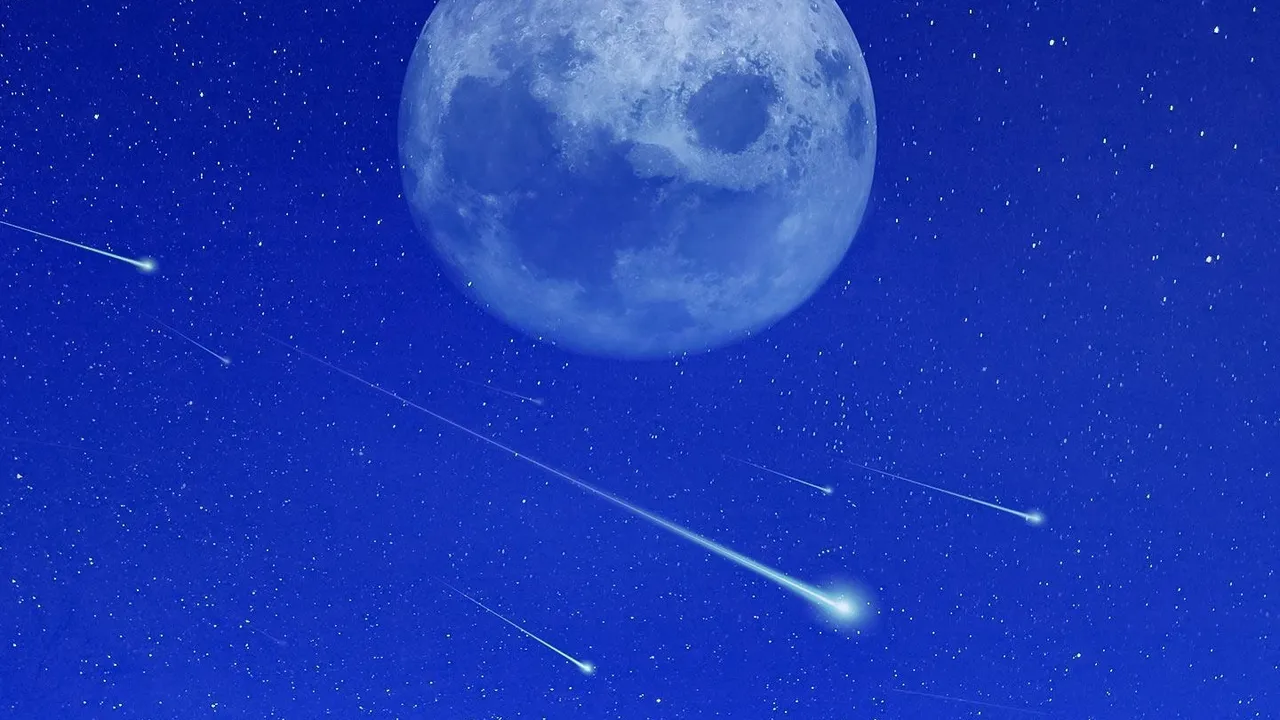
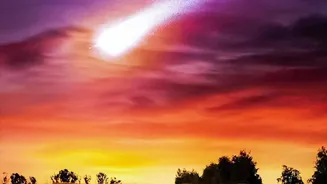
Look up for the peak of the Epsilon Perseid meteor shower on the night of September 9. While not as dramatic as its famous August counterpart, this minor shower can still produce a few bright moments. Emanating from the constellation Perseus, which rises
in the northeast after nightfall, dedicated observers might spot up to five meteors per hour. The good news is that the shower's peak occurs close to the New Moon, meaning moonlight won't interfere with the show. For the best experience, find a location away from city lights, lie back, and let your eyes adjust to the darkness for at least 30 minutes.
September 23: The Autumnal Equinox
On September 23, the Earth’s tilt will be perfectly sideways to the sun, marking the Autumnal Equinox for the Northern Hemisphere. At 5:35 AM IST, the sun will cross the celestial equator, moving southward. This event signals the official start of astronomical autumn. While not a visual spectacle you can 'watch' in the sky, the equinox is a moment of celestial balance, when day and night are of nearly equal length across the globe. It's a perfect time to reflect on the changing seasons and the grand mechanics of our solar system.
September 26: Neptune at its Brightest
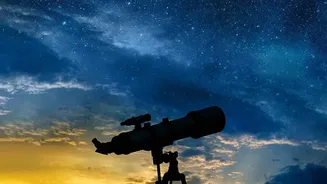
The distant ice giant Neptune reaches opposition on September 26, making it the best time of the year to try and spot this elusive planet. Opposition means that Earth is directly between the sun and Neptune, so the planet is at its closest to us and fully illuminated. Even at its brightest, however, Neptune will not be visible to the naked eye. You will need a good pair of binoculars or, better yet, a telescope to find its tiny, blue-green disc in the constellation Pisces. It will rise in the east around sunset and remain visible throughout the night.
September 26: The Full Harvest Moon
On the same night that Neptune is at its peak, the sky will be dominated by the glow of the Full Moon. This particular full moon is known as the Harvest Moon, a name given to the full moon closest to the Autumnal Equinox. Traditionally, its bright light, rising around sunset for several evenings in a row, helped farmers work late into the night to bring in their crops. For skywatchers, while its brilliance can wash out fainter stars, the sight of the large, golden Harvest Moon rising above the horizon is a classic and beautiful September spectacle. This full moon is also known as Bhadrapada Purnima in Hindu traditions.
An Evening with the Planets
September isn't just about specific dates; it’s a great month for planet-spotting in general. The majestic ringed planet, Saturn, will be a prominent feature in the evening sky. Having reached its own opposition in October, it will be bright and easily visible. Early risers will be rewarded with the sight of Mars and Jupiter in the pre-dawn eastern sky. Throughout the month, the Moon will also journey past several planets, creating beautiful pairings (conjunctions) that are perfect for casual viewing and photography.