






From 'Getting Thin' to 'Getting Strong'
For decades, the fitness narrative for Indian women was overwhelmingly focused on one goal: losing weight. Cardio was king, and the weights section was often seen as a male-only territory, shrouded in myths about women becoming 'bulky' or 'unfeminine'.
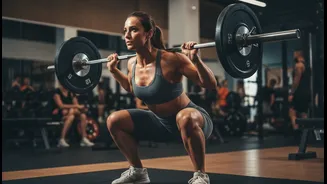
This mindset is undergoing a significant transformation. Today, the conversation in gyms and online has pivoted from “how much weight did you lose?” to “how much can you lift?”. This isn't just about aesthetics; it's a fundamental redefinition of what it means to be fit. The new mantra is about building strength, gaining energy, and achieving a sense of empowerment that comes from physical capability.
The Social Media Effect
A major catalyst for this trend is social media. Platforms like Instagram and YouTube have democratized fitness knowledge, making it more accessible than ever. A new generation of Indian female fitness influencers are leading the charge, sharing their strength training journeys and debunking myths in real-time. Influencers and online communities create a supportive ecosystem where women feel motivated to start and share their progress. Seeing relatable women lift heavy, build muscle, and celebrate their strength has normalized weightlifting and provided visible role models that were previously absent. This visual proof of concept is powerful, showing millions that strength is not just for athletes or men.
Debunking Decades-Old Myths
The fear of becoming 'bulky' has long deterred women from lifting weights. However, thanks to accessible information from trainers and influencers, this myth is finally being dismantled. Experts explain that due to hormonal differences, particularly lower testosterone levels, it is physiologically very difficult for women to build large, bulky muscles without extremely specific and intense training protocols. Instead, strength training typically leads to a leaner, more sculpted physique. Another debunked myth is that weightlifting is dangerous for women. In reality, when done with proper form, it strengthens bones and joints, improves balance, and can reduce the risk of osteoporosis—a condition women are more susceptible to as they age.
More Than Just Physical Health
The benefits that are drawing women to the weight room extend far beyond the physical. Strength training is being recognized for its profound impact on mental and long-term health. The act of lifting something heavy and seeing measurable progress week after week provides a unique sense of accomplishment and confidence that spills over into other areas of life. Trainers and health professionals increasingly highlight how building muscle mass improves metabolic health, helps manage hormonal conditions like PCOS, and is one of the best forms of insurance against age-related decline. For many, taking control of their physical strength feels like taking control of their life in a tangible way.
Challenges and a Changing Gym Culture
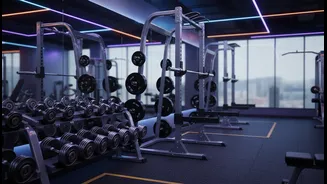
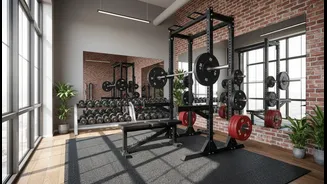
Despite the positive trend, challenges remain. Many women still feel intimidated or unsafe in mixed-gender gyms, facing unwanted stares and unsolicited advice. This has led to the rise of women-only lifting communities and boutique studios that provide a more comfortable environment. However, the culture in mainstream gyms is also slowly adapting. As more women confidently claim their space in the weights section, the atmosphere begins to shift. There's a growing recognition within the fitness industry that creating inclusive and welcoming spaces is not just a social responsibility but also a business imperative.