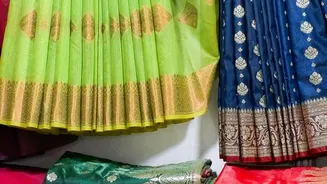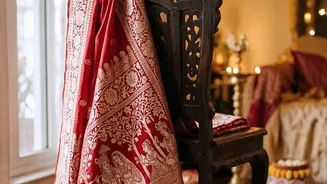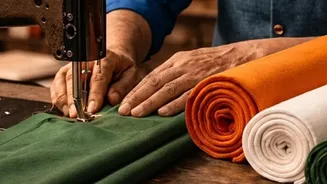



In India, a sari is never just a piece of cloth. It’s a repository of memories, a marker of milestones. But what happens when it frays and tears? Instead of being discarded, it begins a second, equally beautiful life.
A Tradition of Not Wasting
Long before 'upcycling' and 'sustainability'
became global buzzwords, they were a way of life in Indian households. The practice of repurposing old textiles is a centuries-old tradition rooted in both practicality and sentiment. A worn-out sari, softened with years of use, is too precious to be thrown away. It holds the memory of the person who wore it and the occasions it graced. This ingrained respect for resources has given rise to ingenious craft forms that turn what might be considered waste into works of art and comfort. Women, traditionally the keepers of this craft, would gather to give old textiles new life, a practice that not only saved resources but also strengthened community bonds.
The Art of the Kantha Quilt
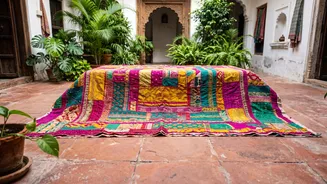
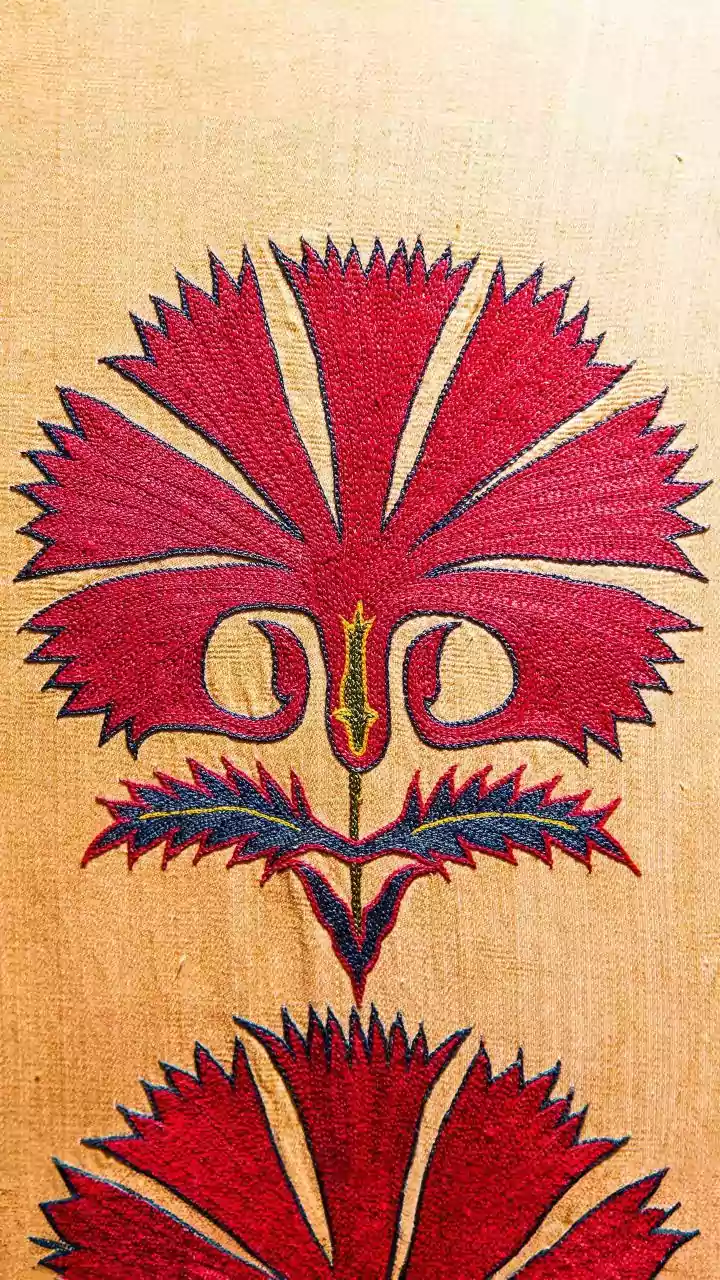
Perhaps the most famous reincarnation of the old sari is the Kantha quilt. Hailing from regions like West Bengal, Bihar, and Odisha, Kantha is a form of embroidery characterized by a simple running stitch. The process is a patient art. Several layers of old cotton saris are stacked together, with the most beautiful and least damaged ones used for the outer surfaces. Artisans, almost always women in rural areas, then meticulously hand-stitch these layers together with rows of tiny, straight stitches. This not only binds the layers but also creates a unique, slightly wrinkled texture. The patterns can range from simple straight lines to elaborate narratives depicting folklore, nature, and daily life, making each quilt a one-of-a-kind story.
Godhadi: The Quilt of Maharashtra
In Western India, particularly Maharashtra, a similar tradition thrives under the name of Godhadi. Like Kantha, a Godhadi is a multilayered quilt made from old saris and other used fabrics. The technique involves layering the cloth and stitching it together with a running stitch. Godhadis are deeply personal items, often made by grandmothers for new babies, using their own and their daughters' saris to wrap the newborn in familiar love and comfort. The process is a social event, with women gathering in the afternoons, especially during the non-farming summer months, to stitch and share stories. These quilts are made purely for function and love, and many families would refuse to sell them, as they represent hours of labour and familial care.
From Soft Scraps to Sturdy Rugs
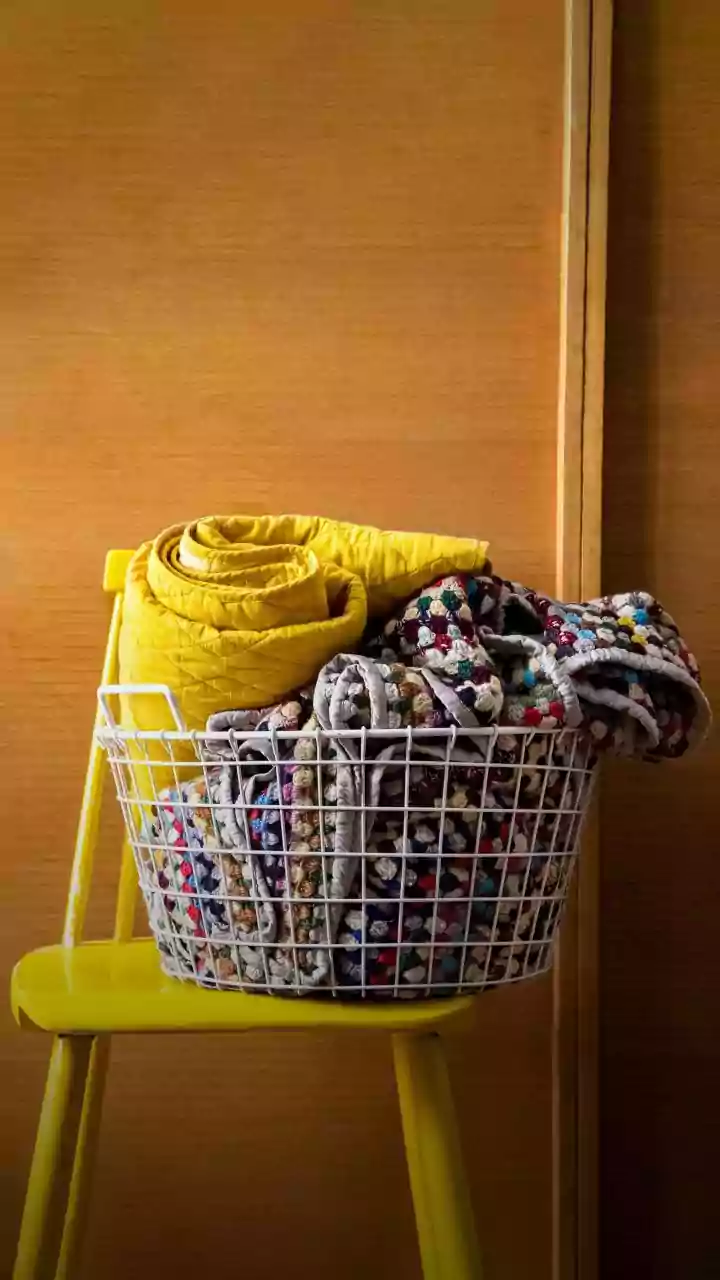
While softer saris find new life as quilts, other fabric scraps are transformed into durable, colourful rugs known as 'Chindi' rugs. 'Chindi' in Hindi means leftover scraps of cloth. This craft makes use of all kinds of textile waste, not just from saris but also from dresses and other garments. The fabric is cut into long strips, which are then braided or woven together on a handloom. The result is a vibrant, highly textured, and reversible rug that brings a burst of colour to any space. This process is a powerful example of reducing textile waste, giving a second life to materials that would otherwise end up in landfills.
Empowerment Woven In Every Thread
Beyond their beauty and sustainable nature, these textile crafts serve as a vital source of economic empowerment, particularly for women in rural and underserved communities. Social enterprises and artisan cooperatives have emerged to connect these craftswomen with a global market, ensuring they receive fair wages for their skills. By providing training and a platform to sell their products, these initiatives help women gain financial independence, self-confidence, and a voice in their family and community decisions. This economic upliftment ensures that the tradition not only survives but thrives, transforming a household practice into a sustainable livelihood and a powerful story of regeneration.