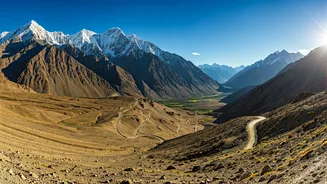






A Thirstier Mountain Landscape
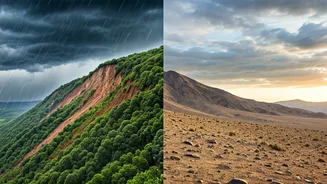
The Indian Himalayas, often called Asia's 'Water Tower', are grappling with a significant environmental challenge. Recent years have seen reduced snowfall, and many mountain towns popular with tourists now face recurring water shortages, especially during
the peak summer months. Reports indicate that a large number of natural springs, the primary water source for millions, have either dried up or become seasonal. This isn't just an ecological footnote; it's a reality that impacts residents and visitors in places like Shimla, Manali, and Leh, where tourism growth has dramatically increased water demand on already fragile infrastructure. This growing scarcity is reshaping the travel landscape, making resource management a top priority for local authorities.
Why Permits Matter More Than Ever
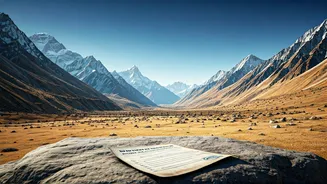
Travel permits in the Himalayas have always served a dual purpose: security in sensitive border areas and environmental protection. In the context of a drier climate, their role as a tool for ecological management is becoming even more critical. Authorities use permits to regulate the number of visitors to ecologically sensitive zones, national parks, and high-altitude treks. By controlling the volume of tourist traffic, they can mitigate pressure on local resources, including water. While there may not be new 'drought permits', the existing framework allows officials to enforce visitor caps more strictly, especially in areas where resources are visibly strained. For travellers, this means that assuming a permit is a mere formality could lead to disappointment. Early and correct applications are the best way to ensure your plans are not disrupted.
Navigating the Permit Maze: State by State
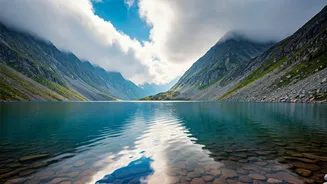
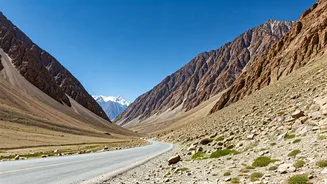
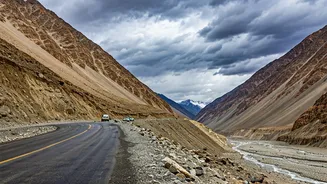
The permit system is not uniform across the Himalayas; it varies significantly by state and destination. In Uttarakhand, popular treks like the Gaumukh-Tapovan and routes within the Nanda Devi Sanctuary require permits from the forest department or Sub-District Magistrate (SDM) offices, a process that can take several days. For some high-altitude treks, a medical certificate is also mandatory. In Himachal Pradesh, vehicles travelling to Rohtang Pass from Manali need a specific permit, available online and subject to a daily quota to limit pollution. For travel into border regions like Spiti, foreign nationals need a Protected Area Permit (PAP). Similarly, in Ladakh, both Indian citizens (Inner Line Permit) and foreign nationals (Protected Area Permit) need clearance to visit popular destinations like Nubra Valley, Pangong Lake, and Tso Moriri.
Your Pre-Trip Permit Checklist
To avoid last-minute hurdles, integrate these steps into your planning: 1. Research Your Specific Route: Don't rely on general advice. Identify the exact permits needed for your specific trek or circuit. Official district administration and state tourism websites are the best places to start. 2. Gather Your Documents: You will almost certainly need a government-issued photo ID (Aadhaar, passport) and several passport-sized photographs. Keep both physical and digital copies. 3. Apply Well in Advance: Some permits can be obtained online, while others require an application at a district headquarters. The process can take anywhere from a day to a week, so do not leave it for the day you plan to start your trek. 4. Factor in Buffer Days: Especially if applying in person, plan for at least one or two buffer days in your itinerary to handle any administrative delays, particularly during peak season. 5. Consider a Registered Agency: For complex itineraries or restricted areas, using a registered travel agency can be invaluable. They are experienced in navigating the bureaucracy and can handle the permit process on your behalf.
Beyond the Permit: Travel with Awareness
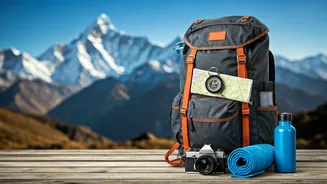
Securing a permit is just the first step. Travelling responsibly in a water-stressed region is essential. Be mindful of your water consumption in hotels and guesthouses. Carry a reusable water bottle and purification tablets to reduce reliance on single-use plastics, which add to the region's waste management problems. Adhere to green tourism guidelines, especially while trekking and camping, by ensuring you leave no trace behind. The increasing tourist footfall is already putting immense pressure on these fragile ecosystems. A conscious traveller can help preserve the beauty of the Himalayas for years to come by making small but meaningful choices.