


What is the Hidden Lotus Pose?
Baddha Padmasana, also known as the Bound or Hidden Lotus Pose, is an advanced seated yoga posture. The name comes from Sanskrit, where 'Baddha' means 'bound' and 'Padma' means 'lotus'. The pose begins in Padmasana (Lotus Pose), with both feet placed
high on the opposite thighs. From there, the practitioner reaches both arms behind their back to grasp the toes of the opposite feet, creating a 'bound' or locked shape. This deep posture is known for fostering physical and mental stability and is often used to prepare the body for meditation.
The Benefits of the Bind
The advantages of mastering Baddha Padmasana are both physical and mental. Physically, it provides a deep stretch for the hips, knees, ankles, shoulders, and wrists. This comprehensive stretch enhances overall flexibility and can help improve posture by opening the chest and encouraging an upright spine. Many practitioners find it improves digestion and can help manage pain in the shoulders and back. Mentally, the stability of the pose is believed to calm the nervous system, reduce stress, and improve concentration, making it a powerful tool for mindfulness and inner peace.
Why This Pose Is So Advanced
The complexity of Baddha Padmasana lies in the immense flexibility it requires from multiple joints simultaneously. To even begin, one must be comfortable in the full Lotus Pose, which demands significant external rotation in the hips. Forcing the knees into this position without adequate hip mobility is a common cause of injury. The next layer of difficulty is the 'bind', where the arms wrap behind the back. This action requires deep internal rotation and extension in the shoulders, a range of motion that many people lack due to modern sedentary lifestyles. Combining these two demanding elements—deep hip opening and a challenging shoulder bind—makes the pose inaccessible without dedicated and patient preparation.
A Word of Caution: Risks and When to Avoid
This is not a pose for beginners or to be forced. Attempting Baddha Padmasana without proper preparation can lead to serious injury. Individuals with any existing knee, ankle, hip, or shoulder injuries should avoid this pose entirely. The deep flexion and rotation can put significant stress on the knee joints, particularly the meniscus. It is also contraindicated for those with sciatica, as the deep hip rotation can potentially aggravate the nerve. As Shilpa Shetty herself cautions, it is crucial to avoid the pose if there is any pain. Pregnant women should also refrain from this posture due to the abdominal pressure.
Building a Safe Foundation
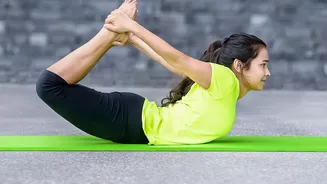
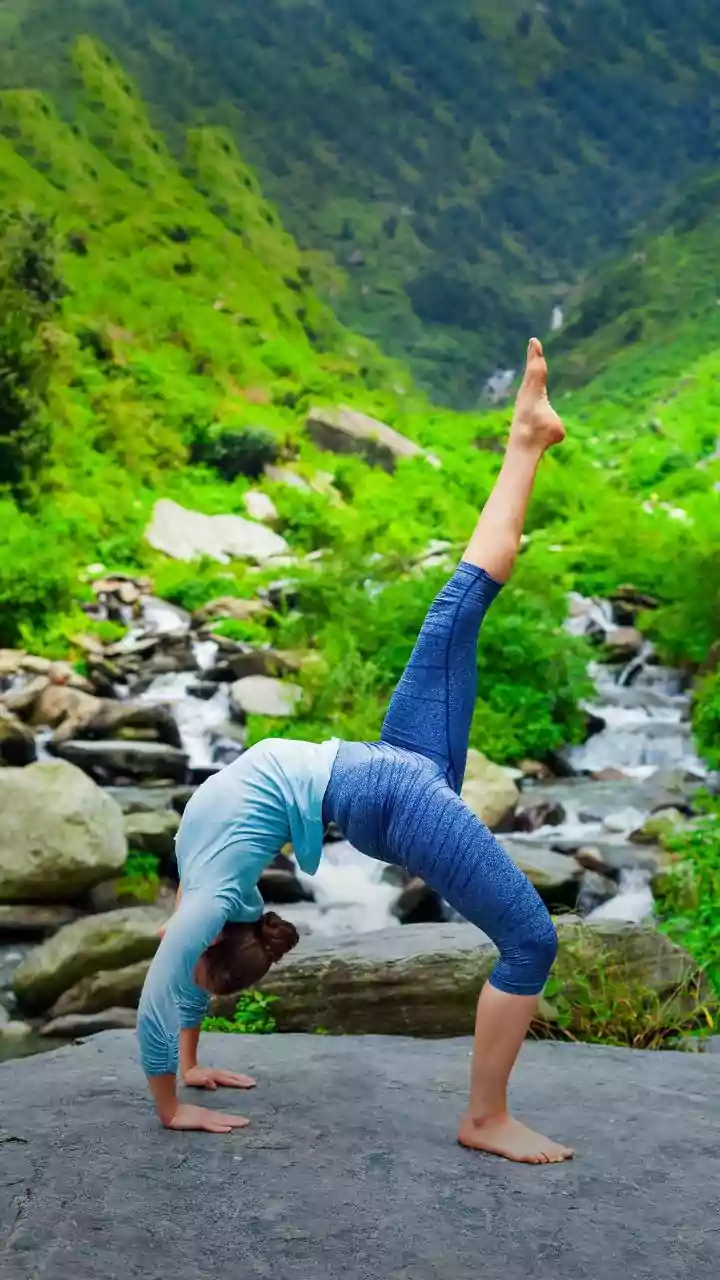
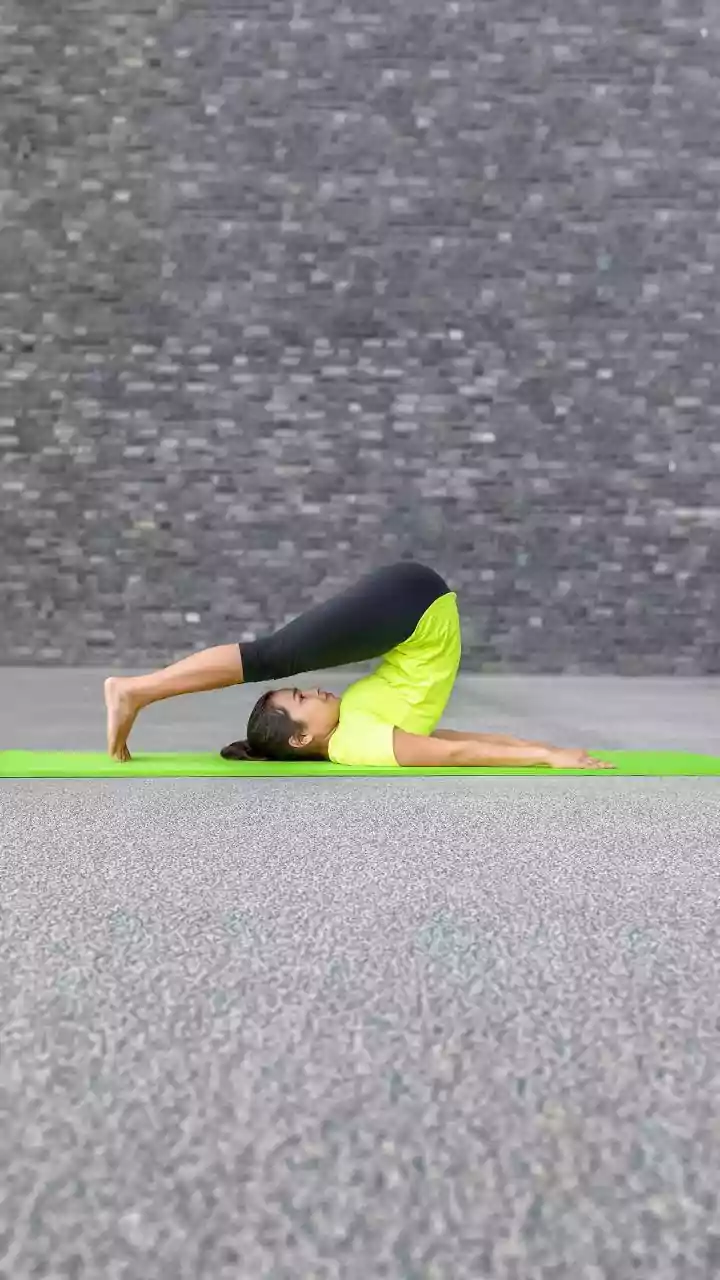
The journey to Baddha Padmasana is a marathon, not a sprint, built upon a foundation of preparatory poses. To improve hip flexibility, regularly practice poses like Baddha Konasana (Butterfly Pose), Lizard Pose, and various Pigeon Pose preparations. For the shoulders, focus on movements that encourage internal rotation and extension, such as holding a strap behind your back (Shoulder Flossing) or practicing the arm position from Gomukhasana (Cow Face Pose). Starting with Ardha Padmasana (Half Lotus) is a crucial stepping stone to assess your body's readiness for the full expression. Using a strap to assist with the bind can also be a helpful modification in the early stages.