




Gondhoraj Lebu: The Fragrant King of Limes
This isn't your average nimbu. Native to Bengal, the Gondhoraj Lebu, or 'king of fragrance lime', is prized not just for its juice but for its intensely aromatic zest and leaves. It has a unique, floral-citrus perfume that can elevate the simplest of dishes.
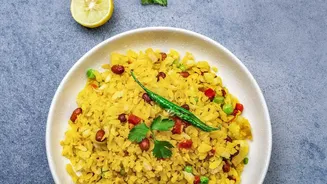
A little zest grated over a finished dal, into a chicken marinade, or even in a simple pulao adds a layer of freshness that is both sophisticated and comforting. Unlike regular lemons, its magic lies in its aroma, so use the zest generously. Try adding a few drops of its juice and a sprinkle of zest to your everyday lentil soup or a simple fish curry just before serving to transform the flavour profile.
Black Cardamom: The Smoky Soul of Savoury Dishes
Often overlooked in favour of its smaller, greener cousin, black cardamom (badi elaichi) is a game-changer for savoury cooking. While green cardamom is floral and sweet, black cardamom is intensely smoky, resinous, and earthy, thanks to being dried over an open flame. This is the secret ingredient that often gives restaurant-style biryanis and rich curries their deep, complex character. Lightly crush one or two pods and add them to the hot oil at the start of cooking your next batch of rajma, chana masala, or any meat curry. The pods will slowly infuse the entire dish with a warm, smoky depth. Remember to remove them before serving, as they are not meant to be eaten whole.
Kokum: The Tangy Taste of the Coast
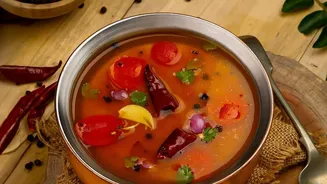
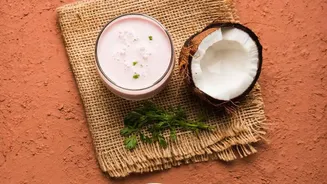
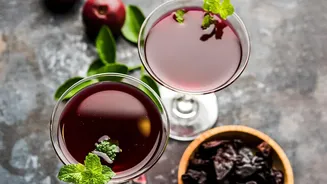
If you're looking for a souring agent beyond tamarind or lemon, meet kokum. This deep purple fruit from the Western Ghats provides a unique tangy flavour that is less sharp than tamarind and has a slightly sweet, floral finish. Traditionally used in coastal cuisines of Maharashtra, Goa, and Karnataka, the dried rinds (aamsul) are soaked in water and the extract is used to balance rich flavours. It's a classic ingredient in fish curries and dals, where it adds a refreshing tartness that cuts through richness. You can also make Sol Kadhi, a cooling digestive drink made with kokum and coconut milk, perfect for hot weather. Simply dropping a few dried pieces into your simmering lentils can provide a pleasant and surprising sour note.
Kalonji: The Pungent Crunch
Those tiny black seeds you often see dotting the surface of naan bread are Kalonji, also known as nigella seeds. With a flavour profile that is slightly bitter, peppery, and pungent, they add both taste and texture. Kalonji is a key component in Bengali panch phoron, but its use can be much wider. A sprinkle of these seeds in the tempering (tadka) for dals, potato sabzis, or even brinjal dishes adds a wonderful complexity. They are also a classic ingredient in pickles, providing a sharp bite that balances the other spices. For a simple upgrade, try dry roasting a teaspoon of kalonji and sprinkling it over a finished vegetable stir-fry or flatbread for an extra layer of crunch and aroma.
Nannari: The Cooling Root
Known as Indian Sarsaparilla, Nannari root has a distinctive flavour reminiscent of vanilla, licorice, and a hint of cinnamon. While most famous for its role in the popular cooling sherbet, its culinary uses are expanding. The aromatic root, available dried or as a syrup, can be used to infuse a subtle, sweet-spicy note into a variety of dishes. Think beyond beverages; a small amount of Nannari syrup can be whisked into a yoghurt-based marinade for paneer or chicken, adding a unique fragrance. Its earthy sweetness can also balance the flavours in a sweet and sour pumpkin curry or be used to create a fragrant rice pudding (kheer) with a twist.