







The Reality of Urban India
India's cities are expanding at an unprecedented rate, putting immense strain on urban infrastructure. For visitors and locals alike, this translates into a daily battle with traffic congestion, noise, and significant air pollution. Major hubs like Delhi,
Mumbai, and Bengaluru are notorious for gridlocked streets, where travel times can be frustratingly long. This isn't just an inconvenience; it has a real environmental cost. Vehicular emissions are a primary driver of poor air quality in these urban centres, contributing significantly to the smog that can obscure cityscapes and pose health risks. Faced with this reality, many travellers are rethinking how they move, seeking ways to explore that don't add to the problem.
The Rise of the Mindful Traveller
The concept of a 'conscious tourist' has evolved. It's no longer just about offsetting carbon footprints or staying in an eco-lodge. Today's mindful traveller in India is driven by a desire for authenticity and a positive local impact. A significant number of travellers report that sustainability influences their decisions, with many expressing a desire to leave a place better than they found it. This mindset extends directly to transportation. Instead of defaulting to private cabs, they are actively choosing alternatives that are lighter on the environment and richer in local flavour, turning a simple journey from A to B into a meaningful part of their travel story.
Choosing Pedals, Batteries, and Feet
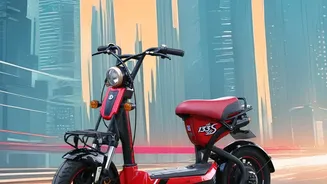
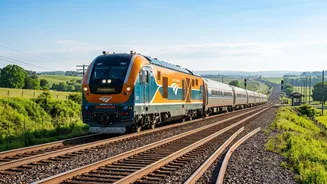
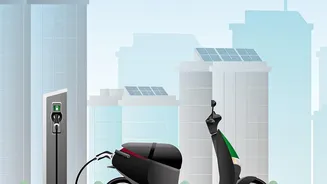
The good news is that India's cities offer a growing array of green transport options. The humble cycle rickshaw, a fixture in places like Old Delhi and Varanasi, offers a human-powered, eco-friendly way to navigate narrow, bustling lanes that are inaccessible to cars. A quieter, modern alternative is the e-rickshaw. These battery-operated vehicles have become ubiquitous, offering a clean, zero-emission solution for short-distance travel and crucial last-mile connectivity from metro stations. For longer cross-city journeys, expansive and efficient metro systems in cities like Delhi, Kolkata, and Bangalore provide a fast, clean, and air-conditioned respite from the streets below. And, of course, there is the simple power of walking, with guided city walks offering the most intimate way to discover hidden alleys, street food, and local life.
More Than Just a Green Choice
The decision to use eco-friendly transport goes beyond environmental benefits; it fundamentally enhances the travel experience. Riding in an open-air rickshaw provides an unfiltered, sensory immersion into the city's sounds and smells, something you miss from inside an air-conditioned car. It creates opportunities for spontaneous interactions with locals and a front-row seat to the theatre of daily life. Opting for a cycle rickshaw or an e-rickshaw also directly supports the local economy, providing a livelihood for drivers. These modes of transport are not just a way to get around; they are a bridge to a more authentic and connected travel experience, allowing tourists to navigate cities on a more human scale.
A Ripple Effect of Positive Change
While an individual choice to take the metro or hire an e-rickshaw may seem small, the collective impact is significant. By reducing demand for private, fossil-fuel-powered vehicles, tourists contribute to lower carbon emissions, reduced noise pollution, and less traffic congestion. This helps preserve the very heritage and atmosphere they have come to experience. With air pollution cited as a growing deterrent for tourism in some popular destinations, these choices help ensure the long-term sustainability of India's vibrant travel industry. The trend encourages a virtuous cycle, where increased demand for green transport can lead to better infrastructure and policies, making sustainable choices even easier for future visitors.