







The Coast's Monsoon Dilemma
For decades, India's stunning coastline, particularly in states like Goa and Kerala, has been the default holiday choice. But during the heavy monsoon weeks from June to September, the picture is starkly different. The very attractions that pull in crowds
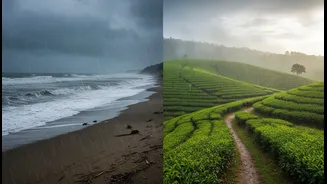
during winter become liabilities. The seas turn rough and dangerous, making swimming and water sports impossible. Beach shacks, the heart of coastal social life, are often dismantled and packed away to weather the storms. Persistent rain and strong winds can lead to widespread disruption, including flooded roads and travel delays, making sightseeing a challenge. While some resorts offer steep off-season discounts, the core beach experience is fundamentally unavailable, leading to a predictable drop in tourist footfall. Many potential visitors now see the coast during this period as a gamble against the elements.
The Green Magnetism of the Hinterland
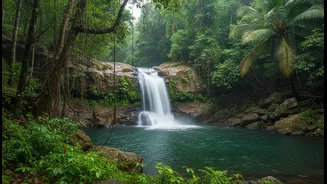
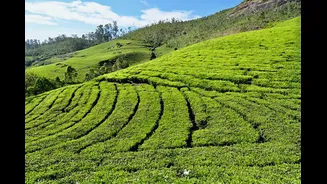
In stark contrast, the monsoon is the peak season for inland destinations, especially the plantation regions of the Western Ghats. Places like Coorg, Wayanad, Munnar, and Thekkady transform into lush, emerald paradises. The rain washes the landscape clean, filling the air with the scent of wet earth, blooming flowers, and freshly brewed coffee or tea. Waterfalls that are mere trickles in the dry season become thunderous spectacles, and the hills are often wrapped in a dramatic, romantic mist. This sensory explosion is precisely what a growing number of travellers are seeking. Rather than an obstacle to be endured, the rain itself becomes the main attraction, creating an atmosphere of peace and rejuvenation that a sunny beach cannot replicate.
A Shift in Traveller Priorities
The trend reflects a deeper change in what Indian travellers want from a vacation. The focus is shifting from conventional sightseeing and parties to experience-led travel. There is a rising demand for wellness, tranquillity, and a genuine connection with nature. Eco-plantations and boutique homestays offer this in abundance. They provide a slower, more immersive holiday where the goal is to relax and recharge. Activities are geared towards this ethos: think guided plantation walks, bird watching, learning about spice cultivation, indulging in Ayurvedic treatments (which are considered more effective in the humid monsoon climate), or simply curling up with a book and a hot beverage. This move away from packed itineraries towards mindful experiences makes the serene, green environment of a plantation stay the ideal choice.
The Rise of the Monsoon Package
Tourism operators and hoteliers in these inland regions have cleverly marketed the monsoon not as an off-season, but as a unique product. They curate special 'monsoon packages' that highlight the beauty of the rains. These often include experiences like visits to spectacular waterfalls, treks through rain-washed forests, and cozy bonfire evenings. Unlike their coastal counterparts who are forced to discount heavily, inland properties can position the monsoon as a premium experience worth travelling for. Improved road connectivity to these once-remote areas has also played a crucial role, making them more accessible for weekend trips and short breaks from major cities like Bengaluru, Chennai, and Mumbai.