




A Foundation Built on Collision
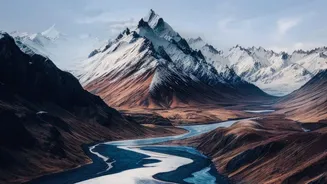
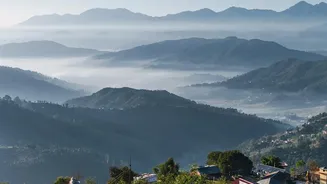
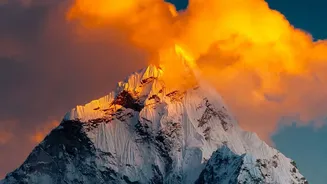
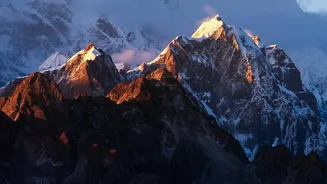
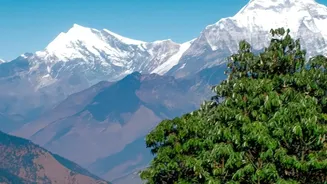
Nepal's story begins with one of the most powerful forces on the planet: the collision of tectonic plates. The country sits directly where the Indian tectonic plate is continuously pushing northward under the massive Eurasian plate. This slow-motion crash,
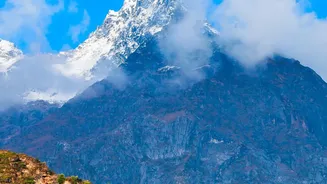
happening at a rate of about five centimetres per year, is what created the majestic Himalayas. But this mountain-building process also generates immense geological stress. This strain builds up over time and is periodically released in the form of earthquakes. The entire region is a seismically active belt, making powerful tremors an inevitable and permanent hazard. Earthquakes here are not isolated events; they often trigger a deadly chain reaction of other disasters, including landslides and avalanches, destabilizing the already fragile mountain terrain long after the shaking stops.
The Double-Edged Sword of the Monsoon
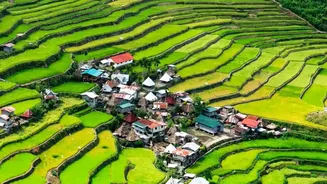
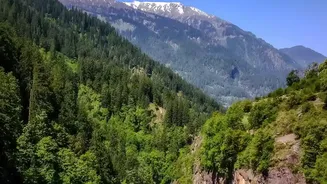
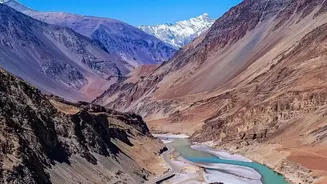
From roughly June to September, the South Asian monsoon drenches Nepal, delivering 80% of its total annual rainfall. This seasonal downpour is the lifeblood for the country's agriculture-based economy, turning hillsides a vibrant green and ensuring a bountiful rice harvest. However, this same life-giving rain is also a primary trigger for disaster. The country's topography features an extreme drop in elevation, from the world's highest peaks to flat river plains over a short distance. When intense monsoon rains fall on these steep slopes, the ground becomes saturated, losing the friction that holds soil and rock in place. This combination of steep terrain and heavy rain is what leads to frequent and deadly landslides and flash floods.
Where Geology and Weather Collide
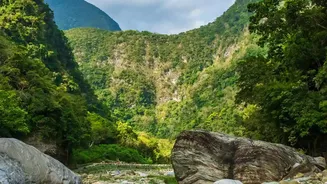
The true danger in Nepal lies at the intersection of its unstable geology and its intense climate. The Himalayas are geologically young and fragile, with steep slopes and loose soil. An earthquake can weaken these slopes, creating fissures and leaving them vulnerable. When the heavy monsoon rains arrive, these pre-weakened hillsides can collapse with little warning, resulting in catastrophic landslides that can block rivers. These natural dams, formed by tonnes of rock and debris, are inherently unstable. Eventually, the pressure from the accumulating water causes them to burst, releasing a sudden, powerful wall of water downstream that destroys everything in its path. This cascading effect—an earthquake or just heavy rain triggering a landslide, which then causes a flood—is a tragically common pattern.
A Warming Threat from Above
Climate change is adding another dangerous layer to Nepal's vulnerability. As global temperatures rise, the Himalayan glaciers are melting at an accelerated rate. This meltwater often collects to form vast lakes, held back only by unstable dams of loose rock and soil known as moraines. These are known as Glacial Lake Outburst Floods, or GLOFs. An earthquake, a large avalanche, or simply the mounting pressure of the water can cause these moraine dams to fail, unleashing an inland tsunami. There are dozens of potentially dangerous glacial lakes in Nepal, and as glaciers continue to shrink, the risk of GLOFs is projected to increase, threatening the thousands of people living in the valleys below.
The Human Element
While natural forces create the underlying risk, human activity often turns hazards into full-blown disasters. Unplanned development, including the rapid construction of roads cutting into unstable hillsides, can significantly increase landslide risk. Similarly, deforestation removes the tree roots that help bind soil together. Many communities, often out of necessity, are located on high-risk land like steep slopes or river floodplains. When combined with a high proportion of buildings constructed without adequate earthquake-resistant engineering, the population's exposure to these natural hazards becomes dangerously high. This combination of factors means that even moderate natural events can have devastating consequences for lives and livelihoods.