

The Monsoon Menace for Potted Plants
While rain is essential for plant life, the intensity of the Indian monsoon presents unique challenges for container gardens. Heavy downpours can lead to a host of problems that can quickly turn a thriving balcony into a botanical emergency room. The
most immediate threat is overwatering. When pots become saturated, water fills the air pockets in the soil, suffocating the roots and leading to root rot, a condition often identified by yellowing leaves and mushy stems. Furthermore, the constant barrage of raindrops can compact the soil surface, preventing proper aeration and drainage. It can also physically wash away the nutrient-rich topsoil, leaving your plants starved for essential minerals. This combination of waterlogging and nutrient loss weakens plants, making them more susceptible to fungal diseases like powdery mildew, which thrive in the perpetually damp and humid conditions.
Understanding Waterproof Covers
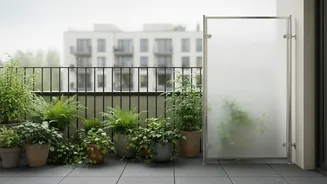
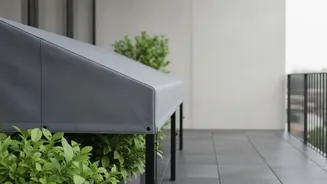
The headline solution—modular waterproofing covers—refers to any adaptable system designed to shield your plants from excessive rain. This isn't necessarily a single product but a strategic approach. The idea is to create a temporary, removable barrier that deflects the heaviest rainfall while still allowing for air circulation and light. These can range from commercial products like clear PVC tarpaulins or transparent vinyl sheets with grommets for easy tying, to DIY solutions crafted from everyday materials. The 'modular' aspect implies flexibility; you can cover a single sensitive plant, a row of pots, or an entire section of your balcony as needed. The key is to protect the soil from becoming a waterlogged mess, which is the primary cause of monsoon-related plant distress.
Choosing and Creating Your Cover
When selecting or building a cover, transparency is vital. A clear material ensures your plants continue to receive sunlight, which is often scarce on cloudy monsoon days. Look for lightweight materials that won’t crush delicate foliage. Simple DIY options include stretching a sheet of plastic over bamboo stakes to create a small tent or lean-to structure. You can also fashion individual covers from large plastic bottles or trays for smaller pots. For a more robust setup, consider building a simple frame from PVC pipes or wooden rods, over which you can drape a waterproof sheet. Whatever you choose, ensure the cover is secure enough to withstand monsoon winds and that it doesn’t trap humidity, which can worsen fungal issues. Good ventilation is non-negotiable.
Drainage is Your First Line of Defence
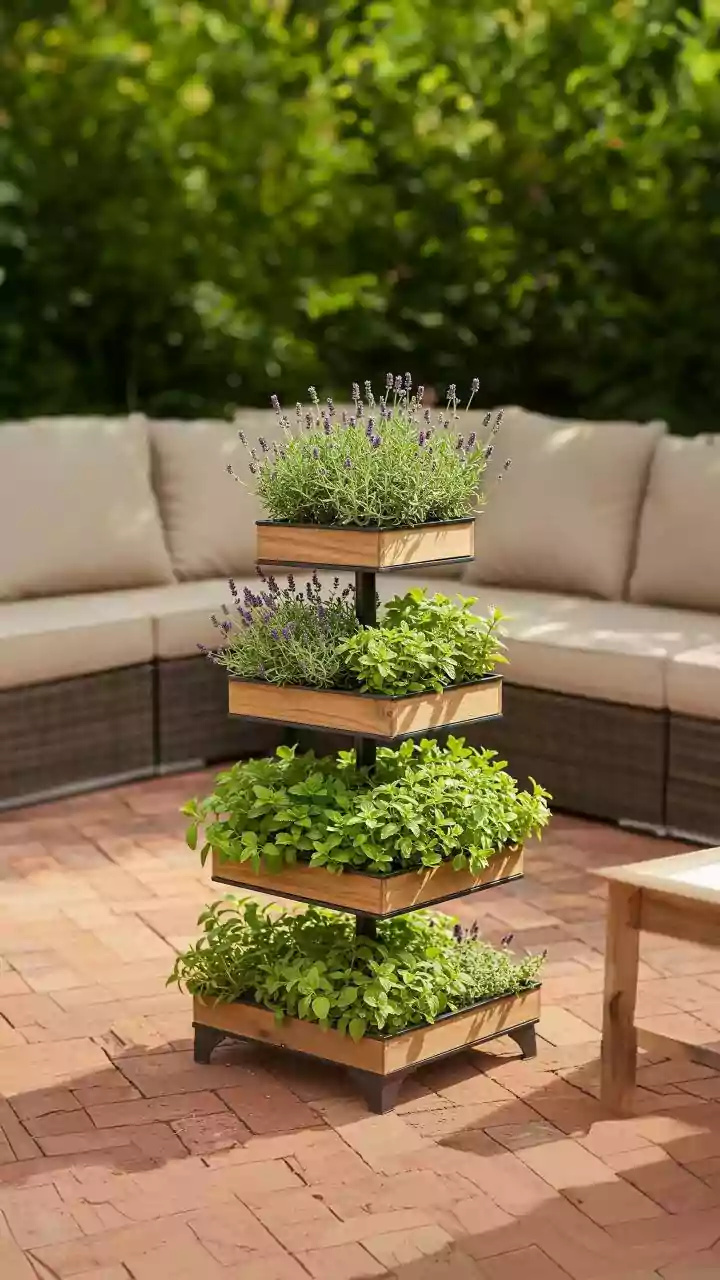
Even the best cover is no substitute for excellent drainage. Before the monsoon arrives, it is critical to check that every pot has unobstructed drainage holes. Over time, these can get clogged with soil or roots. If water isn't escaping freely, your plants are at high risk. Elevating your pots is another simple but highly effective tactic. Placing them on pot stands, bricks, or even simple wooden blocks creates a gap between the pot and the floor, ensuring that water can drain away completely and doesn't pool at the base. This small step prevents the dreaded 'wet feet' that leads to root rot. During heavy spells, make it a habit to empty any water that collects in the saucers beneath your pots.
Essential Monsoon Plant Care
Beyond covers and drainage, a few adjustments to your routine are necessary. First, change your watering schedule. Don't water your plants just because it's on your calendar; check the soil first. If the top inch or two is still damp, hold off. Heavy rains can also leach nutrients from the soil, so a light feed with organic compost or a balanced liquid fertilizer every few weeks can help replenish what's lost. Pruning is also important. Trim away any yellowing leaves or overcrowded branches to improve air circulation around your plants, which helps leaves dry faster and discourages fungal growth. Finally, keep an eye out for pests like snails and slugs, which are more active during the rainy season. A well-prepared garden is a resilient one.