








Humidity's Role in Excess Oil
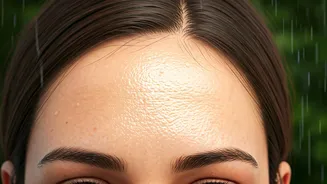
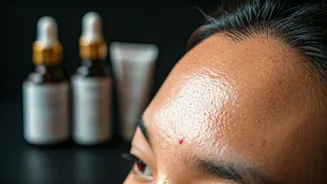
The most immediate change you'll notice during monsoon is the high humidity. This increased moisture in the air sends a confusing signal to your skin. It can trigger your sebaceous glands to go into overdrive, producing more sebum, which is your skin's
natural oil. While sebum is essential for keeping skin moisturised, an excess of it leads to that familiar greasy sheen, making your face feel heavy and unclean. This overproduction isn't just a cosmetic issue; it's the first step towards a cascade of other skin problems, as this excess oil can easily mix with sweat and dirt, clogging your pores.
A Breeding Ground for Bacteria and Fungi
Warm, damp environments are the perfect playground for microbes. The monsoon season essentially turns your skin into an ideal breeding ground for bacteria and fungi. This significantly increases the risk of breakouts and infections. Conditions like acne, folliculitis (inflamed hair follicles), and impetigo become more common as bacteria thrive in the moist conditions created by sweat and humidity. Fungal infections such as ringworm and athlete's foot also see a spike during this time, as these organisms flourish in the dampness that lingers in skin folds and on your feet. Proper cleansing becomes a crucial defensive measure to remove these microorganisms before they can cause trouble.
The Challenge of Environmental Pollutants
Rain might look clean, but especially in urban areas, it can carry environmental pollutants and dirt from the atmosphere. When this rainwater comes into contact with your skin, it deposits these impurities, which then get trapped by the excess oil and sweat. This grimy film doesn't just leave your skin looking dull; it clogs pores and can lead to blackheads, whiteheads, and acne. A thorough cleanse at the end of the day is essential to wash away not just makeup and oil, but also these unseen pollutants that accumulate on your skin's surface.
The Right Way to Cleanse for Monsoon
Given the challenges, you might be tempted to wash your face more often, but over-washing can be counterproductive. Stripping your skin of its natural oils can cause it to produce even more sebum to compensate. The key is to cleanse effectively, not aggressively. Dermatologists recommend washing your face twice a day with a gentle, pH-balanced, and soap-free cleanser. Look for non-comedogenic products, which means they won't clog your pores. For those who wear makeup or water-resistant sunscreen, consider double cleansing in the evening. This involves using an oil-based cleanser first to break down products, followed by a water-based cleanser to wash everything away.
Don't Forget to Exfoliate and Moisturise
While cleansing is the hero of your monsoon skincare routine, it works best as part of a team. Gentle exfoliation once or twice a week is crucial to help remove the build-up of dead skin cells that can clog pores. Opt for a mild chemical exfoliant over a harsh physical scrub. And contrary to what you might think, you should not skip moisturiser. Even oily skin needs hydration. In humid weather, choose a lightweight, gel-based, or non-comedogenic moisturiser that will hydrate your skin without feeling heavy or greasy. This helps maintain your skin's protective barrier, keeping it balanced and healthy.