


The Brain on an Endless Scroll
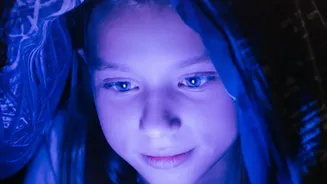
Our brains are wired for reward, and short-video platforms like Instagram Reels and TikTok are masters of delivering it. Each swipe serves up a new, unpredictable, and often emotionally charged clip, triggering a small release of dopamine, the brain's
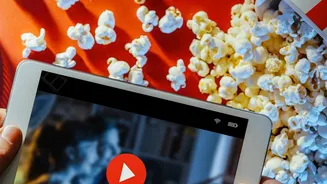
feel-good chemical. This creates a powerful feedback loop: the brief burst of pleasure makes you want to swipe again, and again. Over time, the brain adapts to this constant, rapid-fire stimulation. It starts to crave novelty and quick payoffs, a state some have dubbed "popcorn brain" or "TikTok brain." This conditioning makes slower, more deliberate activities—like reading a book or, crucially, watching a two-hour film—feel less engaging and even boring. It's not that our capacity for attention has vanished, but that our brains are being trained to operate in a state of fragmented attention.
A Shifting Appetite for Storytelling
The most noticeable casualty of this cognitive shift is our patience for long-form narratives. The slow-burn character development and intricate plotting that define classic cinema now compete with a desire for instant gratification. Studies show that heavy users of short-form video platforms often score lower in tasks requiring sustained focus and working memory. This translates directly to the movie-watching experience. A recent survey revealed that the ideal movie length for audiences is now just 88 minutes, with Gen Z preferring an even shorter 82-minute runtime. The struggle is real; many report finding it an 'achievement' just to get through a movie at home without the distraction of a second screen. This isn't just about a shorter attention span, but a decreased tolerance for delayed gratification in storytelling.
How Cinema is Responding
The film industry is not oblivious to this trend. While epic three-hour blockbusters like 'Oppenheimer' still find massive success, they are becoming event-level exceptions rather than the norm. There's a noticeable counter-movement toward more digestible content. Some filmmakers and TV producers are now creating content designed for "second-screen" viewing, with more repetitive dialogue and explicit plot points so that viewers can follow along even if they're dividing their attention with their phones. Marketing has also fundamentally changed. TikTok has become a major promotional tool, with studios using viral clips and trends to drive ticket sales. Entire movie scenes are now posted in short, compelling chunks, which serves a dual purpose: it markets the film and satisfies the craving for bite-sized entertainment.
Is This a Paradox?
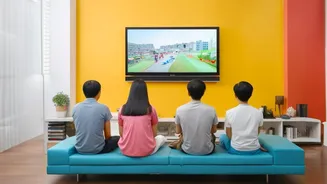
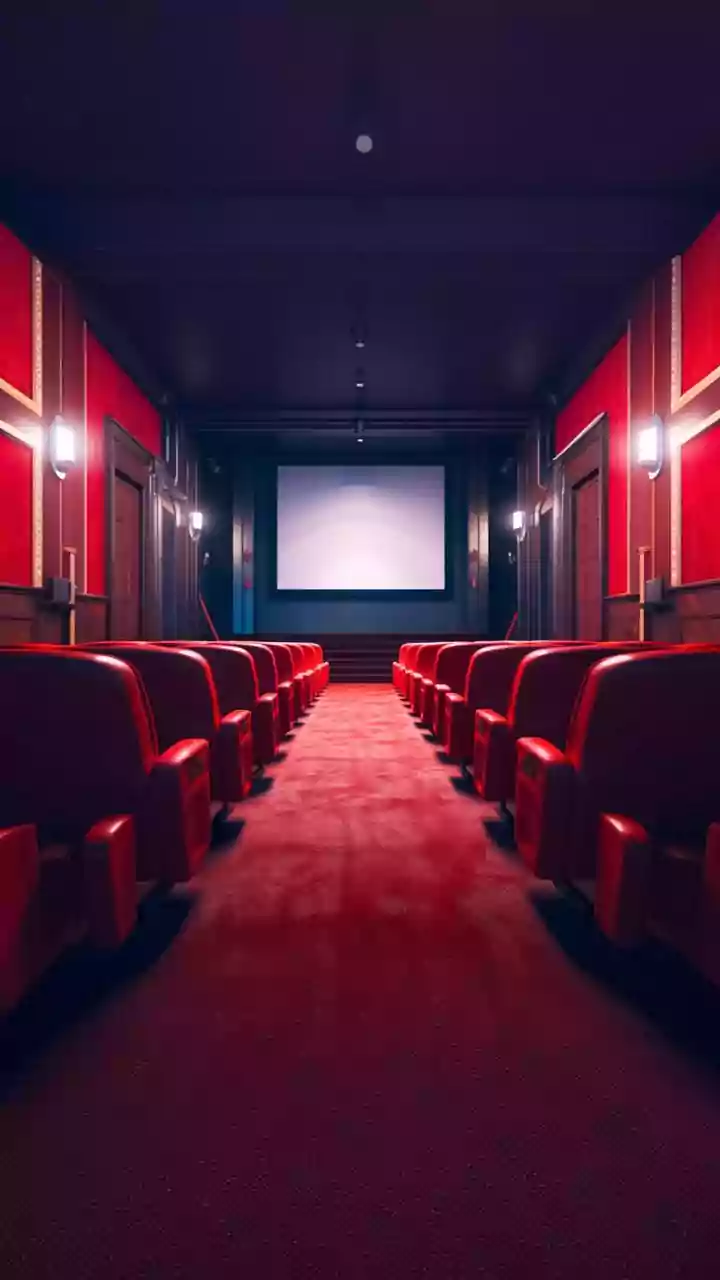
Interestingly, the same generation that struggles to sit through a movie can also binge an entire season of a TV show in one weekend. This suggests the issue isn't a total collapse of focus, but a change in how we choose to apply it. Attention has become more selective. Audiences are willing to invest hours in a story, but the narrative has to earn that commitment from the very beginning. The rise of multi-screening—using a phone while watching TV—is now the default for a majority of people. This fractures the viewing experience, making a 45-minute episode feel much longer. The controlled, immersive environment of a cinema is one of the last places where this kind of deep focus is enforced, which may explain why long films can still succeed on the big screen.
Can We Reclaim Deep Focus?
The rewiring of our attention by short-form video isn't necessarily permanent. Experts suggest that a conscious break, or a "dopamine fast," can help reset the brain's reward pathways. This could involve taking a break from social media for a period to allow your brain to become less accustomed to constant stimulation. The goal is to reduce compulsive use and regain control over where we direct our focus. It's about making a conscious choice to engage with longer art forms and rediscovering the unique satisfaction of a story that takes its time to unfold. By understanding the mechanisms at play, we can become more mindful consumers of media, balancing the quick hits of a Reel with the profound depth of cinema.