


Rethink Your Cooking Methods
The simplest way to use less oil is to move away from deep-frying. Modern methods can achieve similar results with a fraction of the fat. Air frying, for instance, circulates hot air to make pakoras, samosas, and tikkis crispy with minimal to no oil.
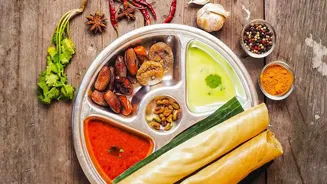
Steaming is a zero-oil technique perfect for dishes like dhokla and idli, and it also works beautifully for fish and vegetables, preserving their nutrients. Similarly, baking or roasting vegetables in an OTG before adding them to a curry imparts a wonderful flavour without the need for shallow frying.
Choose the Right Cookware
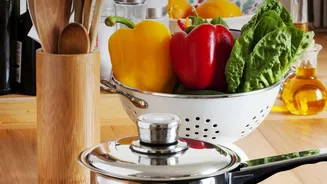
The type of pan you use has a significant impact on how much oil you need. A good quality non-stick or well-seasoned cast-iron pan is one of the best investments for a low-oil kitchen. Food is less likely to stick and burn on these surfaces, allowing you to sauté onions, tomatoes, and spices with as little as a single teaspoon of oil. Traditional steel or aluminium kadais often require more oil to create a non-stick layer, leading to higher consumption over time. An upgrade in cookware can save a little oil in every single meal.
Master the Art of the Masala
The base of many Indian dishes involves frying aromatics and spices. Instead of relying solely on oil, try 'water sautéing'. After an initial small amount of oil, add splashes of water, vegetable stock, or tomato puree whenever the masala begins to stick. This not only prevents burning but also helps onions and tomatoes soften and meld into a flavourful paste without adding extra fat. Another powerful technique is to dry roast whole spices like cumin, coriander, and mustard seeds in a hot pan for about 30-40 seconds before using them. This releases their essential oils and aromas, meaning you need less oil later to extract their flavour.
Measure, Don't Pour
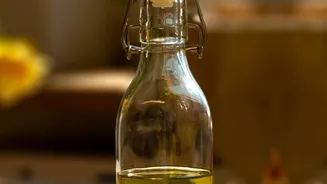
One of the most common ways we use excess oil is by pouring it directly from the bottle into the pan. This makes it nearly impossible to control the quantity. A simple but highly effective habit is to use measuring spoons for your oil. By consciously using one or two teaspoons instead of a free-pour, you can significantly cut down on your daily intake. For an even finer coating, an oil spray can distribute a very small amount of oil evenly across a pan's surface, using up to 80% less oil than pouring. This is especially useful for making dosas, cheelas, or greasing a baking tray.
Smart Swaps for Richness and Texture
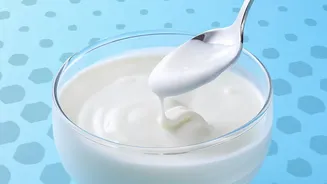
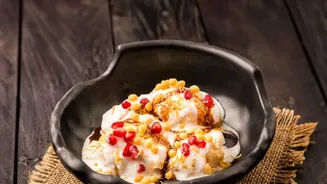
Oil is often used to give curries a rich, creamy texture. Thankfully, there are healthier alternatives that can achieve a similar effect. Using yogurt or curd can add creaminess and a pleasant tang to dishes like kadhi or chicken curries. For South Indian stews or kormas, a bit of low-fat milk or coconut milk can provide thickness and flavour without the heaviness of oil. Pastes made from cashews or almonds are another excellent way to create a smooth, rich gravy for dishes like paneer butter masala, replacing some of the required butter or oil.