


The Great Fiber Divide
The most significant difference between drinking fruit and eating it is fiber. The juicing process, whether at home or in a shop, extracts the liquid and leaves behind the pulp and skin, which are packed with dietary fiber. This fiber is crucial for several
reasons. It aids in digestion, promotes regular bowel movements, and helps you feel full and satisfied. Without fiber, you are essentially consuming a beverage that is less filling and can be consumed much more quickly than whole fruit, often leading to a higher intake of calories and sugar without the accompanying feeling of fullness.
A Concentrated Sugar Hit
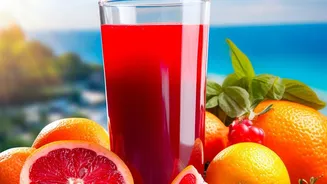
When you eat a whole orange, its sugars are encased in a fibrous cellular structure. Your body has to work to break down these structures, leading to a slower, more gradual release of sugar into your bloodstream. Fruit juice, on the other hand, contains what are known as 'free sugars'. With the fiber removed, this liquid sugar is absorbed very rapidly by your body, causing a sharper and faster spike in blood sugar and insulin levels. The glycemic index (GI) of orange juice is significantly higher than that of a whole orange, meaning it raises blood sugar more quickly. Over time, repeated sugar spikes can be associated with an increased risk for conditions like type 2 diabetes.
What About the Vitamins?
While fresh juice does retain many of the vitamins and minerals found in fruit, the process isn't without losses. Some water-soluble vitamins, like Vitamin C, can degrade during processing and storage. More importantly, many beneficial plant compounds, called polyphenols and antioxidants, are bound to the fiber in the fruit's pulp and skin. When you discard the pulp, you lose a significant portion of these health-promoting compounds. So, while you're still getting a dose of nutrients, it's a less complete package than what the whole fruit provides.
The Golden Rule: Serving Size Matters
This brings us to the core question: how much juice is okay? Most health authorities agree that if you choose to drink juice, moderation is key. The recommended serving size is typically a small glass, around 120-150ml per day, and it should not be seen as a replacement for whole fruit. It can, on occasion, count as one of your daily fruit portions. Consider it a treat rather than a staple. To make your juice healthier, you can dilute it with water or, even better, blend it with vegetables like spinach or cucumber to lower the overall sugar content and add more nutrients. Pairing juice with a source of protein or healthy fat, like eggs or a handful of nuts, can also help slow down the absorption of sugar.
Why Whole Fruit Wins
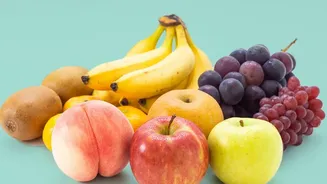
Ultimately, whole fruit remains the superior choice for daily consumption. It offers a complete nutritional bundle: vitamins, minerals, water, and that all-important fiber. Eating a whole apple or a bowl of berries provides greater satiety, meaning it keeps you feeling full for longer compared to drinking the equivalent amount of calories from juice. This can help with weight management and prevent overconsumption of sugar. The Indian Council of Medical Research (ICMR) recommends around 100 grams of fruit per day as part of a balanced diet, which is easily met with one or two whole fruits. This approach ensures you get all the benefits without the drawbacks of concentrated liquid sugar.