



Canna Lily: Tropical Drama
Canna lilies are the drama queens of the monsoon garden, and they love the attention. With their large, banana-like leaves and brilliant flowers in shades of red, orange, and yellow, they bring a bold, tropical feel to any space. These plants are native
to tropical regions and are naturally adapted to periods of heavy rainfall. They thrive in consistently moist soil, so they won't complain about daily downpours. In fact, they require plenty of water to produce their spectacular blooms. For container growing, choose a large, sturdy pot to accommodate their rhizomatous roots. Use a rich potting mix and ensure the pot has drainage holes, as even water-loving plants dislike stagnant water.
Caladium: Heart-Shaped Hues
Known for their stunning, heart-shaped leaves, Caladiums are a foliage-lover's dream. Their leaves come in a mesmerising array of colours and patterns—from mottled pink and white to deep reds and greens. These plants go dormant in dry conditions and burst to life when the rains arrive, making them a perfect monsoon companion. They thrive in the high humidity and indirect light typical of the rainy season. In a container, the key is to provide a well-draining but moisture-retentive medium. A mix of cocopeat, compost, and perlite is ideal. While they love moisture, their tubers can rot if the pot is waterlogged. They are perfect for brightening up a shaded balcony or patio.
Coleus: A Riot of Colour
If you want to paint your monsoon garden with every colour imaginable, look no further than Coleus. Grown for its incredibly decorative and multi-coloured leaves, Coleus is a fast-growing plant that performs exceptionally well in the warm, humid conditions of the Indian monsoon. The foliage comes in shades of lime green, deep burgundy, hot pink, and velvety purple. They prefer shaded or semi-shaded spots, making them ideal for balconies that lose direct sun during the rainy season. Coleus enjoys moist soil but is susceptible to root rot if drainage is poor. Use a light, airy potting mix and pinch back the tips regularly to encourage bushier growth.
Peace Lily: Elegant and Effortless
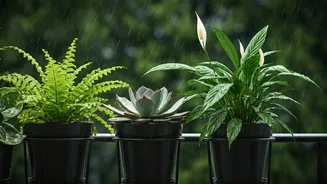
The Peace Lily is a classic for a reason: it's forgiving, elegant, and communicates its needs clearly. With its glossy, dark green leaves and iconic white spathe flowers, it adds a touch of sophistication to any space. Peace Lilies are native to tropical rainforest floors, so they are perfectly adapted to lower light and high humidity. They prefer consistently moist soil and will even droop dramatically to let you know when they're thirsty. During the monsoon, you'll find they are in their element, often requiring less supplemental watering. The key is to avoid waterlogging. Plant them in a well-draining mix and let the top inch of soil dry out slightly between waterings.
Impatiens: The Monsoon Flower
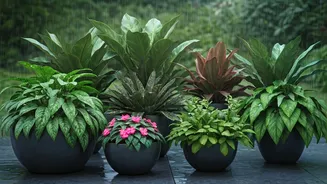
In many parts of India, Impatiens, or Balsam, is colloquially known as the "monsoon flower." This annual plant explodes with colour as soon as the rains begin. Its delicate flowers in shades of pink, white, and red are a common sight in gardens across the country during this season. Impatiens are true water lovers and thrive in the moist conditions that would cause other flowering plants to fail. They perform well in containers, providing a continuous display of blooms. Plant them in a rich, well-draining potting soil and place them in a spot that receives bright, indirect light. Their cheerful presence is a perfect antidote to grey days.
The Golden Rule: Drainage
While all the plants on this list love moisture, none of them enjoy sitting in a stagnant puddle. The number one killer of container plants during the monsoon is root rot, caused by waterlogged soil. The secret to a thriving rainy-season container garden is excellent drainage. Always use pots with multiple drainage holes. If a pot has only one small hole, consider drilling a few more. Before adding soil, you can place a layer of broken terracotta pot pieces or small stones at the bottom to prevent soil from clogging the holes. Use a light, well-aerated potting mix. Heavy garden soil becomes compacted and waterlogged in containers. A mix containing cocopeat and perlite will improve drainage and give roots the oxygen they need to thrive.