



What is Sumac, Exactly?
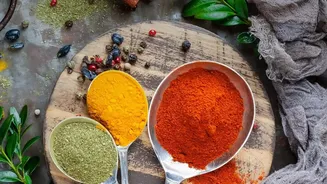
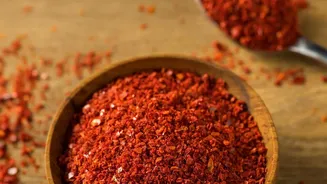
Before you start cooking, it’s important to know what you’re working with. Sumac is a coarse powder made from the dried and ground berries of the wild sumac shrub, specifically Rhus coriaria. It’s a staple in Middle Eastern and Mediterranean cooking, prized
for its zesty flavour and beautiful deep red colour. And to clear up a common concern: culinary sumac is completely different from poison sumac. The spice you buy in a store comes from the edible plant, which has upright clusters of fuzzy red berries, while the poisonous variety has drooping white or grey berries and is not used in food at all.
A Familiar Tartness, Redefined
The primary flavour of sumac is a bright, tangy sourness that is often compared to lemon. However, it’s a more balanced and less aggressive acidity than fresh citrus juice. Think of it as a lemony flavour with added complexity—it has slightly fruity, earthy, and even subtly sweet notes that round it out. This profile makes it incredibly versatile. It provides the 'dry acidity' that can cut through the richness of fatty meats, balance creamy dips, or sharpen a salad without making things watery, which can happen when using lemon juice or vinegar.
Elevating Your Dressings
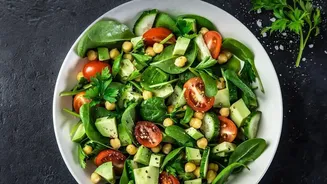
Sumac is a natural star in salad dressings. Its tartness provides the acidic backbone that every good vinaigrette needs. To create a simple and flavourful sumac dressing, you can whisk it into olive oil with a touch of Dijon mustard and a little honey or maple syrup to balance the flavours. For a basic vinaigrette, simply adding one or two teaspoons of sumac to your oil and vinegar mixture can provide a new layer of complexity. It pairs exceptionally well with fresh herbs and can be sprinkled directly onto salads, like the classic Lebanese fattoush, for a final flourish of flavour and colour.
The Perfect Marinade Partner
When it comes to marinades, sumac is an excellent ingredient for flavouring everything from chicken and fish to lamb and vegetables. Because it adds tang without the high liquid content of citrus juice, it seasons meat effectively without 'cooking' it through acid, a process that can sometimes toughen textures. A simple marinade can be made by combining sumac with olive oil, minced garlic, and salt. For a more complex flavour profile, try mixing it with yogurt, which tenderises the meat while the sumac provides a bright counterpoint to the creaminess. This combination is especially popular for chicken kebabs.
Crafting Flavourful Dry Seasonings
Sumac’s dry, coarse texture makes it an ideal component for spice rubs and seasoning blends. It provides a tart foundation that can be built upon with other spices. A versatile dry rub can be made by combining sumac with garlic powder, dried oregano, cumin, and salt. This blend is fantastic on chicken, pork, or even sprinkled over roasted vegetables. You can also mix it with other Middle Eastern staples like sesame seeds and thyme to create your own za'atar blend. The beauty of using sumac in a dry rub is that it adds a layer of bright flavour that complements the smokiness from grilling or roasting.