






Riverside Camps Away from the Crowds
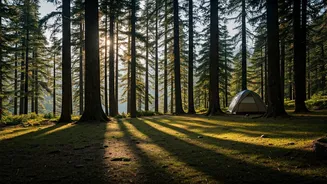
The main Jibhi stretch is lined with cafes and stays, but the real magic lies just a little further afield. Seek out campsites situated a few kilometres up or down the river from the central market. These spots, often accessible via a short, winding path,
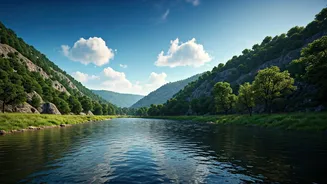
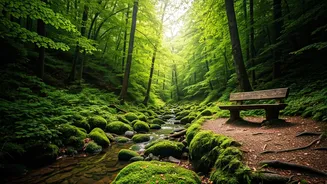
offer an unparalleled sense of seclusion. Here, the constant, meditative sound of the Tirthan River drowns out everything else. Your days are measured by the shifting light on the water and your nights are spent under a canopy of stars, far from any light pollution. These camps are typically more rustic, with basic but comfortable tents, communal bonfires, and hosts who prioritise peace over parties. The experience is less about amenities and more about immersion—waking up, unzipping your tent, and having the river flow right at your doorstep.
High-Altitude Hideaways near Shojha
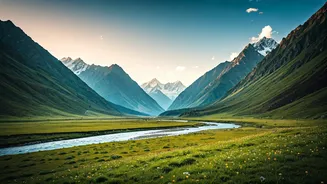
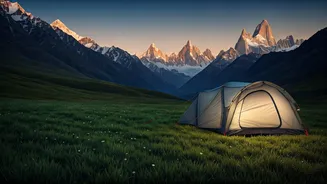
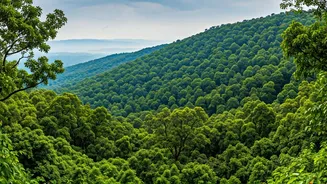
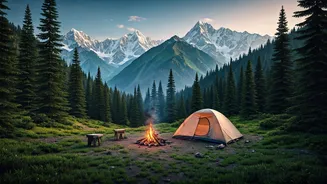
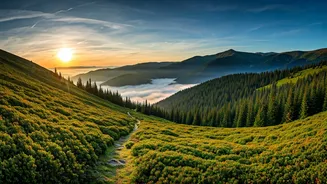
For those who equate serenity with panoramic views and crisp mountain air, the campsites around Shojha are a perfect choice. Located a short, scenic drive above Jibhi and just before Jalori Pass, Shojha is a tiny village wrapped in dense deodar and oak forests. The campsites here are perched at a higher altitude, offering breathtaking vistas of the entire valley. The quiet here is profound, punctuated only by birdsong and the wind whispering through the trees. These locations serve as excellent basecamps for treks to Serolsar Lake or Raghupur Fort. The evenings get chilly, making the campfire an essential and cherished gathering spot. It's an escape for the soul that wants to feel on top of the world, literally and figuratively.
Orchard Stays and Farm Camps
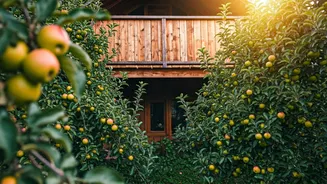
Imagine camping in the middle of a blooming apple or cherry orchard. Several local families in and around Jibhi have opened up their ancestral farmlands to visitors, offering a unique agro-tourism experience. These are not commercial campsites but intimate spaces with just a handful of tents. You get to live by the rhythm of the farm, enjoy fresh, home-cooked meals made from local produce, and learn about the region’s horticulture. The serenity here is gentle and pastoral. Instead of dramatic river sounds, you’re soothed by the buzzing of bees and the rustle of leaves. This option is particularly beautiful from spring to autumn, when the orchards are either in full bloom or laden with fruit. It’s a peaceful retreat that connects you directly to the land and its people.
Eco-Camps with a Conscious Heart
For the traveller whose peace of mind is tied to sustainable practices, Jibhi’s eco-camps are the answer. These campsites are built on the principles of minimalism and respect for nature. They often use recycled materials, solar power, and dry-compost toilets, ensuring their footprint on the fragile Himalayan ecosystem is as light as possible. The focus is on disconnecting from the digital world and reconnecting with the natural one. You won’t find loud music or extravagant facilities. Instead, you'll find guided nature walks, bird-watching opportunities, and workshops on sustainability. Staying here is an active choice to support responsible tourism, and the serenity you find is deeper for knowing you are part of a solution, not a problem.
Lesser-Known Villages with Camping Options
Jibhi is the gateway, but the Tirthan Valley is dotted with smaller, even quieter villages like Ghiyagi, Nagini, and Bahu. Many traditional homestays in these hamlets offer a hybrid experience: you can stay in a comfortable room or choose to pitch a tent in their garden or a nearby clearing. This gives you the best of both worlds—the raw feel of camping combined with access to a warm kitchen and the wisdom of local hosts. These spots are truly 'hidden' as they are not listed on major booking portals. Finding them often involves asking around or following a local recommendation, which is part of the adventure. The reward is an authentic glimpse into Himachali life, far from the well-trodden tourist path.