







The Problem of 'Overtourism'
It’s a term that gained traction long before the global travel pause: overtourism. It describes the point at which the sheer number of visitors strains a city’s resources and damages the quality of life for its residents. This isn't just about crowded
sidewalks; it's about rising housing costs as long-term rentals are converted into holiday lets, pressure on public transport and sanitation, and the erosion of local culture as authentic businesses are replaced by souvenir shops. In historic centres like Venice or Barcelona, with infrastructure not built for modern visitor numbers, the wear and tear is both physical and social, leading to what some residents call the transformation of their neighbourhoods into theme parks.
A Forced Experiment in Quiet
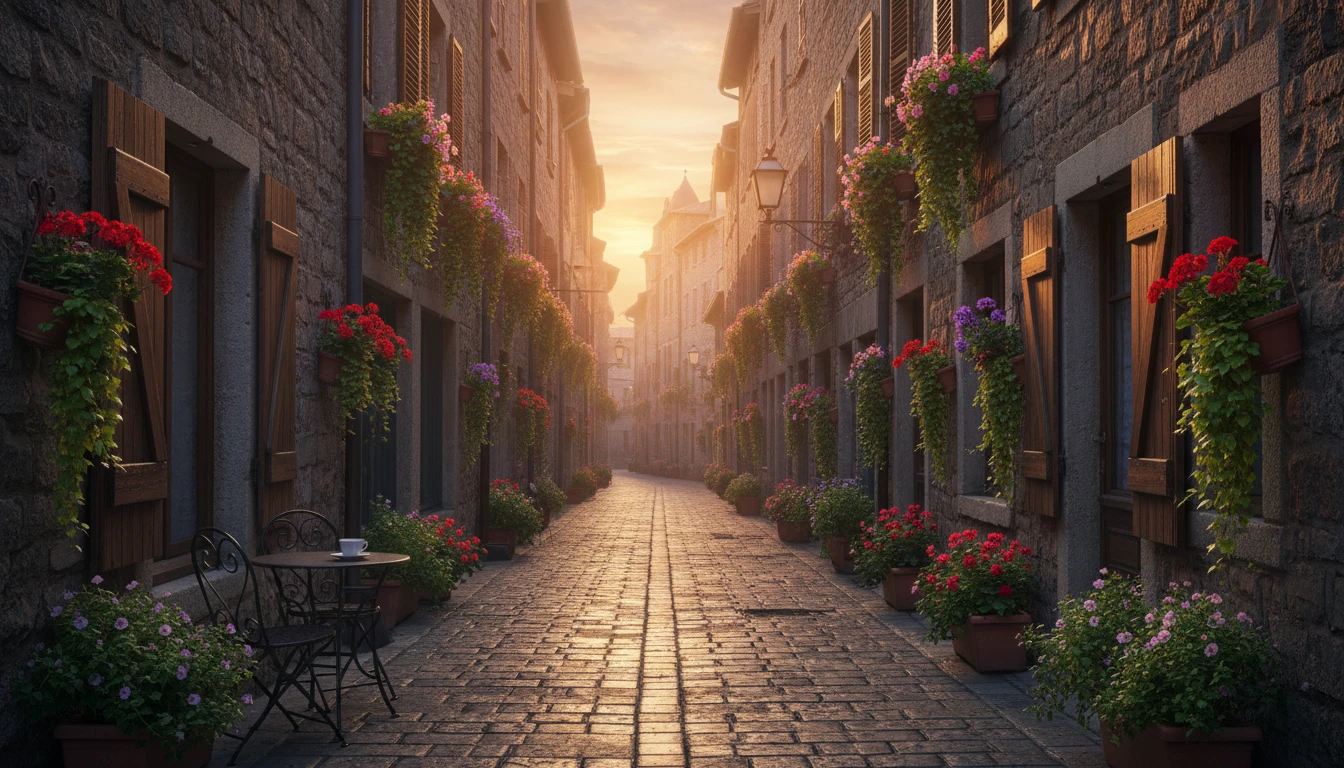
The travel shutdowns of the early 2020s offered an unexpected and dramatic glimpse of an alternative. For the first time in decades, residents of cities like Rome and Florence reclaimed their public squares. While the economic devastation was severe, the quiet streets and clean air provided a powerful reminder of what had been lost. It forced a global conversation: could cities rebuild their tourism economies to be more sustainable? This period acted as a reset, prompting authorities and residents alike to question the old model of chasing ever-increasing visitor numbers. The focus began to shift from quantity to quality.
Trading Volume for Value
The emerging strategy is a pivot from mass tourism to a more sustainable model. Instead of encouraging large, fast-moving tour groups that spend little time and money in one place, cities are aiming to attract visitors who stay longer, spend more locally, and engage more deeply with the culture. This approach recognizes that not all tourism is created equal. A visitor who stays for a week, eats in local restaurants, and explores lesser-known neighbourhoods contributes more to the local economy and creates less strain than a busload of day-trippers checking off a list of sights. Smaller tour groups are also a key part of this, as they have less physical impact, can visit smaller venues, and offer a more personal experience.
Cities Taking Action
This isn't just a theoretical discussion; cities across Europe are implementing concrete policies. Venice has rolled out a day-tripper entry fee for 2026 on peak days and banned large cruise ships from its historic centre. Amsterdam launched a direct 'Stay Away' campaign targeting rowdy tourists, which has coincided with a notable decrease in arrivals from some markets. Barcelona is cracking down on short-term rentals, while cities like Dubrovnik are limiting the number of cruise passengers allowed to disembark at any one time. These measures, though sometimes controversial, signal a clear intent to manage tourism proactively rather than letting it run unchecked.
The Delicate Balancing Act
Of course, this transition is not without its challenges. Limiting certain types of tourism can hurt businesses that have come to rely on high volume, from coach companies to souvenir vendors. There's a fine line between managing crowds and turning away much-needed revenue. The success of campaigns like Amsterdam's has been debated, with some reports showing a limited direct impact on the target audience's desire to visit. The goal for most cities is not to end tourism, but to find a sustainable equilibrium where the industry can thrive without compromising the liveability that makes these places special to begin with. It's a complex, ongoing experiment in urban management.