





The Problem with an 'All or Nothing' Mindset
Many diets are built on a foundation of restriction. We create lists of 'good' and 'bad' foods, placing our favourite snacks firmly in the forbidden category. While this feels disciplined, psychology shows it often backfires. This rigid, all-or-nothing
approach can set us up for failure. When we label foods as off-limits, it can paradoxically increase our desire for them. This heightened craving can lead to a breaking point, where we don't just have one cookie, but the entire packet. This is often followed by intense feelings of guilt and failure, which can push a person to restrict even more harshly, perpetuating a harmful cycle of deprivation and bingeing. This pattern doesn't support long-term health; instead, it fosters a stressful and unhealthy relationship with food.
The Power of a Planned Indulgence
The solution is not to eliminate treats but to integrate them with intention. By planning for a small treat, you give yourself permission to enjoy it, which strips away the guilt and the allure of the 'forbidden'. Scheduled indulgences act as a psychological relief valve, giving you something to look forward to and making it easier to stick to a healthy eating pattern the rest of the time. Research suggests that this strategy is highly effective. One study found that dieters who intentionally incorporated craved foods into their balanced meal plan actually lost more weight and kept their cravings minimal over the long term compared to those who didn't. When a treat is part of the plan, it loses its power to derail your efforts and becomes just another enjoyable part of your day.
What Qualifies as a 'Small Treat'?
To make this strategy work, it's important to be realistic about portion sizes. A 'small treat' isn't a free-for-all. The goal is satisfaction, not excess. Nutritionists often recommend aiming for treats in the 100 to 200 calorie range. This could be a few squares of dark chocolate, a small scoop of ice cream, or a handful of baked chips. Reading nutrition labels can help you make informed choices. Buying single-serving packages can also be a useful tool for built-in portion control, removing the temptation to over-consume from a larger bag or container. The idea is to find a balance where the treat is substantial enough to satisfy a craving but small enough to fit comfortably within your overall daily energy needs.
How to Weave Treats into Your Day
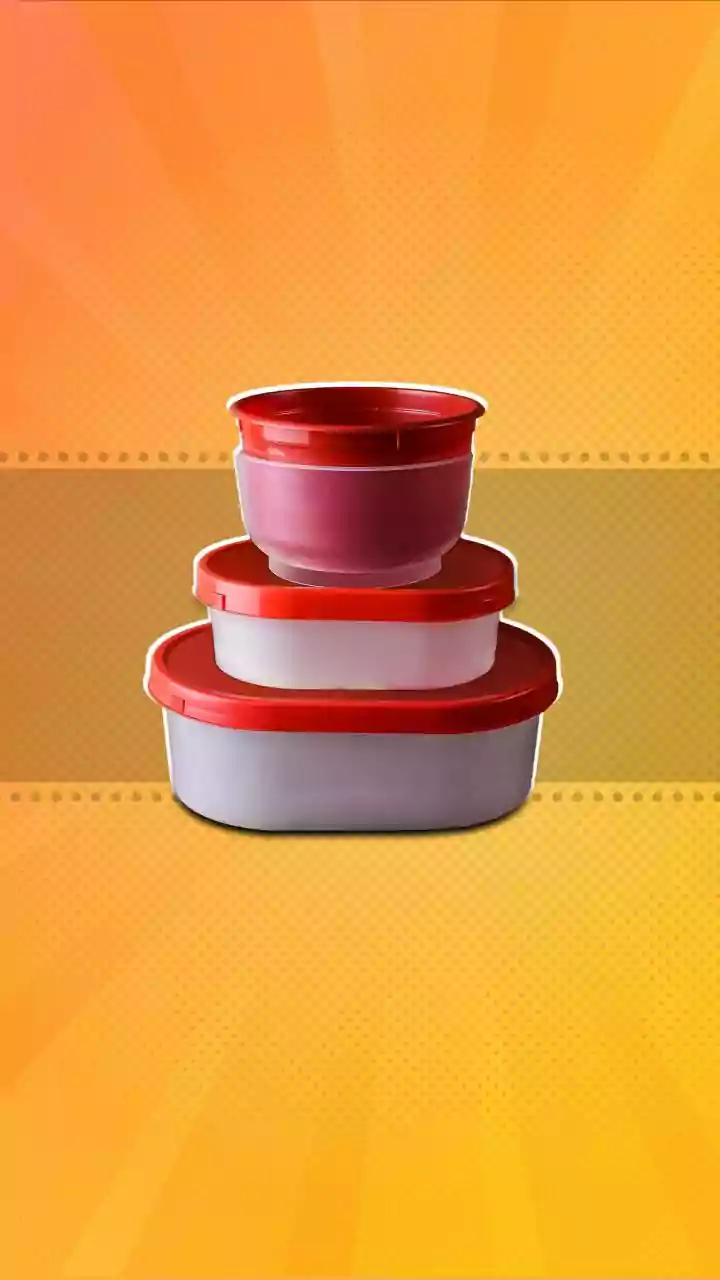
Timing can make a big difference. Enjoying your small treat directly after a balanced meal can be a smart move. Because you're already feeling full from your meal, you're naturally less likely to overeat the dessert. Furthermore, the fibre, protein, and fats from your meal can help slow the absorption of sugar, preventing sharp spikes and crashes in your blood sugar levels. Another effective strategy is to pre-portion your treats for the week. When you bring groceries home, take a few minutes to divide snacks into smaller bags or containers. This intentional practice makes it easy to grab a sensible portion when a craving strikes, rather than making an impulsive decision when you're hungry and your willpower is low.
Make It a Mindful Moment
How you eat your treat is just as important as what or when you eat it. Mindless eating in front of the television or while scrolling on your phone can lead you to finish a snack without truly tasting or enjoying it. To get the most satisfaction from your indulgence, make it a mindful experience. Put the treat on a plate, sit down at a table, and eliminate distractions. Pay attention to the flavours, textures, and aromas. By eating slowly and savouring each bite, you give your brain time to register satisfaction. You might find that a smaller portion is perfectly sufficient when you are fully present and engaged in the act of eating. This practice helps reconnect you with your body's natural hunger and fullness cues, building a healthier and more intuitive relationship with food.