




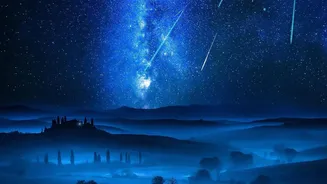
The Celestial Fireworks: What Are the Perseids?
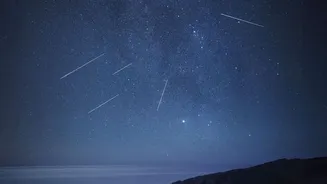
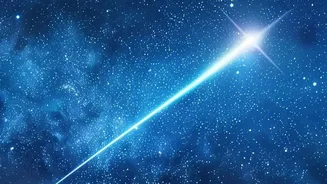
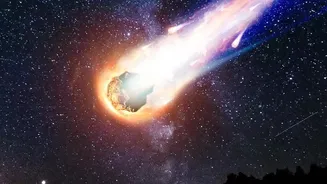
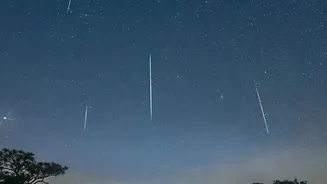
The Perseid meteor shower is an annual event that occurs every August when the Earth passes through the dusty trail left behind by the comet Swift-Tuttle. As these tiny particles of space debris enter our atmosphere at high speeds, they burn up and create
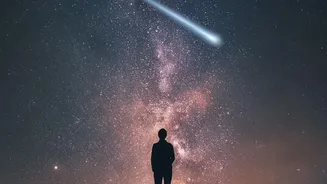
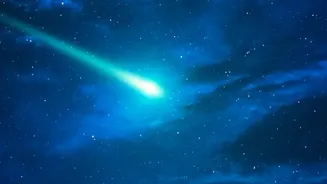
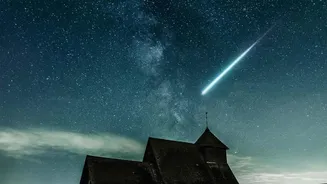
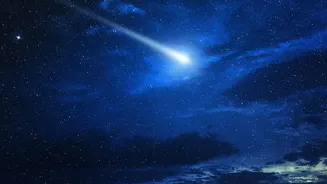
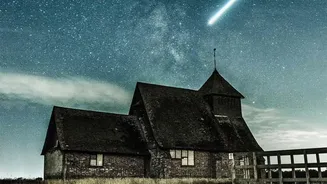
brilliant streaks of light we call meteors or 'shooting stars'. Known for their speed and brightness, some Perseids can leave long, glowing trails. Tonight, August 12th, marks the peak of the shower, with stargazers potentially seeing between 50 to 100 meteors per hour under perfect conditions. The best part for 2026 is that the peak coincides with a new moon, meaning there will be no moonlight to wash out the fainter meteors, making this an exceptional viewing opportunity.
The Himalayan Sanctuaries: Ladakh and Spiti
For the most pristine skies in India, nothing beats the high-altitude cold deserts of the Himalayas. Hanle in Ladakh is the crown jewel, officially designated as India's first Dark Sky Reserve. At over 4,500 metres, its thin, dry air and near-total lack of light pollution provide a world-class stargazing experience. Similarly, the Spiti Valley in Himachal Pradesh offers dramatic landscapes and incredibly dark skies. Villages like Kaza and Kibber serve as excellent bases for watching the meteor shower against a backdrop of silent mountains and ancient monasteries. In these locations, the Milky Way is often visible to the naked eye, making the meteor shower even more breathtaking.
The Desert Expanse: Rann of Kutch and Thar
The vast, flat landscapes of India's western deserts offer an uninterrupted, 360-degree view of the heavens. The Great Rann of Kutch in Gujarat, a massive salt flat, transforms into an otherworldly stage for the night sky. The lack of vegetation and city lights means you can find a spot, lie back, and see the sky from horizon to horizon. Further north, the Thar Desert near Jaisalmer, Rajasthan, provides another accessible option. Areas like the Sam Sand Dunes are popular spots where you can escape the city glow and witness the celestial spectacle. Many desert camps in these regions cater to tourists and can offer a comfortable base for your night of stargazing.
The Southern Vistas: Coorg and the Andaman Islands
Stargazers in South India also have fantastic options. The hills of Coorg in Karnataka, nestled within the Western Ghats, offer pockets of darkness away from the bustle of Bengaluru and Mysuru. Find a secluded estate or viewpoint for a clear view. For a truly unique experience, consider the Andaman and Nicobar Islands. Neil Island (Shaheed Dweep) and Havelock Island (Swaraj Dweep), with their minimal development and light pollution, provide an idyllic setting. Imagine watching meteors streak across the sky from a pristine beach, with the sound of waves in the background—it's a truly unforgettable experience.
Your Guide to a Perfect Viewing Night
No matter where you are, a few simple tips can dramatically improve your experience. The best viewing time is between midnight and the pre-dawn hours, around 2:00 AM to 4:30 AM IST, when the part of the sky the meteors appear to radiate from (the constellation Perseus) is high in the sky. First, get away from city lights; even a short drive to a darker park or field can make a huge difference. Allow your eyes at least 20-30 minutes to fully adjust to the darkness—and avoid looking at your phone's white screen. You don't need a telescope or binoculars; your eyes are the best tool. Finally, get comfortable. Bring a blanket or a reclining chair, lie back, and be patient. The show will be worth the wait.