






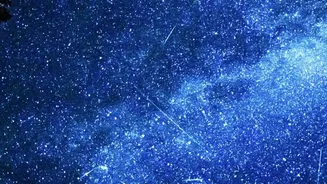
A Gift from Halley's Comet
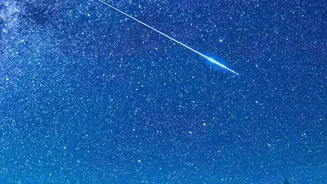
The Orionid meteor shower is an annual event that occurs when Earth passes through the trail of dust and debris left behind by Halley's Comet (1P/Halley). While the comet itself only visits the inner solar system every 76 years, its dusty legacy provides
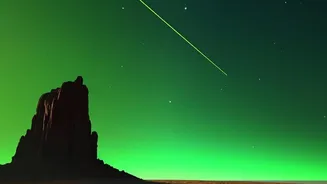
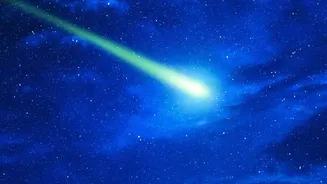
us with two meteor showers each year: the Eta Aquarids in May and the Orionids in October. These meteors are known for their incredible speed, entering our atmosphere at about 66 kilometres per second. This velocity often results in bright, swift streaks of light, and some can even leave behind glowing trails that linger for a few moments.
Mark Your Calendar: The Peak Nights
The Orionid shower will be active from early October to early November, but the best time to watch is during its peak. For 2026, the peak is expected on the night between October 21 and 22. Because the peak is broad, the night of October 22-23 is also a good opportunity for viewing. Under perfect conditions, you might see between 15 and 25 meteors per hour. The key to seeing them is timing your viewing session correctly. While the meteors appear to originate from the constellation Orion, you don't need to stare at it directly; they will be visible across the entire night sky.
The Challenge: A Bright Moon
There is one significant challenge for viewers in 2026: the Moon. During the peak nights, a bright waxing gibbous moon will be about 80% illuminated, washing out all but the brightest meteors for much of the night. This might sound discouraging, but there is a perfect window of opportunity for dedicated sky-watchers. The solution is to wait for the Moon to set. On the peak mornings, the Moon will disappear below the horizon a few hours before dawn, leaving the sky perfectly dark for the show.
Your Pre-Dawn Viewing Plan
To catch the best display, you’ll need to either stay up very late or set an early alarm. The prime viewing time will be in the dark hours between moonset and the first light of dawn, roughly from 3 a.m. local time until sunrise. This pre-dawn window will offer the darkest skies and the best chance to see the Orionids in all their glory. The radiant of the shower—the point from which the meteors appear to originate—will also be high in the sky at this time, further increasing your chances of a good show.
The Quest for Darkness
As the headline suggests, finding a dark spot is crucial. City and suburban light pollution can drastically reduce the number of meteors you'll see. To find a good viewing location, you don't necessarily need to travel to remote destinations like Ladakh or Spiti Valley, though they are world-class spots. Simply driving 30-60 minutes away from city centres can make a huge difference. Look for a spot with an open view of the sky, away from streetlights and buildings. Parks, rural fields, or the outskirts of your town are all excellent options. The darker your surroundings, the more spectacular the show will be.
How to Watch in Comfort
You don't need a telescope or binoculars to enjoy a meteor shower, as your naked eyes are the best tool for scanning wide areas of the sky. Comfort is key, as you'll be outside for a while. Bring a reclining lawn chair or a thick blanket to lie on. October nights can be chilly, so dress in warm layers, and consider bringing a hat and gloves. A flask of a warm drink and some snacks can make the experience even more pleasant. To preserve your night vision, use a red-light torch if you need to see, and most importantly, put your phone away to allow your eyes to fully adapt to the darkness—a process that takes about 20-30 minutes.