






Meet Your Internal Body Clock
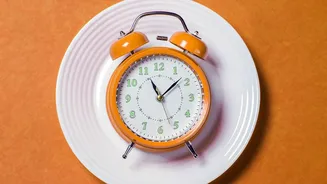
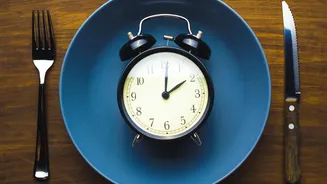
At the heart of this concept is your body's internal 24-hour clock, known as the circadian rhythm. This rhythm doesn't just manage your sleep-wake cycle; it also governs hormones, digestion, and metabolism. The emerging field of chrononutrition studies
how aligning our eating patterns with these internal clocks can optimise health. Think of it as working with your body's natural programming, rather than against it. When you eat, you're sending a powerful signal to the clocks in your liver, gut, and muscles, telling them it's 'active time'. The key is to send this signal when they are most prepared to receive it.
The Midday Metabolic Advantage
Your body is not a static machine; its ability to process food changes throughout the day. Insulin sensitivity, which is your body's ability to use glucose from carbohydrates effectively, is generally highest in the morning and early afternoon. When you eat a large, carbohydrate-rich meal in the early afternoon, your body is in its prime to handle the glucose influx, shuttling it into cells for energy and preventing dramatic blood sugar spikes. Conversely, insulin sensitivity naturally decreases as the evening progresses. Eating a large meal late at night, when the body is preparing for rest, can lead to higher and more prolonged blood sugar levels.
Stabilising Glucose for All-Day Energy
A substantial midday meal provides a steady supply of energy for the rest of your afternoon, helping you power through work and avoid the classic 3 p.m. slump. This can reduce cravings for sugary snacks and other quick fixes. When your largest meal is at night, your blood sugar may spike while you are least active. This can disrupt your metabolic state and, over time, is associated with an increased risk of developing metabolic issues. By front-loading your calories, you give your body ample opportunity to use the energy you've consumed, promoting more stable glucose levels throughout the day and into the night.
The Connection Between a Late Dinner and Poor Sleep
A heavy dinner close to bedtime can be a recipe for restless nights. Your body's core temperature needs to drop to initiate sleep, but the process of digesting a large meal generates heat, which can interfere with this natural cooling. Furthermore, late eating can cause indigestion or acid reflux, making it physically uncomfortable to lie down. More critically, eating late at night can delay the release of melatonin, the hormone that signals to your body that it's time to sleep. Studies have shown a clear link between late meal timings and poorer sleep quality. People who eat their last meal two to three hours before bed often report better sleep.
How to Make the Shift
Transitioning your main meal from dinner to lunch doesn't have to be an overnight overhaul. Start by gradually increasing the size of your lunch while making your dinner portion smaller and lighter. Aim for a balanced afternoon meal that includes protein, healthy fats, and complex carbohydrates to keep you feeling full and energised. Your evening meal can then become something simpler, like a soup, a salad, or a small portion of lean protein and vegetables. This isn't about restriction but rather a redistribution of your daily food intake to better match your body's innate rhythm. Listening to your body's hunger and satiety signals will be your best guide.