


India's First Sanctuary for the Stars
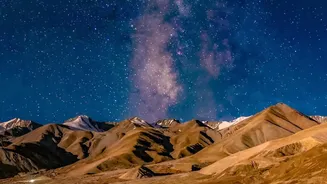
In December 2022, a 1,073-square-kilometre area around the village of Hanle in Ladakh was officially designated as India's first Dark Sky Reserve. This sanctuary is not for wildlife in the traditional sense, but for the stars. Its primary purpose is to
protect the pristine, dark night sky from the ever-growing problem of artificial light pollution. This initiative was born from a collaboration between the Union Territory of Ladakh administration, the Ladakh Autonomous Hill Development Council (LAHDC), and the Indian Institute of Astrophysics (IIA). The goal is to preserve the exceptional quality of the night sky for scientific research while simultaneously fostering a unique and sustainable form of tourism.
Why Hanle is the Perfect Cosmic Window
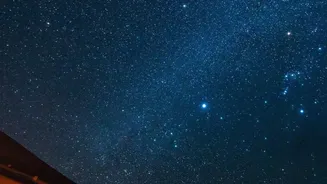
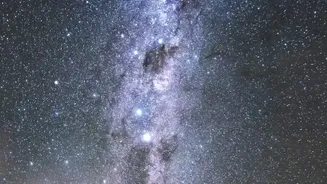
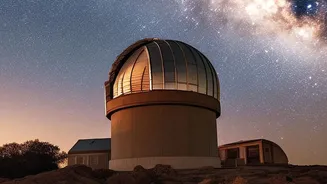
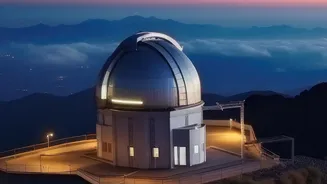
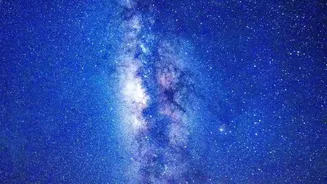
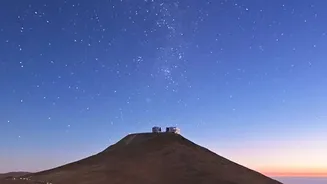
Hanle's location in the Changthang region, at a breathtaking altitude of about 4,500 metres (nearly 15,000 feet), makes it one of the best places on Earth for stargazing. The high altitude means the atmosphere is thin, and the cold desert climate ensures dry air and over 270 clear nights a year. This combination results in incredibly sharp and clear views of celestial objects. These ideal conditions are why the Indian Institute of Astrophysics established the Indian Astronomical Observatory (IAO) here, home to some of the world's highest-altitude telescopes. The area has minimal human population and, therefore, almost non-existent light pollution, earning it a 'Bortle 1' rating—the darkest possible classification for a night sky.
A Partnership Between Science and Community
The success of the Hanle Dark Sky Reserve hinges on the active participation of the local community. It’s a science-driven project with community at its heart. Villagers in the six hamlets that fall within the reserve have become crucial partners in this conservation effort. They have embraced new practices to minimise light pollution, such as using special window curtains to prevent light from escaping, installing downward-facing shields on outdoor lights, and switching to bulbs that emit warm, less disruptive light. In return, the initiative is creating new economic opportunities that are deeply connected to the region's unique environment.
The Rise of Astro-Tourism
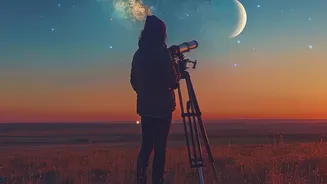
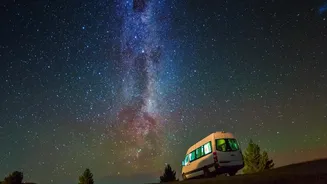
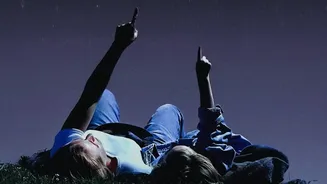
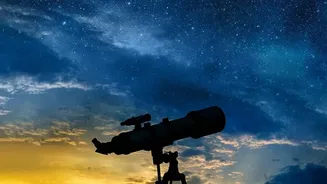
The designation has kickstarted a new wave of 'astro-tourism' in the region. The IIA, along with local partners, has trained dozens of local residents, many of them women, to be 'Astronomy Ambassadors'. Equipped with telescopes and knowledge about the cosmos, these guides offer paid stargazing sessions to tourists. This has led to a boom in homestays, with the number growing from just a handful to over 70, providing a sustainable livelihood that encourages young people to stay in or return to their villages. Visitors can experience the wonders of the universe, viewing the Andromeda Galaxy or the rings of Saturn through a telescope, all while being guided by a local expert.
Protecting a Natural and Cultural Heritage
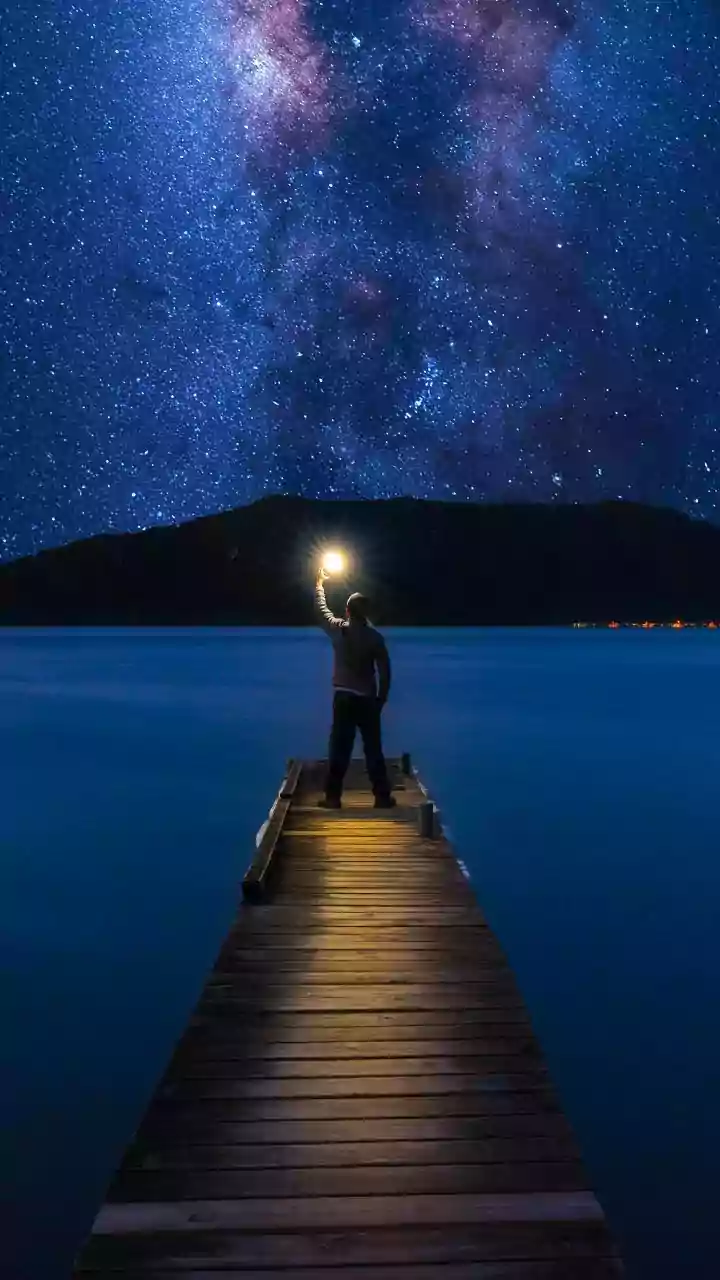
The rules within the sanctuary are simple but effective: respect the darkness. Visitors are encouraged to use red-filtered lights, which are less harmful to night vision, and to avoid loud noises that could disturb the tranquil environment and local wildlife. This project does more than just protect a scientific resource; it preserves a fundamental part of our natural heritage—the unfiltered view of the cosmos that has inspired humanity for millennia. By safeguarding its dark skies, Hanle is not just creating a destination for scientists and tourists; it is building a model for how development and conservation can coexist, ensuring that future generations can also look up and marvel at the universe in all its glory.