

The Right Footwear: Your Most Critical Choice
The single most important gear decision for a monsoon trek in the Western Ghats is your footwear. The terrain, often composed of slippery basaltic rock and muddy slopes, becomes treacherous when wet. Standard sports shoes or sneakers lack the necessary
grip and can be genuinely dangerous. Invest in high-ankle trekking shoes with deep, aggressive lugs on the outsole for maximum traction. The high-ankle support helps prevent twists on uneven paths, while a waterproof or water-resistant lining keeps your feet dry and comfortable. Avoid cotton socks at all costs; they retain moisture, leading to blisters. Instead, opt for synthetic or wool-blend trekking socks that wick moisture away from the skin.
Clothing: Layering with Quick-Dry Fabrics
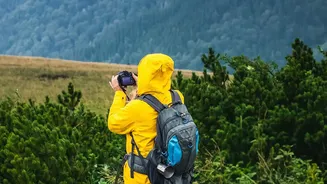
When it comes to clothing, the mantra is 'quick-dry,' not 'waterproof.' While a good rain jacket is essential, you will get damp from humidity and exertion. The goal is to wear materials that dry quickly and keep you warm even when wet. Choose lightweight synthetic t-shirts and trekking pants. Cotton is your enemy on a wet trek; it absorbs water, becomes heavy, and leaches body heat. Pack at least one extra set of clothes in a waterproof dry bag. A lightweight fleece jacket can be a lifesaver for chilly evenings or breaks at higher altitudes. A poncho is also a great alternative to a rain jacket as it can cover you and your backpack simultaneously.
Essential Gear for Safety and Comfort
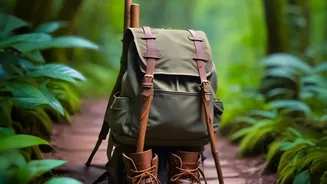
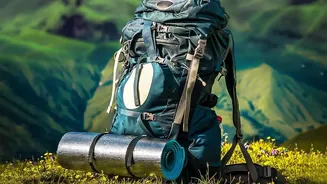
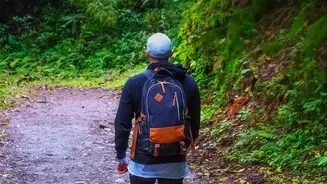
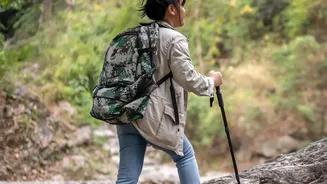
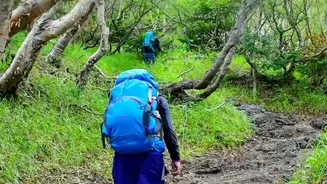
Beyond clothing, several items are non-negotiable for a safe monsoon trek. A backpack of 20-35 litres is typically sufficient for a day or weekend trek and must have a waterproof rain cover. Inside, pack essentials in smaller dry bags or zip-lock pouches to ensure they stay dry. A trekking pole provides an extra point of contact, significantly improving balance on slippery descents. Visibility can drop suddenly due to fog and rain, so a headlamp with extra batteries is crucial. Also carry a basic first-aid kit with antiseptic, bandages, and any personal medications. In leech-prone areas, which are common in the Ghats during monsoon, anti-leech socks are a worthwhile investment for peace of mind.
The Golden Rule: Leave No Trace
The increasing popularity of trekking puts immense pressure on fragile ecosystems. The 'Leave No Trace' philosophy is a simple set of ethics designed to minimize your impact. The most important principle is to pack out everything you pack in. This includes all food wrappers, plastic bottles, and even biodegradable waste like fruit peels, which decompose very slowly at altitude. Never leave any trash behind. By carrying your waste back to a proper disposal point in a town or city, you help preserve the pristine beauty of the trails for all future visitors.
Tread Lightly on the Trail
Respecting the natural environment goes beyond just managing waste. Always stick to the marked trails. Cutting corners or creating new paths causes soil erosion, damages delicate flora, and can lead you into unsafe, landslide-prone areas. When you encounter wildlife, maintain a respectful distance. Never feed wild animals, as this disrupts their natural behaviour and can be harmful to their health. Keep noise levels to a minimum; avoid using external speakers and opt for headphones if you wish to listen to music. This respects both the wildlife and the peace that other trekkers have come to enjoy.
Support and Respect Local Communities
Responsible trekking also involves a social dimension. Many trails in the Western Ghats pass through or near villages where local communities are the primary stewards of the land. Hiring a local guide or naturalist not only enhances your experience with their deep knowledge of the area but also provides a direct economic benefit to the community. When passing through villages, be mindful and respectful of local customs. Stay at registered, eco-friendly homestays where possible and purchase local products to contribute positively to the region’s economy. This ensures that tourism remains a sustainable livelihood that empowers, rather than displaces, the people who call the mountains home.