






The New 30-Day Rule Explained
In a significant policy shift this week, the Thai government confirmed it will continue to offer visa-free entry to Indian passport holders. This decision reverses earlier confusion caused by a proposal in May to scrap the facility, which had led to a noticeable
drop in arrivals from India. However, there’s a major change: the maximum visa-free stay has been reduced from 60 days to 30 days. According to Thailand's Tourism Minister, this new 30-day period is designed to better align with the typical travel patterns of Indian tourists, who are the third-largest group of visitors to the country after China and Malaysia. The move is a balancing act, aiming to support the vital tourism sector while also addressing concerns about the misuse of longer visa exemptions.
The Unspoken Rule: Proof of Return
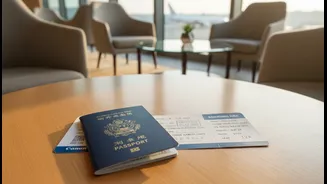
While visa-free entry sounds simple, immigration officials are increasingly focused on ensuring tourists do not overstay or engage in unauthorised work. This is where having a confirmed return or onward flight ticket becomes critical. Though not a new requirement, its enforcement is expected to be more stringent under the revised policy. Travellers may be asked at immigration to present proof that they intend to leave the country within the permitted 30-day window. This measure helps Thai authorities filter genuine tourists from those who might try to exploit the system. For Indian travellers, this means spontaneous, open-ended trips could become more complicated. Booking a return flight before departure is now less of a suggestion and more of a necessity for smooth entry.
The Insurance Question
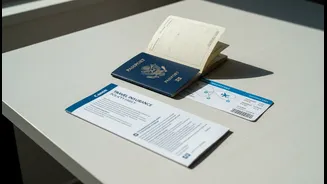
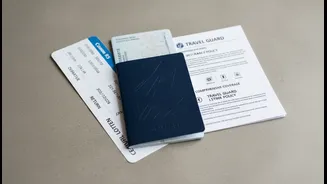
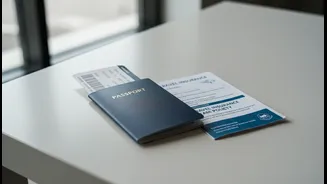
Currently, travel insurance is not a mandatory requirement for Indian tourists to enter Thailand. However, the Thai government has been actively discussing a proposal to make basic medical coverage compulsory for foreign visitors. This is largely due to the high costs of unpaid medical bills left behind by uninsured tourists. While the rule isn't in effect yet, carrying a comprehensive travel insurance policy is highly recommended. Private healthcare in Thailand can be expensive, and emergencies like scooter accidents or sudden illness can quickly run up significant costs. Insurance provides a crucial safety net, covering everything from hospitalisation to trip cancellations and lost luggage. Many seasoned travellers and travel experts consider it an essential, even if it's not officially required for entry.
Why Thailand Wants Longer, 'Better' Trips
Reducing the visa-free stay from 60 to 30 days might seem counterintuitive, but it ties into a broader strategy. Thai authorities are not just aiming for a high volume of tourists but for high-value tourism. By tightening rules, they aim to curb illegal activities and visitors who misuse tourist visas to work. The focus is shifting towards attracting travellers who plan structured, longer itineraries and contribute more to the local economy. Officials have noted that the travel behaviour of most genuine tourists fits within a 30-day window. Therefore, presenting a well-planned itinerary, including confirmed hotel bookings, can also help demonstrate your purpose as a tourist. The goal for Thailand is to ensure the visa-free scheme boosts the economy without straining local resources or creating social issues, making quality of visits as important as quantity.