


The 2026 midterm elections are over, but the world is holding its breath. With Democrats securing control of Congress, President Donald Trump’s 'America First' agenda faces a significant challenge, creating deep uncertainty for allies and rivals alike.
A Rebuke at the Ballot Box
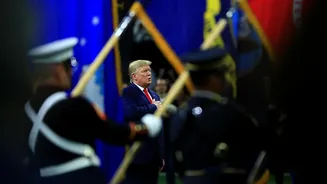
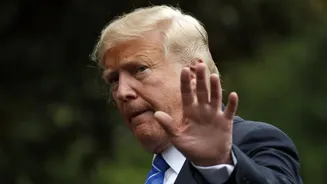
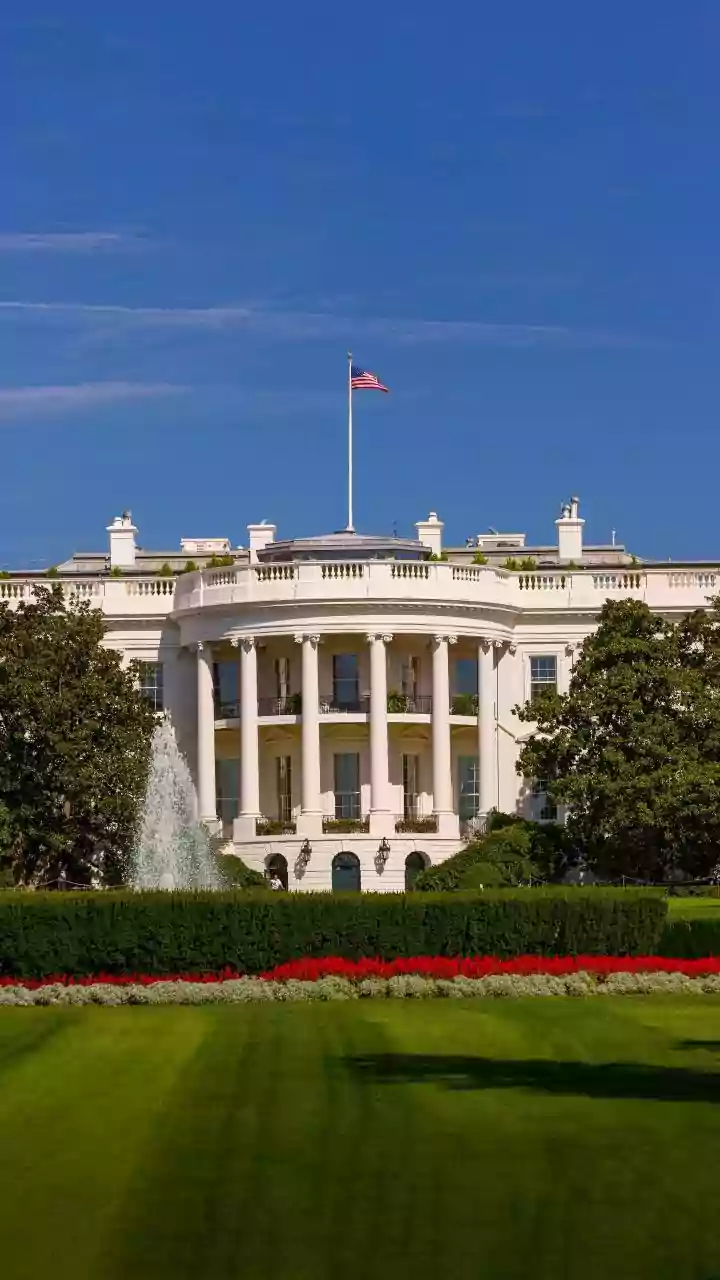
Voters delivered a sharp rebuke to the Republican party, driven by domestic concerns like high inflation and the cost of living, which many linked directly to foreign policy. The ongoing war with Iran, initiated in 2025, and broad tariffs have increased gas prices and the cost of goods, making foreign policy a rare and decisive factor at the ballot box. Polling showed a majority of voters felt the war in Iran was the wrong decision and a crucial factor in their vote. This outcome has left President Trump in a weakened position domestically, though he retains significant authority in foreign affairs. International leaders, particularly in Europe, greeted the results with a measure of relief, hoping for a less combative US approach.
Congress vs. The White House
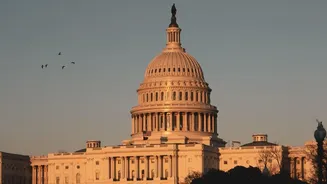
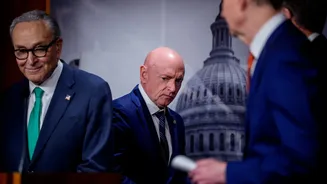
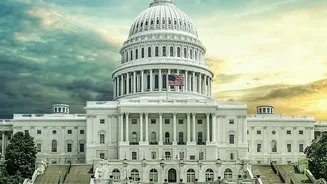
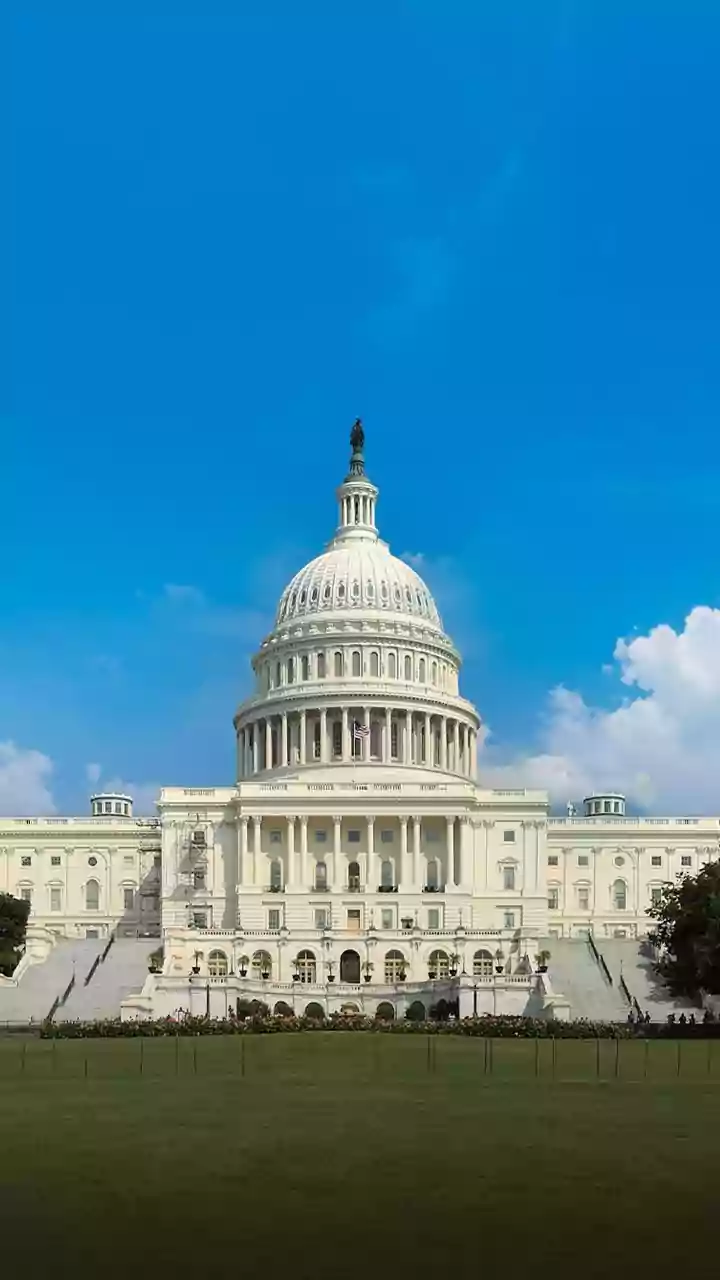
With Democrats controlling both the House and Senate, a new dynamic will define Washington for the next two years. The Democratic majority now has the power to control the legislative agenda, launch investigations, and use 'the power of the purse' to influence policy. A top priority for the new Congress is expected to be Ukraine. President Trump has suspended direct military aid to Kyiv, but there is strong bipartisan support for renewing it. Lawmakers may now be able to pass aid packages large enough to override a potential presidential veto. Democrats are also expected to scrutinize other aspects of Trump's foreign policy, including his administration's lifting of sanctions on Russian energy exports.
Global Flashpoints and Alliances
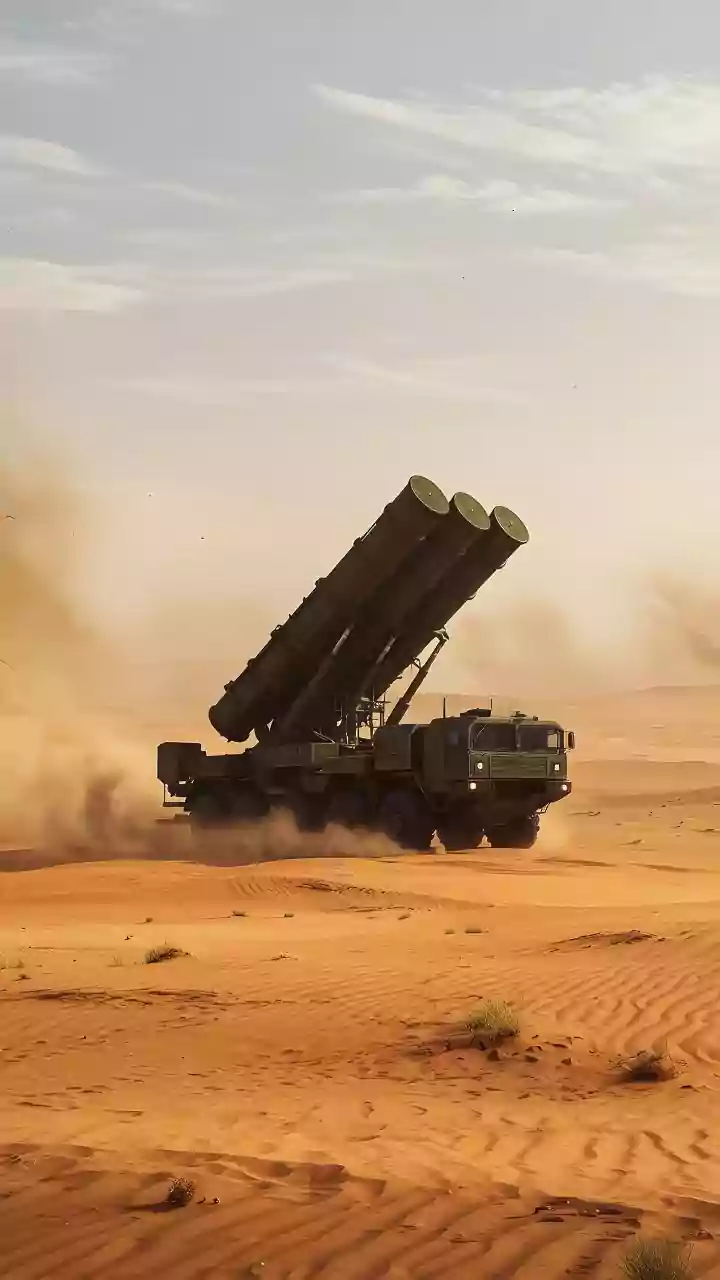
The election results don't guarantee a complete reversal of Trump's policies. The president still has broad latitude, and experts suggest he may lean more heavily on his executive authority in foreign policy, where Congress has less sway. This creates a landscape of deep uncertainty on several fronts. The future of US involvement in the war with Iran remains a key question, with some analysts warning Trump could escalate the conflict during the lame-duck session before Democrats take their seats. Relations with China are also in a state of flux. A trade truce was recently extended to January 2027, but core disputes over tariffs, technology, and security in the Indo-Pacific persist, with Congress pushing for a harder line on issues like critical mineral supply chains. For longtime allies, the uncertainty of American commitments is a major concern, prompting calls for Europe to build its own security sovereignty.
The World is Watching
International reaction to the midterms has been swift and varied. Many European leaders saw the Democratic victory as a rejection of divisive populism. Ukrainian President Volodymyr Zelensky expressed hope for increased American support, which he believes could pressure Russia to reconsider its approach to the war. China has maintained that the election is an internal US affair, calling for a constructive relationship. However, analysts believe that both allies and adversaries are likely to adopt a 'wait-and_see' approach, putting major strategic agreements on hold until the direction of US leadership becomes clearer heading into the 2028 presidential election cycle. This internal division in the US is seen by some as a signal of weakness, which could embolden rivals.