







The Old Guard Has Changed
For years, the formula was simple: what happened on the runways in Mumbai and the high-street stores of Delhi today would become the nation’s beauty standard tomorrow. But that era is decisively over. A cultural and digital revolution is decentralising
influence, moving the centre of gravity away from the traditional metropolitan hubs. According to a recent report from Flipkart, two out of every three beauty-related searches on the platform now originate from non-metro markets. Cities like Cuttack, Bardhaman, Gorakhpur, Kottayam, Guntur, and Jamnagar are no longer just consuming trends; they are actively shaping them. This shift is powered by Gen Z, a demographic that now drives nearly 60% of all beauty purchases on major e-commerce platforms. They are more informed, digitally savvy, and looking for authenticity that resonates with their own lives, not just an aspirational echo from a distant metropolis.
The Rise of the Relatable Influencer
The engine of this transformation is the rise of the regional creator. Armed with affordable data and smartphones, influencers from Tier-2 and Tier-3 cities are building massive, highly engaged communities on platforms like Instagram Reels and YouTube Shorts. Unlike their metro counterparts who often project an aspirational lifestyle, these creators connect through relatability and trust. Their followers see them as peers, not distant celebrities. This authenticity is driving a boom in vernacular content, where creators explain complex skincare ingredients or demonstrate makeup techniques in Hindi, Tamil, Bengali, and other regional languages. This linguistic and cultural connection makes their recommendations feel more genuine and trustworthy, leading to higher engagement and conversion rates. Brands have taken notice, with a Kofluence report from 2026 stating that Tier-3 and Tier-4 cities now account for nearly half of all influencer campaigns.
What's Trending? A Hyperlocal Vibe
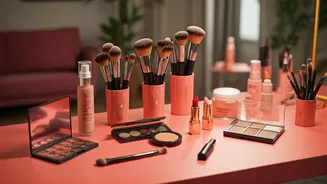
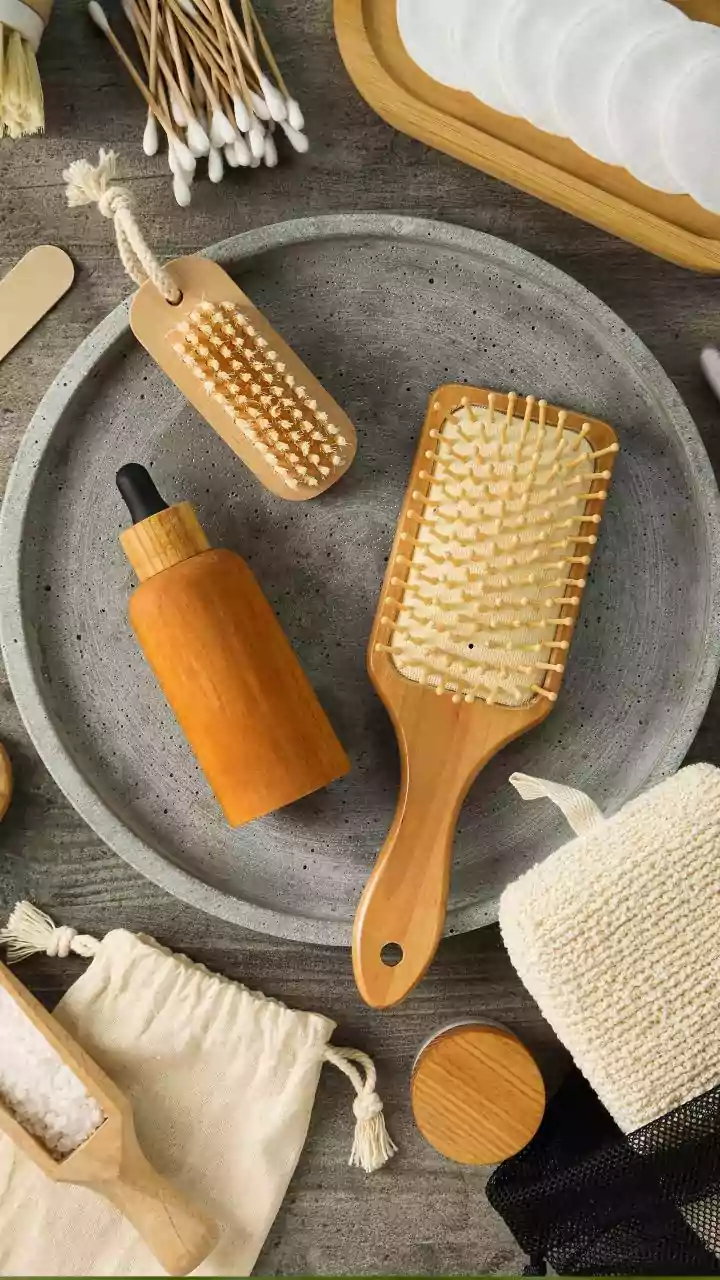
The trends emerging from non-metro India are a unique blend of global aesthetics and local sensibilities. While Y2K-inspired looks like glossy lips, frosted eyeshadows, and metallic eyeliners have a nationwide appeal, their interpretation varies. There is a growing demand for what's being termed 'PIN code beauty,' where trends are adapted to hyperlocal factors like climate and water quality. For example, consumers in Bengaluru might search for hard-water scalp care, while those in drier regions like Rajasthan look for intense hydration and barrier-repair products. There's also a significant move towards 'skinimalism'—a focus on healthy, glowing skin with minimal product use. This has fueled interest in science-backed skincare, with Gen Z consumers researching ingredients like niacinamide and peptides before purchasing. Simultaneously, there's a resurgence in homegrown Ayurvedic principles, with a preference for local brands that understand Indian skin and climate.
How Brands Are Adapting
This seismic shift has forced brands to rethink their strategies. The one-size-fits-all, metro-first approach is no longer viable. E-commerce platforms like Flipkart have seen their beauty and personal care categories grow by 50% year-on-year, largely fueled by this new customer base. In response, they are expanding their premium beauty, fragrance, and men's grooming offerings, which have seen growth rates of over 60%, 45%, and 65% respectively. Men's grooming, in particular, has become a breakout category with high search volumes for products like face wash and sunscreen for men. Quick commerce is also playing a role, with beauty ranking as a top category for impulse buys and fast delivery. Recognizing the power of local influence, companies are taking their marketing efforts directly to these new hubs. Flipkart, for instance, expanded its 'Glam Up Fest' to Guwahati, attracting over 600 regional content creators and plans to host more such events in other Tier-2 and Tier-3 cities.