


The Foundation: Clean Handling First
Food safety is the most critical aspect of packing for a journey. The basic rules are simple but non-negotiable. Always start with clean hands and sanitized utensils and containers. Cook all food, especially meats, thoroughly to kill any bacteria. Once
cooked, allow food to cool completely before packing. Trapping steam in a container creates moisture, which is a breeding ground for bacteria. For perishable items like salads, dairy, or certain meats, maintaining a cold temperature is key. A good quality cooler with plenty of ice packs is a wise investment for car travel. The goal is to keep cold food at or below 4°C to prevent bacterial growth.
Smart Packing for Freshness and Ease
How you pack is almost as important as what you pack. Use airtight and leak-proof containers to prevent spills and cross-contamination. Separating dry and wet foods is a classic strategy. Dry items like theplas, rotis, or parathas can be wrapped in aluminium foil or stored in breathable containers, while semi-dry sabzis or chutneys should be in sealed boxes. For easier access and to maintain the temperature of your main cooler, consider packing a smaller bag with the snacks and drinks you'll want to reach for frequently. This prevents you from constantly opening the main food cooler, which lets warm air in and compromises the cold chain.
The Low-Mess Hall of Fame
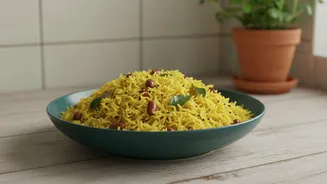
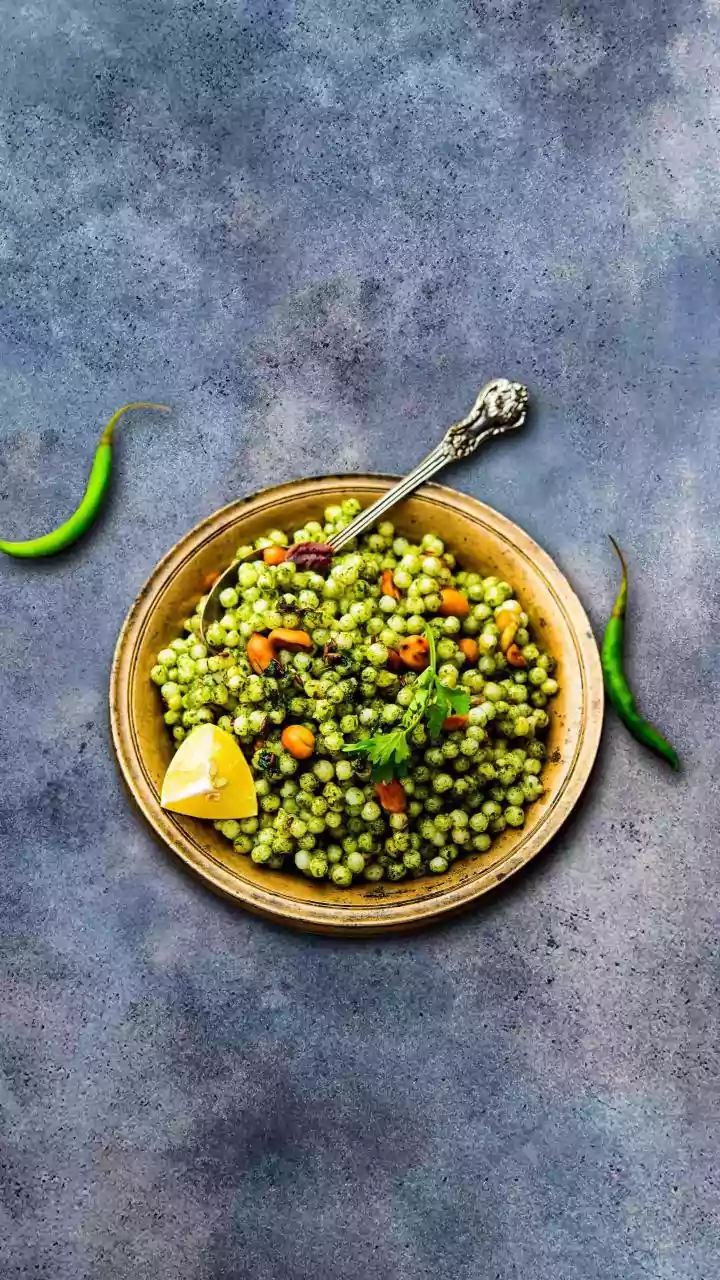
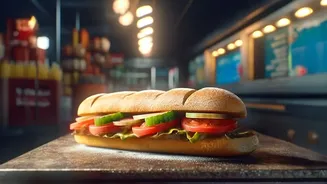
The best travel foods are easy to eat with minimal fuss and utensils. Indian cuisine offers a wealth of excellent options. Thepla, a Gujarati flatbread, is a travel champion because it stays fresh for days. Stuffed parathas (with fillings like potato or lentils), poori with a dry potato sabzi, and idlis with a dry chutney powder are all classic, mess-free choices. These items are naturally portioned and don't require gravy. Lemon rice is another fantastic option, as the lemon acts as a natural preservative while adding flavour. Sandwiches are also a great choice, but be mindful of fillings; avoid mayonnaise-based salads that spoil quickly and opt for drier fillings like vegetable cutlets or thick chutneys.
Foods to Leave Behind
Knowing what not to pack is crucial for a pleasant journey. Avoid foods with strong odours, which can be unpleasant for you and fellow travellers in an enclosed space like a train or car. Items that spoil quickly, such as creamy curries, dishes with raw eggs, or soft cheeses, are best avoided unless you have a reliable portable fridge. Very juicy fruits or dishes with thin, runny gravies are high-risk for spills and stains, turning a pleasant meal into a cleanup operation. Similarly, anything that requires complicated assembly on the go will likely cause more frustration than it’s worth. Stick to foods that are ready to eat as is.
Beyond the Meal: Smart Snacking
Long journeys often involve periods of light hunger between main meals. Packing smart snacks can keep energy levels up and prevent you from relying on unhealthy station or rest-stop options. Roasted makhana (fox nuts), roasted chana (chickpeas), and various nuts and trail mixes are excellent choices as they are dry, non-greasy, and packed with energy. Homemade treats like peanut chikki, sesame ladoos, or namak pare are also fantastic for their long shelf life and satisfying crunch. Whole fruits that you can peel, like bananas and oranges, are another safe and healthy option, as the peel provides a natural barrier against contamination.