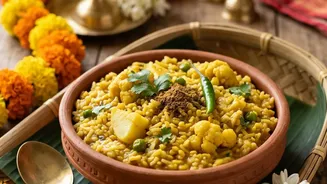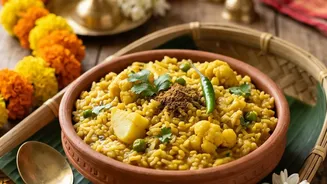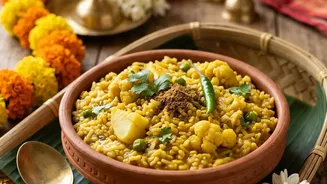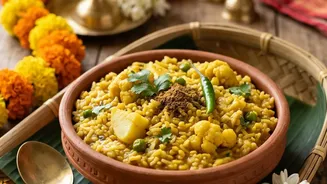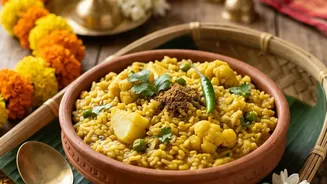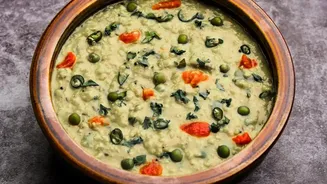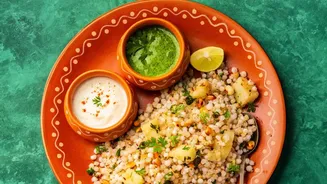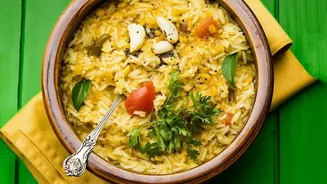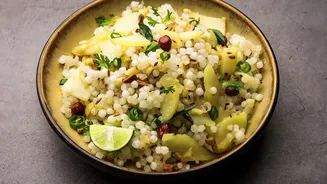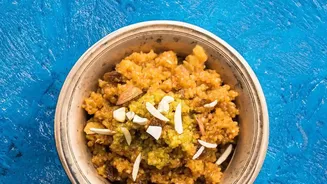


In the world of Indian comfort food, dalia and khichdi hold a special place. Both are hailed as wholesome, easy-to-digest meals, but are they the same? Let's settle the debate and explore what truly sets these two kitchen staples apart.
The Fundamental Ingredient Difference
The primary difference
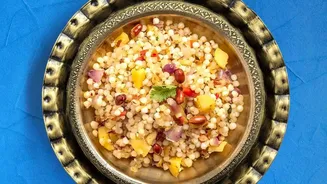
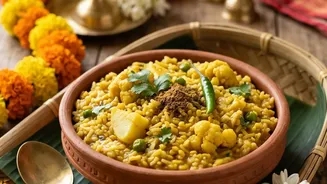
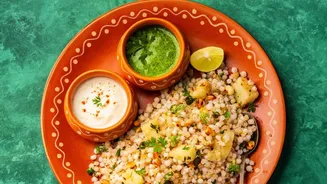
between dalia and khichdi lies in their core ingredients. Dalia is a specific ingredient: broken or cracked whole wheat. When cooked into a porridge, it's often also called dalia. It is made by coarsely milling whole wheat kernels, ensuring the nutrient-rich bran and germ remain intact. On the other hand, khichdi is a dish, not a single ingredient. Traditionally, it's a combination of two main components: rice and lentils (most commonly moong dal). This combination creates a one-pot meal that has been a staple in South Asian cuisine for centuries. So, simply put, dalia is a whole grain, while khichdi is a dish made from grains and legumes.
A Nutritional Showdown
Nutritionally, both dishes pack a punch, but their profiles serve different purposes. Dalia is a fibre powerhouse. Made from whole wheat, it is exceptionally high in dietary fibre, which is crucial for digestive health and promoting a feeling of fullness. Uncooked dalia contains about 12 grams of protein and 10-12 grams of fibre per 100g. It also has a low glycemic index (GI), around 41-55, meaning it releases sugar into the bloodstream slowly. Khichdi's strength lies in its protein quality. The classic combination of rice and lentils creates a 'complete protein,' providing all nine essential amino acids that the body needs for muscle repair and growth. A standard bowl of moong dal khichdi provides a balanced mix of carbohydrates and plant-based protein. However, its fibre content is more modest, typically around 3-4 grams per serving, depending on the ratio of dal to rice and the addition of vegetables.
Preparation and Culinary Versatility
Both dalia and khichdi are versatile, but they are used in distinct ways. Dalia can be prepared as a sweet or savoury porridge. A sweet version might involve cooking it with milk and sweetening it with jaggery or sugar, often served for breakfast. The savoury version, known as 'namkeen dalia,' is cooked with vegetables and spices, much like an upma or pulao, making for a hearty lunch or dinner. Khichdi is almost always a savoury dish. It's a one-pot meal where rice and dal are cooked together with ingredients like turmeric, cumin, ginger, and ghee. Its consistency can range from a thick, porridge-like texture to a more pilaf-style dish. It is incredibly adaptable and often includes a variety of seasonal vegetables like peas, carrots, and beans to boost its nutritional value.
Digestibility and When to Eat Them
When it comes to digestion, khichdi is often considered the gentler option. Its soft, mushy texture makes it famously easy on the stomach, which is why it's a go_to meal during illness, for young children, or for anyone with a sensitive digestive system. The combination of moong dal and rice is soothing for the gut. Dalia, while excellent for promoting regular bowel movements due to its high fibre content, can sometimes be harder to digest for those experiencing acute digestive issues. However, for long_term gut health and preventing constipation, dalia's prebiotic fibre is incredibly beneficial.
Which One Is Right For You?
Choosing between dalia and khichdi depends entirely on your health goals. Reach for dalia if your priority is weight management, blood sugar control, or increasing your fibre intake. Its ability to keep you feeling full for longer makes it an excellent choice for breakfast or a light dinner. Opt for khichdi when you need a comforting, easily digestible meal that provides complete protein for recovery and muscle maintenance. It’s the perfect choice for a light dinner or when your digestive system needs a break. You can also enhance its fibre and nutrient content by using brown rice or millets and adding plenty of vegetables.