
The Sun’s Invisible Threat
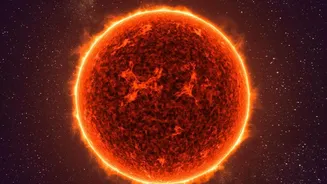
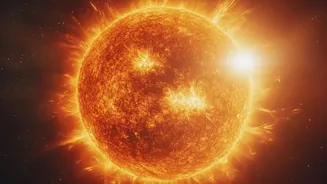
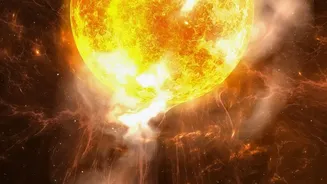
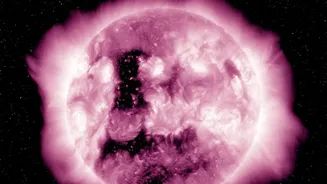
A coronal mass ejection, or CME, is a massive eruption of plasma and magnetic fields from the Sun's outer atmosphere, the corona. These colossal clouds of charged particles can travel at speeds of hundreds or even thousands of kilometres per second. While
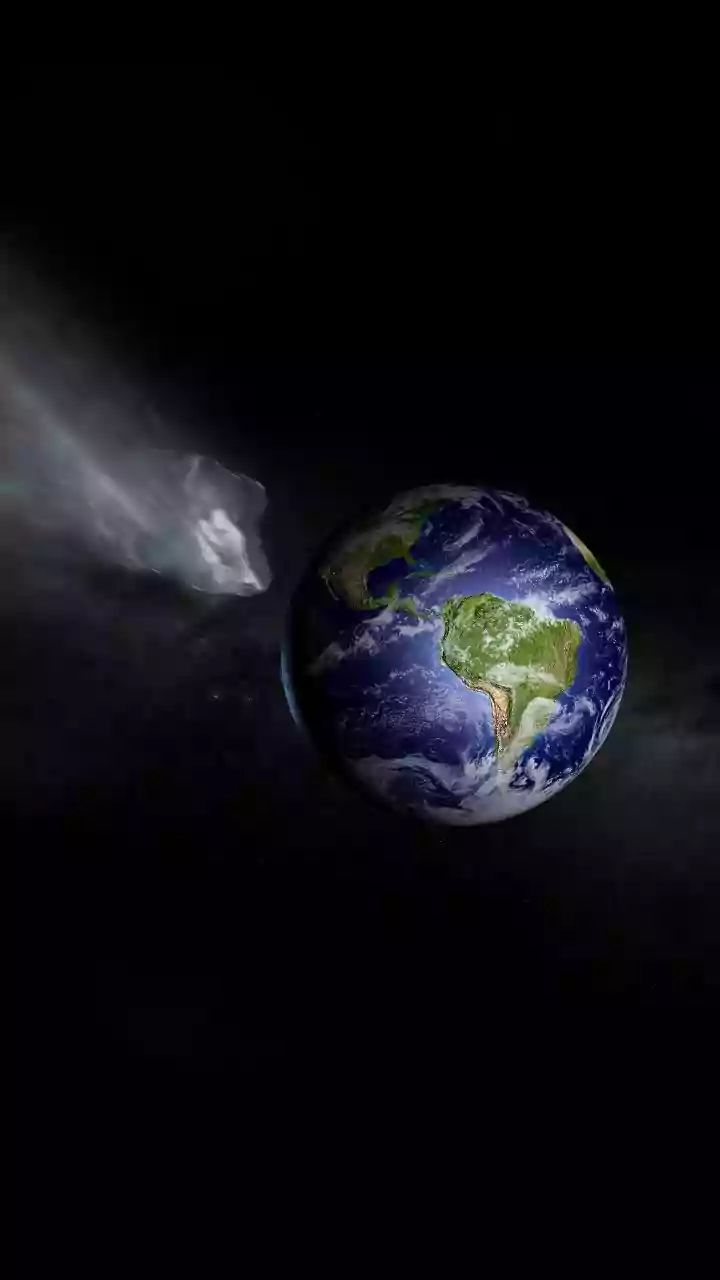
many miss our planet entirely, an Earth-directed CME poses a significant threat. If it collides with Earth's protective magnetic field, it can trigger a geomagnetic storm, leading to beautiful auroras but also causing serious disruptions. The danger is particularly acute for technology beyond our planet's atmospheric shield. This phenomenon, known as space weather, is a constant concern for space agencies worldwide.
High Stakes for Hardware and Humans
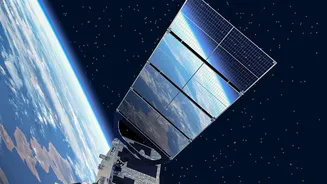
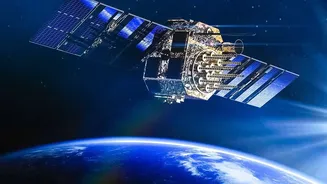
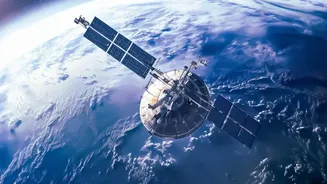
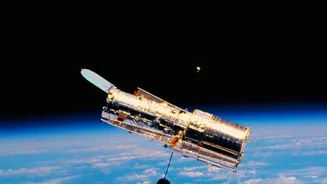
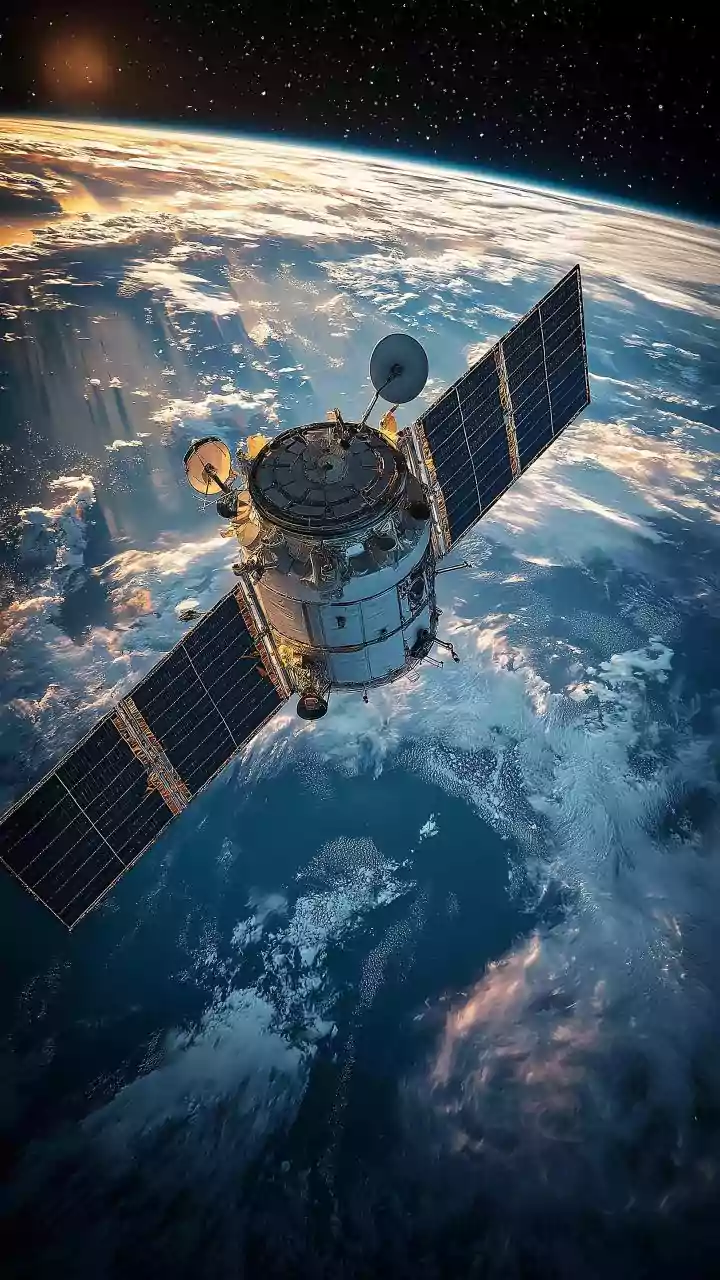
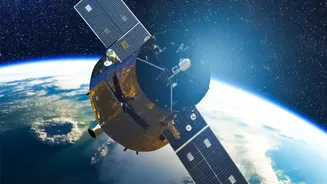
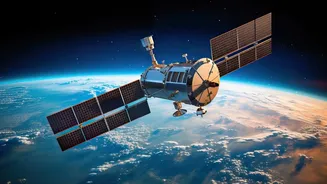
For spacecraft, including the vast network of satellites we rely on for communication, navigation (GPS), and weather forecasting, a direct hit from a CME can be catastrophic. The influx of high-energy particles can damage sensitive electronics, cause phantom commands, degrade solar panels, and even alter a satellite's orbit. In severe cases, it can disable a satellite completely. For astronauts, the risk is even more personal. Outside the protection of Earth's magnetosphere, they are vulnerable to dangerous doses of radiation, which can harm living tissue and increase long-term health risks. Protecting both multi-billion-dollar assets and human lives is a top priority.
The Power of Prediction
This is where simulations come in. Since we cannot stop a CME, the next best thing is to predict its arrival and impact accurately. Space agencies like NASA, the European Space Agency (ESA), and the Indian Space Research Organisation (ISRO) invest heavily in developing sophisticated computer models. These simulations act as digital crystal balls. By feeding data from solar observatories into complex physics models, scientists can forecast the path, speed, and intensity of a CME. Recent advancements have dramatically improved forecast accuracy. NASA's PUNCH mission, for example, has demonstrated the ability to predict a CME's arrival time at Earth with an accuracy of within 30 minutes, a massive improvement over older methods.
From Digital Forecast to Physical Protection
An accurate forecast is useless without a plan of action. Timely warnings from simulations give spacecraft operators crucial hours or days to prepare. For satellites, protective measures can include temporarily shutting down non-essential systems or placing the entire craft into a protective 'safe mode' to prevent electrical damage. For crewed missions, the response is even more critical. Astronauts on the International Space Station or on future deep-space missions can be instructed to move to heavily shielded areas of their spacecraft, often called storm shelters. These shelters utilize dense materials, including the spacecraft's own water and food supplies, to block incoming radiation.
India’s Eye on the Sun
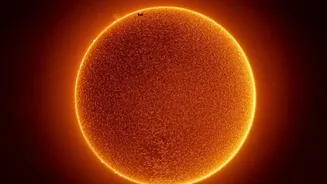
India is a key player in this global effort with its Aditya-L1 mission. Positioned at a special point 1.5 million kilometres from Earth, Aditya-L1 has an uninterrupted view of the Sun. Its suite of instruments provides crucial data on the Sun's activity, including the initiation of CMEs. This data not only enhances our fundamental understanding of solar physics but also feeds into the global models that improve space weather forecasting. Aditya-L1's observations have already provided unprecedented insights into CME events, solidifying India's role in the international scientific community dedicated to monitoring solar hazards.