








What Exactly Is El Niño?
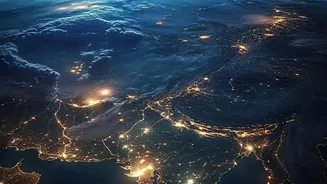
El Niño, which translates to "The Little Boy" in Spanish, is the warm phase of a recurring climate cycle called the El Niño-Southern Oscillation (ENSO). It occurs when sea surface temperatures in the central and eastern equatorial Pacific Ocean become
significantly warmer than average. This change in ocean temperature might seem distant, but it triggers a cascade of atmospheric effects that alter weather patterns across the globe. El Niño events typically happen every two to seven years and can last for nine to twelve months, sometimes longer. They are associated with a weakening of the easterly trade winds, which normally push warm surface water towards Asia. When these winds slacken, the warm water spreads eastward, setting the stage for major climatic disruptions.
The Critical Monsoon Connection
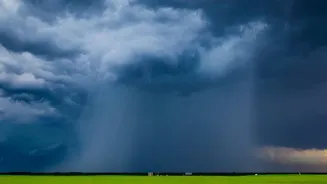
For India, the most critical impact of an El Niño is its historical correlation with a weaker southwest monsoon. The monsoon, which delivers about 70-75% of India's annual rainfall, is vital for the country's agriculture-dependent economy. During an El Niño year, the atmospheric changes can suppress the formation of rain-bearing clouds over India, leading to deficient rainfall and prolonged dry spells. Forecasts for 2026 have already pointed towards a below-normal monsoon season precisely because of the expected development of strong El Niño conditions. As of September 2026, reports indicate India is on track for one of its driest monsoons in years, with a rainfall deficit already around 15% below the long-term average.
A Looming Threat to Crops and Farmers
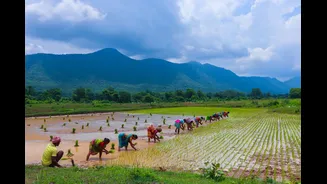
A weak monsoon is a direct threat to India's agricultural sector. Nearly 60% of the country's farmland is rain-fed, making it highly vulnerable to erratic weather. The primary concern is the impact on kharif (summer) crops like rice, pulses, cotton, and maize, which are sown during the monsoon. Deficient rainfall can delay sowing, stunt crop growth, and ultimately lead to lower yields. This not only reduces farmer incomes but also poses a risk to national food security. The consequences can extend to the rabi (winter) crop season as well, because poor monsoon rains fail to adequately replenish soil moisture and water reservoirs needed for winter irrigation.
Strain on Precious Water Resources
The impact of a poor monsoon goes beyond the fields. It places immense strain on India's water resources. Reduced rainfall leads to lower water levels in the country's major reservoirs, which are crucial for drinking water supply, irrigation, and hydroelectric power generation. As of late 2026, India's reservoirs are already reported to be drier than usual due to the erratic monsoon. This scarcity can lead to water rationing in cities and rural areas alike. Furthermore, lower reservoir levels cripple hydropower capacity, potentially forcing a greater reliance on coal-fired power plants to meet electricity demands, which are often higher during the hotter conditions associated with El Niño.
The Ripple Effect on Everyday Life and the Economy
The effects of El Niño ripple through the entire economy and are felt in the daily lives of ordinary citizens. A drop in agricultural output can quickly lead to rising food prices, particularly for essentials like vegetables, pulses, and cereals, putting pressure on household budgets. This food inflation becomes a major challenge for economic stability. Beyond the grocery bill, weaker rural incomes reduce demand for a wide range of goods, from tractors and two-wheelers to consumer products, slowing down overall economic growth. In extreme cases, the combination of heatwaves and water scarcity can also lead to public health challenges.