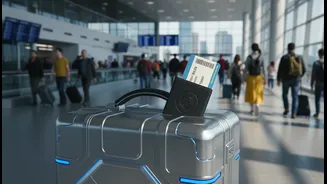









The Rise of the Micro-Break
Instead of saving up for one big trip, younger travellers are opting for several smaller getaways throughout the year. This trend, dubbed the 'micro-break' or 'micro-cation', perfectly aligns with Gen Z values: flexibility, spontaneity, and a focus on experiences
over possessions. Driven by hybrid work schedules and a desire for a better work-life balance, these short trips offer a mental reset without the extensive planning or time off required for a long holiday. A quick weekend escape to a nearby city or a three-day nature retreat can provide the novelty and relaxation needed to recharge, making travel feel less like a once-a-year event and more like an integrated part of life.
The Hidden Cost of Spontaneity
While a single micro-trip feels affordable, the costs multiply quickly across several trips. The biggest danger lies in the small, repeated expenses that are easy to overlook. Each trip comes with its own set of booking fees, service charges, and transport costs. Unlike a single, well-planned vacation where you might absorb these costs once, with micro-breaks, you're paying them over and over. Airlines and hotels use dynamic pricing, which means that last-minute bookings—a hallmark of spontaneous travel—are almost always more expensive. What seems like a small premium on one trip can become a significant drain on your finances when repeated multiple times a year.
Why Transport Is a Major Drain
Transportation is often the single biggest variable cost in frequent travel. That 'cheap' last-minute flight might not be so cheap once you factor in baggage fees, seat selection, and the higher price that comes with booking close to your departure date. Even driving has hidden costs. Frequent short trips are harder on a car's engine, battery, and fuel efficiency, leading to higher maintenance and running costs over time. Furthermore, travellers often forget to budget for 'last mile' transport—the expensive taxi or ride-share from the airport or train station to the final destination, which can add a significant, unplanned cost to every single trip.
Mastering the Art of Smart Booking
Enjoying micro-breaks without going broke requires a shift in mindset from spontaneous booking to strategic planning. Start by setting up price alerts for flights and hotels in destinations you're interested in; this lets you grab deals when they appear. Booking travel during the off-peak or 'shoulder' seasons can also lead to significant savings. Consider all your transport options. A train or bus might be cheaper and more comfortable than a last-minute flight, especially when you factor in the time and cost of getting to an airport. Finally, make loyalty programs your friend. Consolidating your bookings with one or two airline and hotel groups can help you accumulate points that can be redeemed for free flights and stays, effectively funding a future micro-break.
Budgeting Beyond the Big-Ticket Items
A successful travel budget accounts for more than just flights and accommodation. Daily expenses like food, local transport, and activities are where costs can spiral. With multiple trips, these costs stack up. A great strategy is to create a dedicated 'micro-break fund' where you set aside a manageable amount each month. This turns travel from an impulsive purchase into a planned expense. Before you go, research free activities like walking tours, parks, and local markets. Opting for accommodation with a small kitchen, like an Airbnb, can also cut down costs by allowing you to prepare some of your own meals instead of eating out for every meal. Planning for these smaller details ensures your quick getaway remains both fun and financially sustainable.