
The Danger of a Damp Coat
While your dog might love splashing in puddles, their coat can trap moisture for hours, especially in humid post-monsoon weather. This damp, warm environment against the skin is an ideal breeding ground for yeast and fungi, like Malassezia. This naturally
occurring yeast can multiply uncontrollably in these conditions, leading to an inflammatory skin condition known as fungal dermatitis. This can cause intense itching, redness, and a distinct musty odour, turning your happy pup into an uncomfortable, itchy mess. Breeds with thick undercoats, skin folds, or floppy ears are particularly susceptible.
Master the Post-Walk Drying Routine
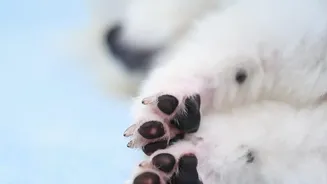
The single most important step is to dry your dog thoroughly after any exposure to moisture, be it a walk on wet grass or a full bath. A simple towel-down often isn't enough. Start with an absorbent microfiber towel, paying special attention to friction areas like armpits, the groin, under the collar, and between the paw pads. For dogs with dense fur, a pet-specific hair dryer on a low-heat, low-speed setting is essential to ensure the undercoat is completely dry. Making this a non-negotiable part of your routine is the first line of defence against moisture-related skin issues.
Upgrade Your Grooming and Paw Care
Regular grooming becomes even more critical in damp weather. Daily brushing helps to remove loose fur, prevent matting that traps moisture, and improve air circulation to the skin. Paw care is equally vital. After every walk, wash your dog’s paws with lukewarm water to remove mud and potential allergens. Check between their toes for redness or debris. Applying a pet-safe paw balm can help keep the pads from cracking, which can create an entry point for infections. For dogs prone to skin issues, using a vet-recommended antifungal powder can offer an extra layer of protection in high-risk areas.
Know the Early Warning Signs
Catching a problem early can prevent weeks of discomfort for your pet. Be vigilant for the first signs of a skin infection. This includes persistent scratching, chewing, or licking of a specific area. Look for visible changes like redness, flaky skin, crusty patches, or small red bumps. Another key indicator is a change in smell; a musty, cheesy, or unusually strong "doggy" odour often signals a yeast overgrowth. You may also notice greasy fur or patches of hair loss. Don't dismiss excessive paw licking or head shaking, as these are common signs of irritation in the paws and ears, respectively.
Support Skin Health from Within
A healthy coat and skin start from the inside. A strong immune system is better equipped to keep fungal and bacterial populations in check. Ensure your dog is on a balanced, high-quality diet. Many veterinarians recommend supplementing with Omega-3 and Omega-6 fatty acids, which are known to support skin health, reduce inflammation, and improve coat quality. Always make sure your pet has access to clean, fresh drinking water. Proper hydration is crucial for healthy skin, even when the weather is cool and damp.
When to Call the Veterinarian
While preventative care can handle a lot, some issues require professional medical attention. If the itching is intense, if you see open sores or pus, or if the problem doesn't improve with a better drying and cleaning routine, it's time to visit the vet. These symptoms suggest an established infection that may require medicated shampoos, topical creams, or even oral antifungal medications to resolve. Your vet can perform tests to accurately diagnose the specific type of infection—whether it's fungal, bacterial, or both—and prescribe the right course of treatment.