



The Humble, Mighty Dal
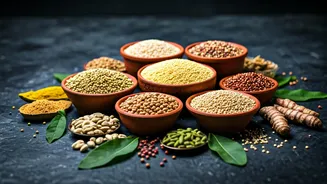
At the heart of Indian budget cooking lies the humble dal. Lentils are a nutritional powerhouse, packed with protein, fibre, and essential minerals like iron and magnesium. A simple dal tadka is not just comfort food; it's one of the most cost-effective
ways to get high-quality plant-based protein into your diet. Whether you prefer toor (pigeon pea), masoor (red lentil), or moong (split green gram), a bowl of dal provides sustained energy and keeps you feeling full. To make a basic dal, simply boil the lentils with turmeric and salt until soft. For the tadka (tempering), heat a little ghee or oil, sizzle some cumin seeds (jeera), mustard seeds (rai), dried red chillies, and garlic, and pour it over the cooked dal. It’s a complete, nourishing meal when served with rice or roti.
The Power of Seasonal Sabzi
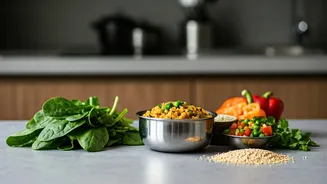
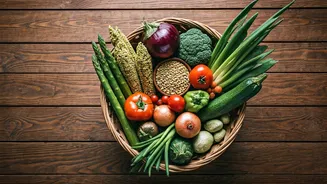
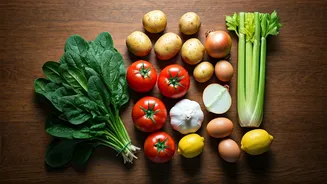
The secret to an affordable and nutrient-rich vegetable dish (sabzi) is to embrace seasonality. Vegetables that are in season are not only cheaper and fresher but also at their nutritional peak. Instead of seeking out broccoli or bell peppers year-round, look for what’s abundant at your local market. In summer, that might be bottle gourd (lauki) or okra (bhindi); in winter, it could be cauliflower (gobi) and spinach (palak). A simple and healthy mixed vegetable sabzi can be made by lightly sautéing chopped onions, tomatoes, and ginger-garlic paste. Add your chosen seasonal vegetables, sprinkle with basic spices like turmeric (haldi), coriander (dhania) powder, and a pinch of garam masala, and cook until tender. This approach ensures a diverse intake of vitamins and minerals without straining your wallet.
The Versatile Egg Bhurji
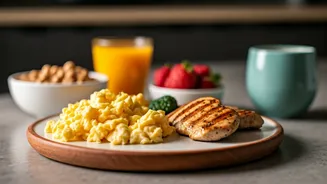
For a quick, cheap, and incredibly satisfying protein boost, few things beat the egg. Eggs are a complete protein source, containing all nine essential amino acids. While there are countless ways to cook them, egg bhurji (Indian-style scrambled eggs) is a fantastic option for a fast and filling meal. To prepare it, sauté chopped onions, tomatoes, and green chillies in a pan. Once softened, add whisked eggs and scramble them with a dash of turmeric and salt. The entire dish comes together in under 10 minutes. Served with a couple of rotis or whole-wheat bread, egg bhurji transforms into a balanced meal perfect for breakfast, lunch, or a light dinner. It’s proof that you don’t need expensive cuts of meat to meet your protein needs.
Millet Khichdi for Modern Health
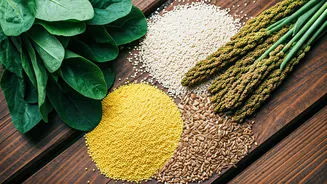
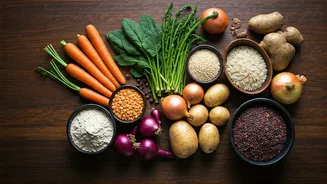
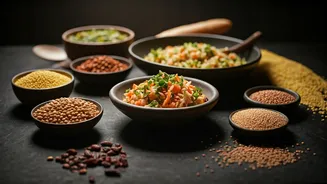
While rice is a staple, traditional Indian millets like jowar (sorghum), bajra (pearl millet), and ragi (finger millet) are making a well-deserved comeback. These ancient grains are often cheaper than refined grains, naturally gluten-free, and boast a superior nutritional profile. They are high in fibre, which aids digestion, and have a lower glycemic index, making them excellent for blood sugar management. A fantastic way to incorporate them is by making a millet khichdi. Simply replace rice with your millet of choice and cook it with moong dal, vegetables, and mild spices. This one-pot meal is not only deeply comforting and easy to digest but also packed with complex carbohydrates, protein, and micronutrients. It’s a modern, healthy twist on a timeless classic.
Sprouted Moong Salad: No-Cook Nutrition
Looking for a healthy meal that requires zero cooking? Sprouted moong bean salad is your answer. Sprouting beans at home is incredibly easy and costs next to nothing. Simply soak whole moong beans overnight, drain them, and leave them in a covered container for a day or two until they sprout. The process of sprouting unlocks nutrients and makes them easier to digest. These sprouts are bursting with protein, fibre, vitamins, and live enzymes. For a refreshing and crunchy salad, combine a bowl of sprouted moong with finely chopped onion, tomato, and cucumber. Squeeze some fresh lemon juice over it, add a pinch of salt and chaat masala for flavour, and your zero-cost, high-nutrition meal is ready.