







The Picture-Perfect Promise
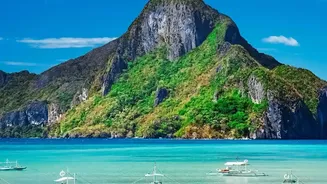
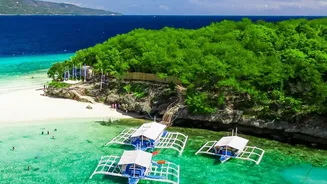
There is no denying El Nido’s spectacular beauty. For years, it has been lauded as one of the world's premier island destinations, a jewel of the Philippines famous for its dramatic landscapes and vibrant marine life. Island-hopping tours promise days
spent discovering hidden beaches, snorkelling in impossibly clear water, and kayaking through serene lagoons like the iconic Big Lagoon and Small Lagoon. This powerful imagery, amplified by social media, has turned El Nido from a quiet fishing town into a global tourism hotspot, drawing hundreds of thousands of visitors annually who seek to capture their own piece of paradise. The allure is understandable; the promise is a once-in-a-lifetime encounter with nature at its most majestic.
The Reality of Peak Season
The very popularity that makes El Nido a bucket-list destination is also its biggest challenge, especially during peak travel periods. The dry season, running from December to April, sees a massive influx of tourists. The busiest times are Christmas, New Year, Chinese New Year, and Holy Week, when tour boats sell out days in advance and prices for everything soar. The experience on the water changes dramatically. Instead of serene lagoons, visitors often find a traffic jam of outrigger boats. Popular spots can feel less like a natural wonder and more like a queue, with dozens of kayaks and hundreds of people vying for the same perfect photo. This congestion dilutes the magic, turning moments of quiet awe into a shared, and often noisy, public event.
More People, More Problems
The strain of overtourism extends beyond the visitor experience. Such rapid growth has put immense pressure on El Nido's infrastructure and fragile ecosystems. Issues like waste management and water quality have become significant concerns for local authorities and environmental groups. While the local government has implemented measures to manage the impact, including banning single-use plastics and building a new sewage treatment plant, the sheer volume of people poses a continuous challenge. In response to overcrowding at key sites, carrying capacities have been introduced for the Big and Small Lagoons, limiting the number of visitors and boats allowed at any given time to preserve the environment. The Eco-Tourism Development Fee, which helps fund these conservation efforts, was also increased in 2024 to support sustainability projects.
How to Visit El Nido the Right Way
To call El Nido 'overrated' is to miss the point—it's the timing and approach that matter. The key to experiencing its true charm is to avoid the peak-season crush. The shoulder months of May and November offer a sweet spot, with good weather but significantly fewer crowds. For those on a budget who don't mind a bit of rain, the low season from June to October can offer moments of solitude and a more authentic feel, though some tours may be cancelled due to weather. Booking tours on weekdays instead of weekends can also make a noticeable difference. By choosing a less crowded time to visit, you not only get a better, more peaceful experience but also reduce the strain on the environment and local infrastructure, contributing to the sustainable future of this beautiful destination.