

The Lithium Bottleneck
For years, the electric vehicle revolution has been powered by lithium-ion batteries. They are relatively energy-dense and have a proven track record. However, lithium has a downside: it's expensive. The raw material is often called "white gold" for a reason.
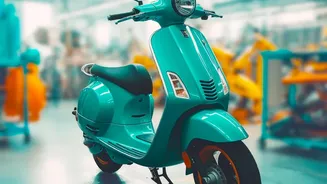
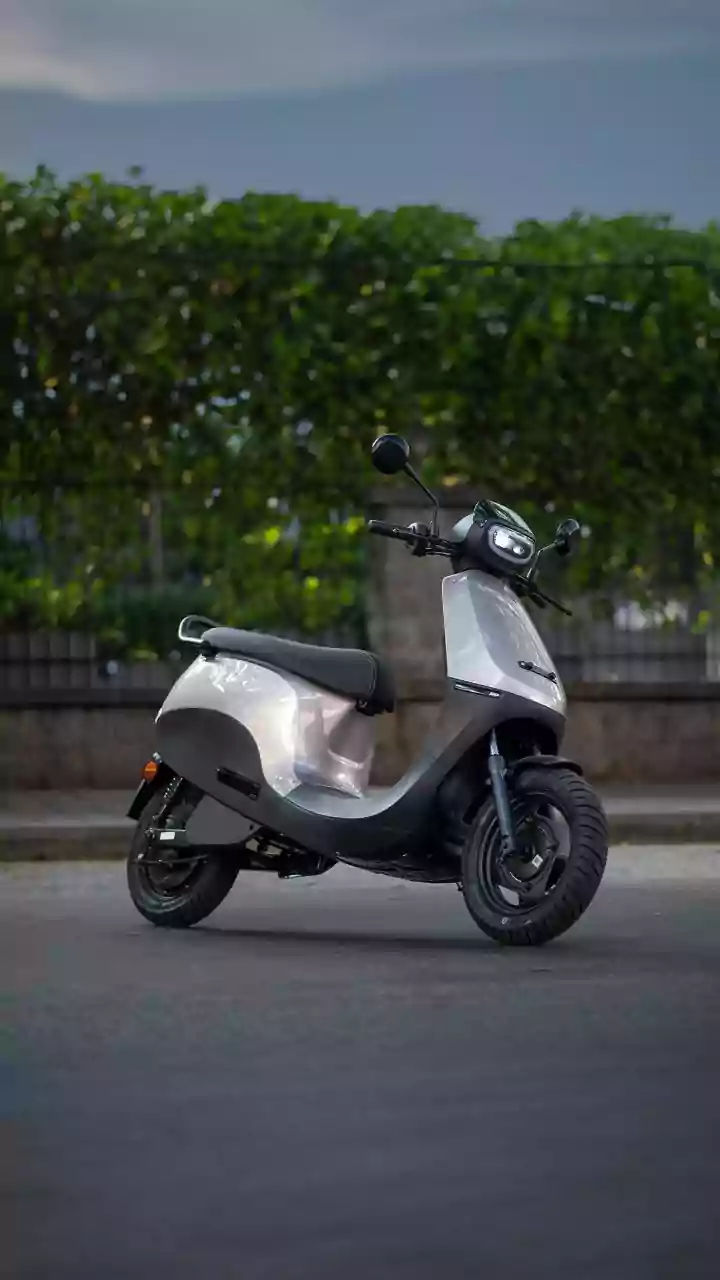
Its price can be volatile, and supply chains are often concentrated in a few countries, creating geopolitical and logistical risks. For electric scooter manufacturers aiming to capture India's mass market, the high cost of lithium-ion battery packs has been a persistent barrier, keeping the final showroom price just out of reach for a large segment of potential buyers.
The Salt Solution: Sodium-Ion Batteries
Enter the sodium-ion battery, a technology that swaps out expensive lithium for one of the most abundant and inexpensive materials on Earth: sodium, the same element found in common table salt. Sodium is about 1,000 times more abundant than lithium, and its price is far more stable. This fundamental material difference provides a massive cost advantage. Manufacturers can use aluminium foil instead of more expensive copper in parts of the battery, further trimming costs. While still an emerging technology, companies in India are already developing these batteries, some using agricultural waste to create key components. The promise is clear: a more affordable, sustainable, and locally sourced battery solution for the country's EV ambitions. These batteries also boast better safety profiles, with less risk of overheating than some lithium-based chemistries.
Silicon's Role: Boosting Performance
While sodium-ion tackles the core material cost, another innovation is happening on the performance side with silicon anodes. Most current lithium-ion batteries use graphite in the anode. Silicon, however, can theoretically store about ten times more energy than graphite in the same amount of space. This increased energy density means manufacturers can either build scooters with a much longer range or, more importantly for cost, create smaller, lighter, and therefore cheaper battery packs for the same range. While pure silicon anodes face challenges with swelling and durability, engineers are cleverly blending silicon with graphite. This approach improves energy density and charging speeds without a major cost increase, as adding silicon can be cheaper than the graphite it displaces.
Translating Tech to Scooter Prices
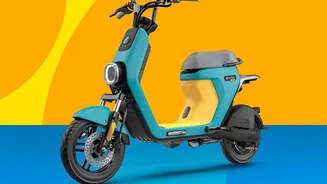
So how does this all add up to a cheaper scooter? It's a two-pronged attack on the battery pack, which is the single most expensive component. First, sodium-ion chemistry drastically lowers the baseline cost of raw materials. Projections suggest that by late 2026 or 2027, sodium-ion cells will be structurally cheaper than their mainstream lithium counterparts. Second, incorporating silicon into anodes allows for more efficient battery designs. A higher energy density means fewer cells are needed to achieve a target range, directly reducing material and assembly costs. For scooter manufacturers, this means a significant reduction in their bill of materials, a saving that can be passed directly to the consumer, potentially lowering the final price of an electric scooter by a significant margin.
Challenges and The Road Ahead
Despite the immense potential, these technologies are not without their hurdles. Sodium-ion batteries currently have lower energy density than lithium-ion, meaning they are larger and heavier for the same amount of power, making them better suited for scooters and stationary storage than high-performance cars. While costs are projected to fall, some early sodium-ion packs can still be more expensive than mature lithium technologies due to the current scale of manufacturing. Similarly, silicon anodes need careful engineering to manage swelling and ensure a long lifespan. However, the pace of innovation is rapid. Major manufacturers are already commercializing sodium-ion batteries, and the technology is improving quickly, with energy density now approaching that of common LFP lithium batteries.