





The clouds have retreated, leaving behind a stark reality. India's 2026 monsoon was officially declared deficient, marking one of the driest seasons in over a decade. This isn't just a concern for farmers; it’s a critical warning for our cities.
A Season of Scarcity
The numbers
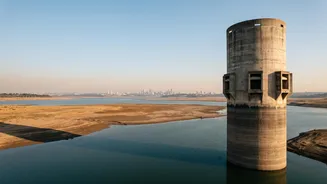
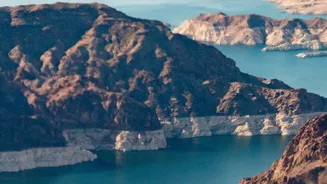
from the India Meteorological Department (IMD) paint a concerning picture. The country received rainfall that was 12.6% below the long-period average, the weakest performance since 2015. The season was erratic, with a severely deficient June followed by a brief recovery in July, only to weaken again through August and September. This shortfall has a direct impact on the reservoirs that serve as the lifeline for millions of urban residents, raising alarms about water availability in the months ahead. The regional disparities were stark, with southern and northeastern India facing significant deficits, stressing water systems that are already under pressure.
The Urban Water Trap
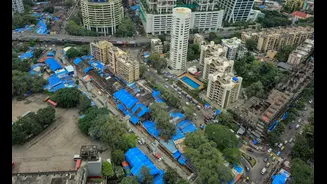
Our cities are caught in a dangerous paradox. They are centres of economic growth but are increasingly vulnerable to water stress. This vulnerability is not just due to poor rainfall. Rapid, often unplanned, urbanisation has led to the concretization of vast areas, preventing rainwater from naturally seeping into the ground and recharging depleted aquifers. As a result, cities become vast, impermeable surfaces that repel water, leading to flash floods during brief, intense spells of rain and acute scarcity during dry periods. Many urban centres depend excessively on groundwater, which is being extracted faster than it can be replenished, or on distant river basins that are themselves stressed. This creates a fragile system where a single bad monsoon can trigger a full-blown crisis, as cities like Chennai have experienced in the past.
Rethinking Our Relationship with Rain
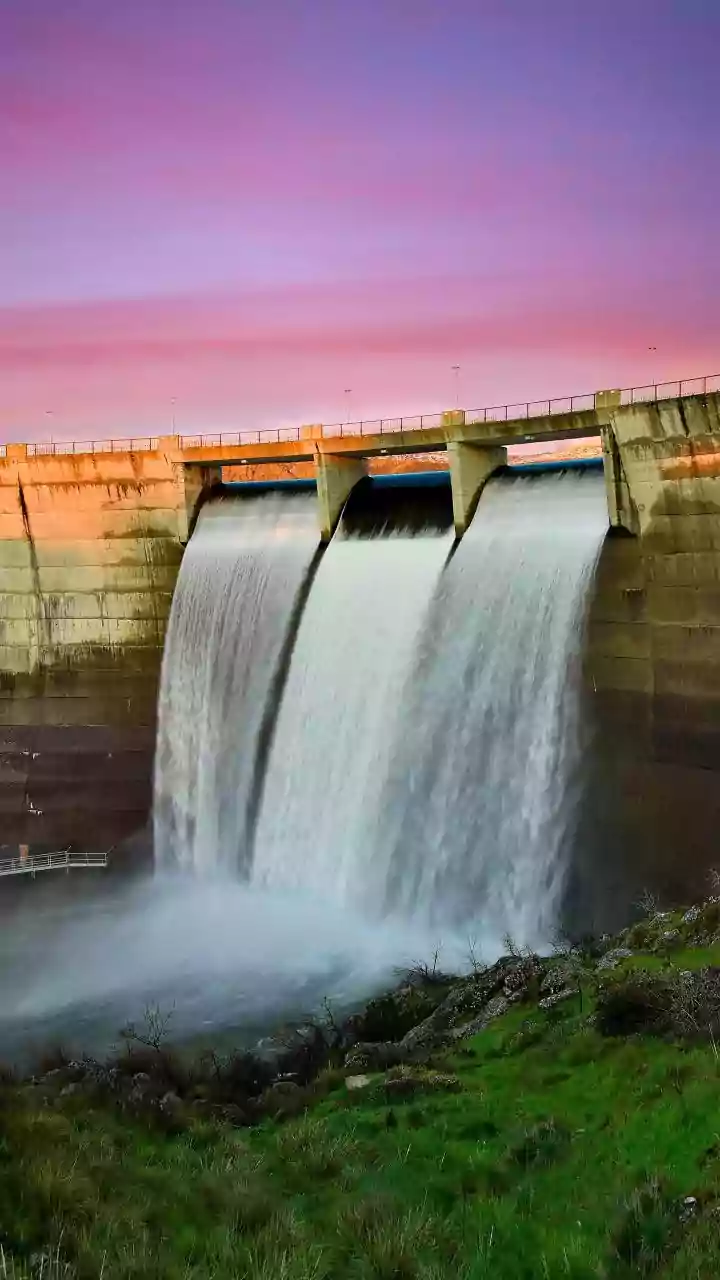
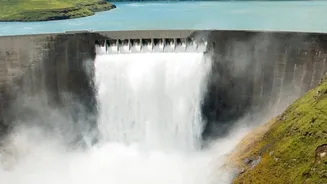
For too long, the primary approach to water management has been to build bigger dams and longer pipelines. A weak monsoon exposes the limitations of this supply-focused strategy. The real solution lies in fundamentally changing how cities manage the water they receive. This means shifting focus from simply collecting water to creating a circular and sustainable water economy. It involves a combination of ancient wisdom and modern technology, turning our cities from water-guzzlers into water-catchments. The goal is to capture every possible drop, use it efficiently, treat wastewater, and reuse it, reducing the reliance on strained natural sources.
Blueprint for a Water-Secure City
The path to water resilience is well-documented and involves several key strategies. Rainwater Harvesting (RWH) is paramount. Making RWH systems mandatory for all new buildings, as states like Tamil Nadu have done, can significantly boost groundwater levels. This involves rooftop collection systems for immediate use and larger community-led projects to channel runoff into percolation pits and recharge wells. Equally important is protecting and reviving our urban water bodies—lakes, ponds, and wetlands—that act as natural sponges. Modern approaches also include using permeable materials for pavements and public spaces and investing heavily in wastewater treatment plants that turn sewage into a resource for industrial or agricultural use. These initiatives not only combat water scarcity but also mitigate urban flooding.