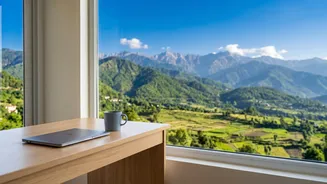


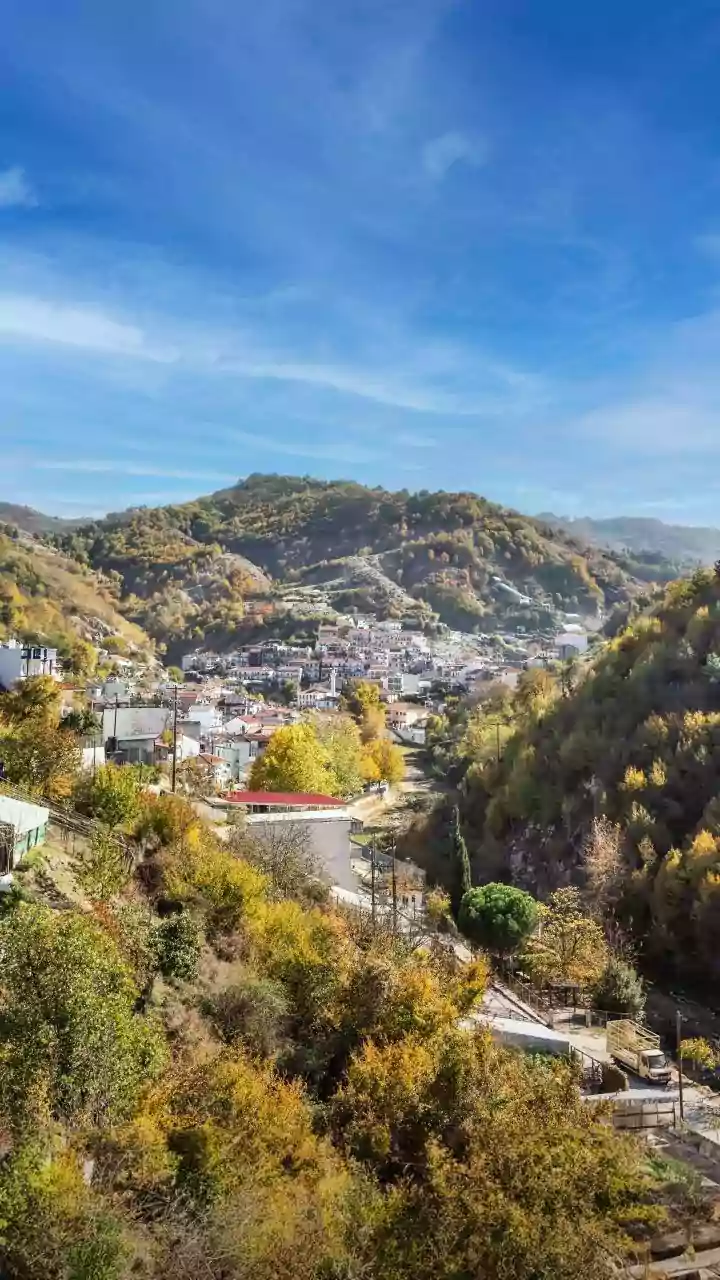


The Allure of Autumn in the Himalayas
While destinations like Shimla and Manali have long been staples of Himachal tourism, a growing number of travellers are now seeking quieter, more immersive experiences. This is where offbeat gems like Tirthan Valley and the hamlet of Shoja come in. During
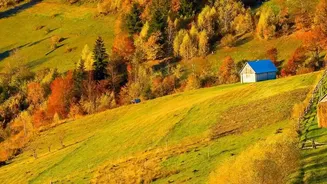
autumn, from late September to November, the monsoon has washed the landscape clean, leaving behind crystal-clear skies and forests ablaze with colour. The weather is crisp and ideal for outdoor activities, and the post-harvest glow in the villages adds to the charm. This season offers the perfect window to explore these less-commercialised pockets of the Kullu district before the winter snows arrive.
Tirthan Valley: A Riverside Paradise
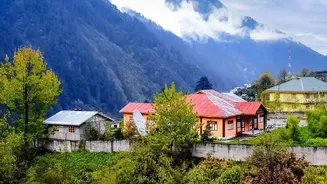
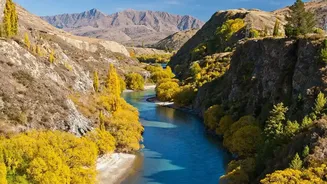
Named after the pristine Tirthan River, this valley is a designated eco-zone and the gateway to the Great Himalayan National Park (GHNP), a UNESCO World Heritage Site. Unlike bustling tourist towns, Tirthan’s appeal lies in its tranquility, traditional homestays, and the ever-present sound of the flowing river. It's a place where days are spent on nature walks, reading by the water, or exploring quaint villages like Gushaini and Nagini. The valley has a strong focus on eco-tourism, offering an authentic connection to the local culture and environment. Autumn is particularly special here, as the river is calm, the surrounding forests turn a golden-brown, and the crisp air is perfect for exploration.
What to Do in Tirthan This Autumn
Autumn is arguably the best time for many activities in Tirthan. The clear water of the river makes it an excellent season for trout fishing, an experience the valley is renowned for. The pleasant daytime temperatures, hovering between 12°C and 20°C, are ideal for hikes to nearby waterfalls like Chhoie Waterfall. For more adventurous souls, treks into the GHNP are highly recommended. You can also simply relax at a riverside homestay, enjoy fresh Himachali meals, and watch the day go by. It’s a destination that encourages you to slow down and appreciate the quiet rhythm of mountain life.
Shoja: A Hamlet of Serenity
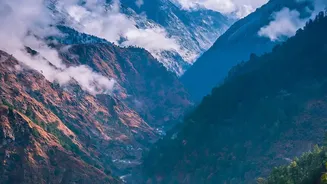
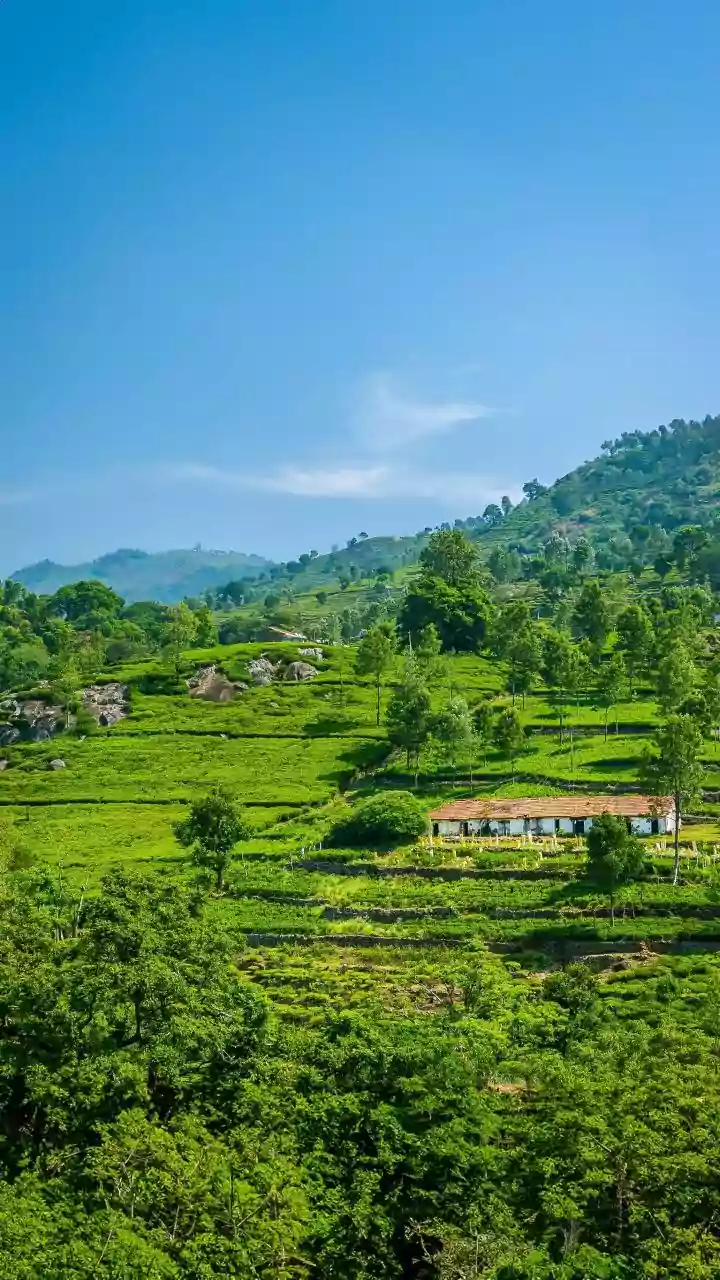
Perched at a higher altitude of around 2,700 metres, Shoja is a small, peaceful village that offers a different flavour of the region. Quieter than both Tirthan and the nearby village of Jibhi, Shoja is for those who seek true solitude and silence. It is characterized by dense deodar and oak forests, traditional wooden homes, and panoramic views of the surrounding peaks. Its main draw is its proximity to the stunning Jalori Pass. For travellers looking to disconnect completely, wake up to birdsong, and spend evenings stargazing, Shoja provides an idyllic setting.
Experiencing Shoja and Jalori Pass
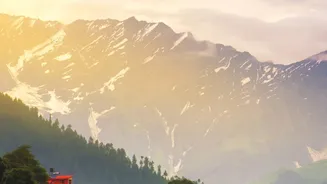
Shoja serves as the perfect base for exploring Jalori Pass, located just 5 km away. In autumn, the drive up to the pass is spectacular, with clear skies offering breathtaking views. From Jalori Pass (10,800 ft), you can embark on two popular short treks: one to Serolsar Lake, a serene high-altitude lake surrounded by forest, and another to the ruins of Raghupur Fort for 360-degree vistas. The trails are generally dry and less crowded during this season. After a day of trekking, you can retreat to a cosy cabin or homestay in Shoja, enjoying the profound peace of the mountains.
Planning Your Autumn Escape
Both Tirthan Valley and Shoja are accessible via road from Delhi (around a 12-hour journey) or Chandigarh (a 6-7 hour journey). The common route is to drive to Aut on the Manali highway and then take the turn-off for Banjar, which leads into the valley. A good plan is to spend 2-3 nights in Tirthan Valley to enjoy the riverside and then 2 nights in Shoja for the high-altitude serenity and Jalori Pass treks. Accommodation options range from budget-friendly homestays and hostels to charming riverside cottages. It is advisable to book in advance, as autumn is a popular season. Remember to carry cash, as ATMs are scarce, and pack layers to accommodate the warm days and cold nights.