




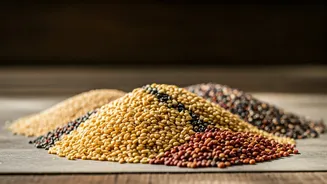


The Ancient Grain’s Modern Comeback
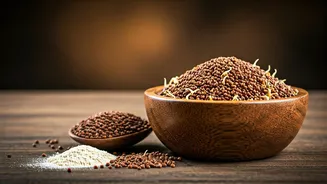
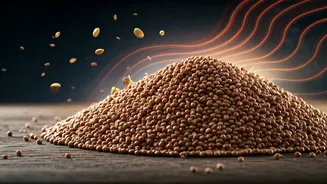
For generations, ragi, or finger millet, was a staple food across many parts of India, especially in the south. Known for its resilience as a crop and its ability to provide lasting energy, it was the fuel for farmers and labourers. However, with the rise
of processed wheat and rice, ragi was relegated to the status of a 'rural' or 'poor man's' grain. Now, the tables have turned. As fitness enthusiasts and nutritionists look for sustainable, nutrient-dense, and local food sources, ragi is experiencing a powerful resurgence. It’s no longer just a traditional food; it’s being celebrated as a modern Indian superfood that aligns perfectly with today’s wellness goals.
A Nutritional Profile That Outshines The Rest
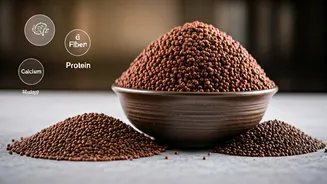
So, why the sudden buzz? The answer lies in its incredible nutritional makeup. Ragi is a veritable powerhouse. It's one of the best non-dairy sources of calcium, containing significantly more than wheat and rice, making it exceptional for bone health and muscle function. It's also rich in dietary fibre, which promotes satiety, aids digestion, and maintains a healthy gut. Unlike simple carbohydrates that cause energy spikes and crashes, ragi is a complex carbohydrate, ensuring a slow and sustained release of energy. Furthermore, it's packed with essential amino acids like Tryptophan, Methionine, and Valine, which are crucial for everything from muscle repair to mood regulation. And for those with dietary restrictions, ragi is naturally gluten-free.
The Perfect Fuel for Performance
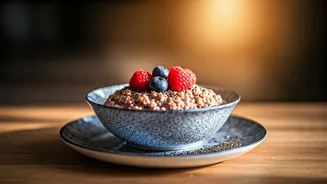
For anyone leading an active lifestyle, what you eat before and after a workout is critical. This is where ragi truly shines. Eaten as a pre-workout meal, a bowl of ragi porridge provides the sustained energy needed to power through a tough session without feeling bloated or heavy. Its complex carbs prevent the dreaded 'energy crash' mid-workout. Post-workout, its protein and amino acid content help in repairing and rebuilding muscle tissue, reducing soreness and aiding recovery. Its high iron content is another bonus, crucial for maintaining healthy haemoglobin levels, which ensures efficient oxygen transport to your muscles during exercise.
More Than Just a Fitness Food
The benefits of switching to ragi extend beyond the gym. It has a low glycemic index, which means it doesn't cause rapid spikes in blood sugar. This makes it an excellent food for individuals managing diabetes or those simply looking to maintain stable blood sugar levels for better energy and weight management. The high fibre content not only keeps you full for longer, helping to curb unhealthy snacking, but also plays a vital role in lowering cholesterol. Its natural iron content can also help combat anaemia. In essence, incorporating ragi is a holistic step towards better metabolic health.
How to Easily Add Ragi to Your Diet
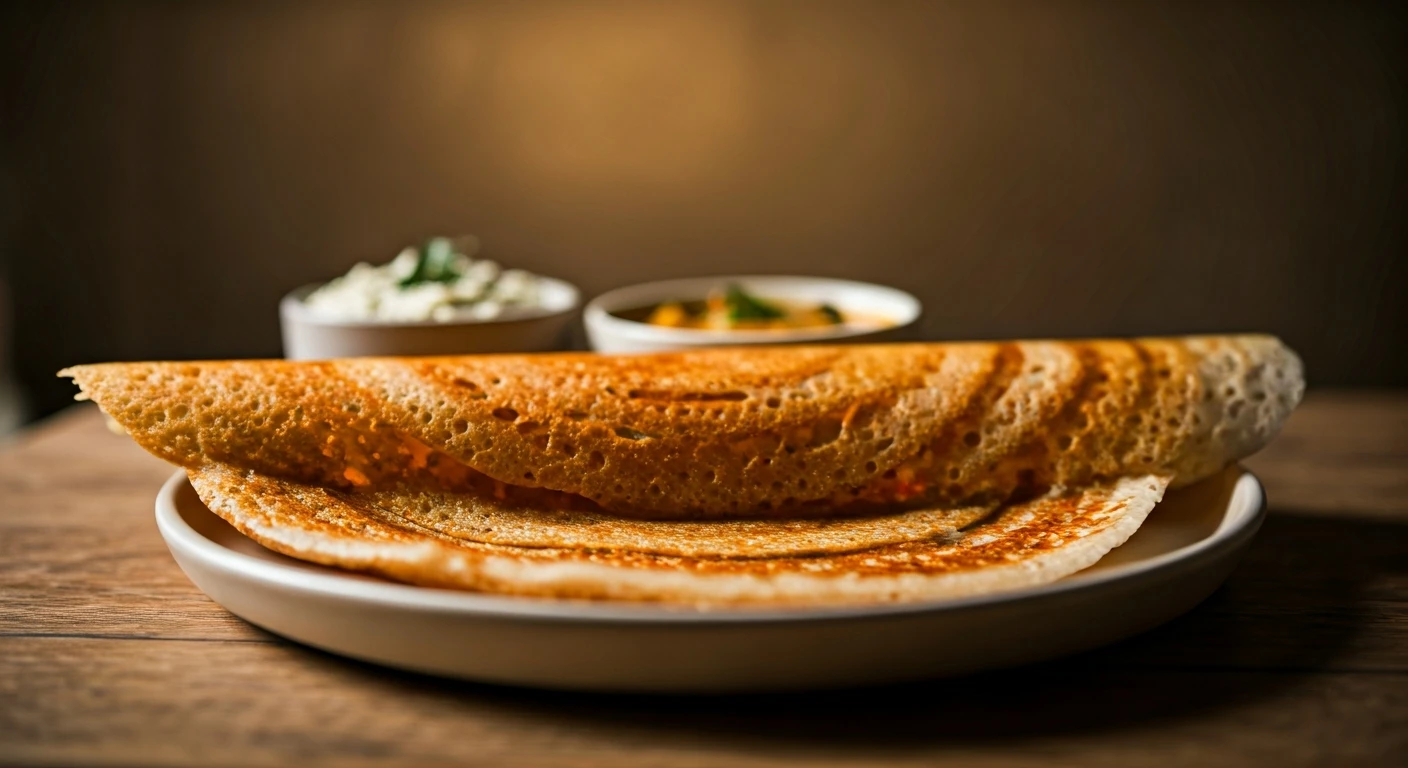
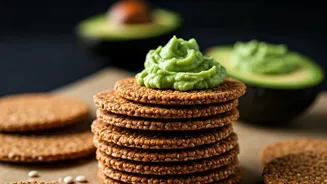
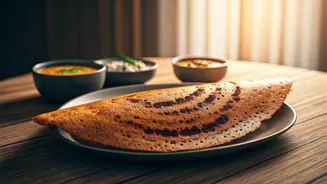
Adopting ragi doesn't require a complete overhaul of your diet. Its versatility is one of its greatest strengths. The easiest way to start is with a simple ragi porridge (kanji or malt), which can be made sweet or savoury. You can replace a portion of your regular wheat atta with ragi flour to make nutrient-dense rotis or parathas. Ragi flour is also perfect for making healthy dosas, idlis, and pancakes. For those with a sweet tooth, it can be used to bake healthy cookies, cakes, and laddus. You can even add a spoonful of ragi flour to your smoothies for an extra boost of fibre and nutrients. Start small and find what works best for your palate.