




The Alarming Message from Sea Ice
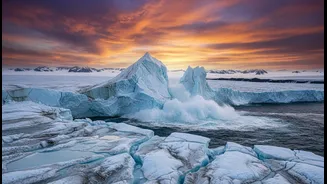
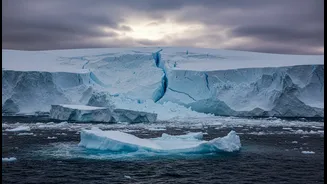
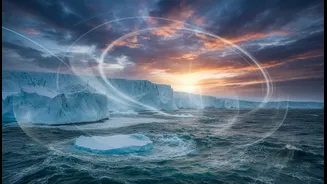
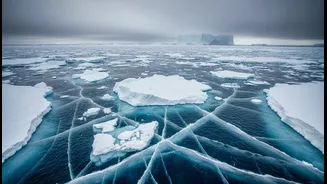
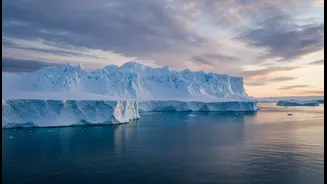
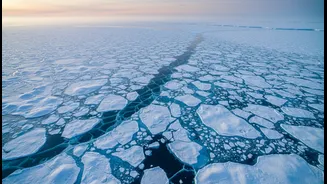
For a long time, the sea ice floating on the ocean around Antarctica seemed surprisingly stable, even growing in some years. That changed dramatically around 2016. Since then, scientists have witnessed a sudden and persistent decline, with sea ice extent
plunging to record lows. In 2023, the continent was missing a chunk of winter sea ice roughly ten times the size of the UK. This is a critical signal because sea ice acts as a protective shield. Its bright white surface reflects sunlight back into space, and its presence buffers the massive land-based ice shelves from ocean waves and warmth. The loss of this shield allows the ocean to absorb more heat and accelerates the melting of the glaciers that actually contribute to sea level rise.
West Antarctica’s ‘Doomsday’ Warning
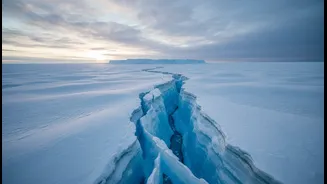
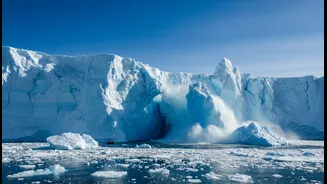
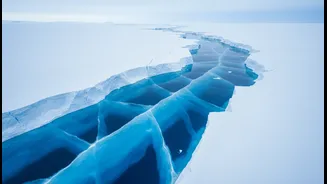
Nowhere are the signals more urgent than in West Antarctica, home to the Thwaites Glacier. Nicknamed the 'Doomsday Glacier', it is the size of Florida and holds enough ice to raise global sea levels by over two feet on its own. Scientists are watching with grave concern as its last protective ice shelf shows signs of imminent collapse, potentially within months. This shelf acts like a cork in a bottle, holding back the immense river of ice behind it. Its disintegration would not cause the entire glacier to collapse overnight, but it would remove a vital brake, accelerating its flow into the ocean. The glacier is already losing hundreds of billions of tons of ice, primarily because it is being melted from below by relatively warm ocean water.
A Sleeping Giant Stirs in the East
For decades, scientists considered the East Antarctic Ice Sheet—the largest single mass of ice on Earth—to be relatively stable. New research, however, is challenging that assumption. Studies now show that even this frozen behemoth is vulnerable, particularly to a process called basal melting, where warm ocean water gets trapped in channels under the ice, melting it from below. This process, which current climate models may be underestimating, suggests that even parts of East Antarctica could be at risk of substantial ice loss. While West Antarctica’s melt is a present danger, the awakening of the East, which holds enough ice to raise sea levels by over 50 metres, is a deeply concerning signal for the long-term future.
Why a Distant Problem Hits Close to Home
The melting of Antarctica is not a remote problem; its consequences are global and will be acutely felt in India. With a coastline stretching over 7,500 kilometres, India is highly vulnerable to rising sea levels. Even a partial collapse of a glacier like Thwaites would contribute to the sea level rise that threatens to inundate low-lying areas and intensify flooding in major coastal cities like Mumbai, Kolkata, and Chennai. This threatens not only millions of homes and livelihoods but also critical infrastructure like ports, power plants, and roads. Beyond permanent flooding, the rise in sea level leads to increased coastal erosion, saltwater intrusion into freshwater sources used for drinking and agriculture, and the destruction of vital ecosystems like mangroves that protect the coast.