




Why Humidity Is the Real Game-Changer
During dry summer months, plants release water vapor through tiny pores in their leaves called stomata. This process, known as transpiration, is like plant sweat. It cools the plant and pulls more water up from the roots. However, when the monsoon arrives,
the air becomes saturated with moisture. This high humidity significantly slows down the rate of transpiration because the air can't absorb much more water vapor. As a result, your plants use and lose far less water than they did in the summer, even on days when it doesn't rain. Continuing to water on a summer schedule is one of the most common mistakes a gardener can make during this season.
The Dangers of an Outdated Schedule
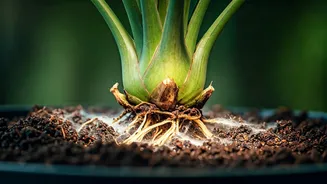
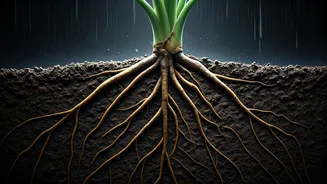
The biggest killer of plants during the monsoon isn't pests or disease, but overwatering. When the soil stays consistently soggy, it becomes waterlogged. This suffocates the roots, which need oxygen to function and absorb nutrients. This oxygen-starved environment is the perfect breeding ground for fungal diseases and root rot. Once root rot sets in, the roots turn mushy and black, lose their ability to support the plant, and may eventually lead to the plant's death. Ironically, a plant suffering from root rot will often look wilted, which might trick you into watering it even more.
Abandon the Calendar, Adopt the Touch Test
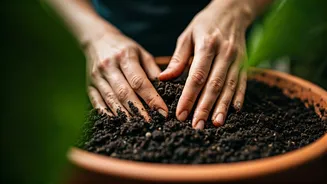
The single most important change to make is to stop watering on a fixed schedule. Instead, let your plants tell you when they're thirsty. The most reliable method is the finger test. Before even thinking about reaching for your watering can, push your index finger about two inches into the soil. If the soil feels damp, even slightly, hold off on watering. If it feels dry at that depth, then it's time to give your plant a drink. For succulents and cacti, you should let the soil dry out completely. This simple, physical check is far more accurate than guessing based on the number of days that have passed.
Know the Warning Signs of Overwatering
Your plants will give you visual cues when they are getting too much water. One of the most common signs is yellowing leaves, especially the lower ones. Unlike the crisp, dry leaves of an underwatered plant, these will feel soft and limp. You might also notice that the plant is dropping both old and new leaves. Other signs include a mushy stem base, brown spots on leaves often circled by a yellow halo, or even a musty, rotten smell coming from the soil. The appearance of mould on the soil surface or tiny flying insects called fungus gnats are also clear indicators of overly moist conditions.
Extra Monsoon Care for Healthy Roots
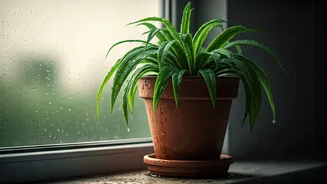
Beyond adjusting your watering frequency, a few other steps can help your plants thrive. Ensure every pot has adequate drainage holes so excess water from rain or watering can escape freely. If your pots are on saucers, be sure to empty them after a downpour; leaving pots in standing water is a direct invitation to root rot. Elevating pots on small bricks or 'pot feet' can also improve drainage and air circulation. Finally, good airflow around the plants helps to reduce humidity on the leaf surfaces and can prevent fungal issues. If possible, avoid crowding plants too closely together.