





Start with a Conscious Idol
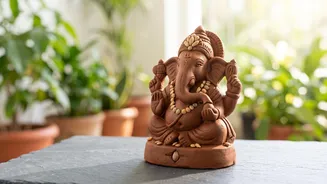
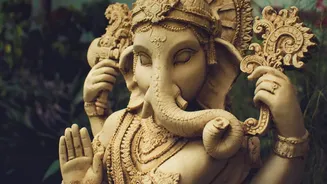
The centrepiece of the festival is the idol, making it the most impactful choice. For centuries, idols were made from river clay (Shadu Mati), which would harmlessly dissolve back into the elements. Today, the most popular choice is Plaster of Paris (PoP)
because it is lightweight and cheap. However, PoP is non-biodegradable, and along with chemical paints, it pollutes water bodies, reduces oxygen levels, and harms aquatic life. The best alternative is to return to tradition with a pure clay idol. These idols, made from materials like Shadu Mati or red soil, dissolve in water within hours. When buying, ask the artisan if the idol is free of PoP and if natural, water-soluble paints like turmeric have been used. For an even more unique approach, consider a 'plantable' Ganesha, an idol containing seeds that can be placed in a pot after the festival and grow into a plant, beautifully symbolising the cycle of life.
Embrace Natural Decorations
A festive mandap doesn't need plastic or thermocol to look grand. In fact, natural decorations offer a richer, more authentic charm. Avoid plastic props and glitter, which are harmful pollutants. Instead, create a stunning backdrop using a colourful cotton or silk saree or dupatta from your own wardrobe. Adorn the space with fresh, fragrant flowers like marigolds and jasmine, and use mango or banana leaves to create traditional torans. For lighting, skip the excessive electric lights and opt for the warm, gentle glow of earthen clay diyas. You can also craft your own decorations, like paper fan backdrops made from recycled paper, or paint small terracotta pots to hold flowers and offerings. A beautiful rangoli made from rice flour, turmeric, and flower petals completes the look without any synthetic chemicals.
Mindful Prasad and Offerings
The spirit of sustainability can extend to the prasad we offer and share. Single-use plastic and styrofoam plates, bowls, and spoons create a mountain of waste. Instead of disposables, serve prasad on traditional and biodegradable banana leaves or reusable steel utensils. When distributing prasad to friends and family, use cloth bags or steel containers instead of plastic bags. Planning your food preparation carefully helps avoid wastage, and any excess can be donated to local shelters. After the puja, floral offerings and other organic materials like leaves and fruit peels don't need to be discarded. They can be collected and composted at home, turning them into nutrient-rich manure for your plants.
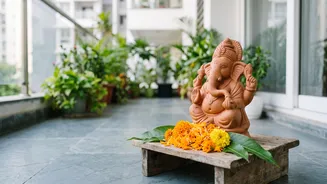
A Responsible Visarjan
The farewell to Ganesha, or visarjan, is a poignant ritual that can also be done with complete respect for the environment. Immersing a PoP idol in a lake or river causes significant pollution. An eco-friendly clay idol, however, allows for a personal and clean visarjan right at home. Prepare for the immersion by filling a large bucket or tub with water in your home or on a balcony. After performing the final aarti, gently place the idol inside the water. Depending on its size, a Shadu Mati idol will naturally dissolve in a few hours. This dissolved clay water is rich in minerals and can be poured into your garden or potted plants, allowing Bappa's blessings to nurture life long after the festival. This beautiful act completes the cycle of returning to nature from where it came.