






Hampi: A Tryst with History and Boulders
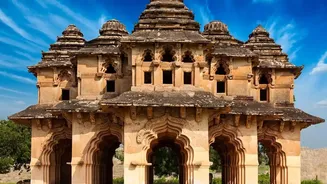
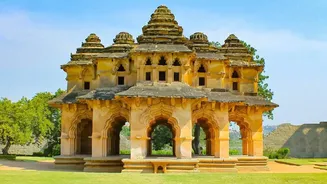
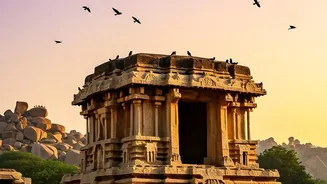
To choose Hampi is to choose a journey back in time. As the erstwhile capital of the formidable Vijayanagara Empire, this UNESCO World Heritage Site is an open-air museum of staggering proportions. The landscape is otherworldly, defined by giant ochre-toned
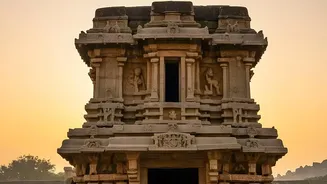
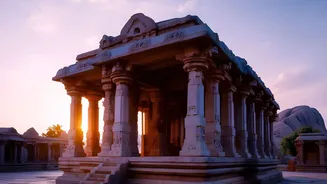
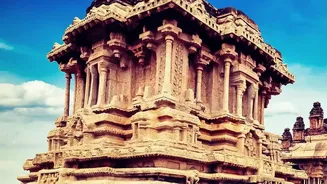
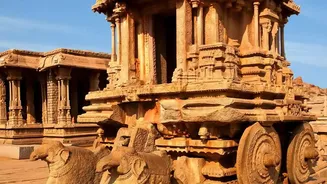
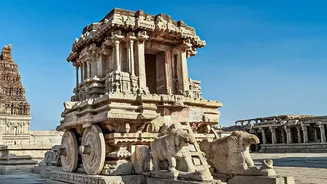
boulders that seem to defy gravity, interspersed with the majestic ruins of temples, palaces, and marketplaces. The traveller who comes to Hampi is often a history aficionado, an architecture enthusiast, or a photographer seeking to capture the grandeur of a lost civilisation. They find magic in the intricate carvings of the Vittala Temple, home to the iconic stone chariot and musical pillars. Mornings are for climbing Matanga or Anjaneya Hill for a breathtaking sunrise over the Tungabhadra River, and afternoons are for getting lost in the stories etched into every stone. This traveller is not just looking for a holiday; they are on a quest for knowledge and a tangible connection to India’s glorious past. The atmosphere is contemplative, with a spiritual undercurrent that is amplified by active places of worship like the Virupaksha Temple.
Gokarna: A Call to the Sun and Sea
Gokarna, on the other hand, beckons the traveller whose primary desire is to unwind and connect with nature’s rhythm. It is a coastal town that expertly balances its identity as a significant Hindu pilgrimage site with its reputation as a laid-back beach paradise. The main draw is its string of beautiful beaches, each with its own distinct personality. Kudle Beach is known for its wide expanse of sand and gentle waves, perfect for swimming and evening strolls. Om Beach, famously shaped like the sacred symbol, is a hub for water sports and vibrant shacks. For those seeking more solitude, a trek or a boat ride leads to the secluded Half Moon and Paradise beaches. The traveller here is often a backpacker, a yogi, or someone seeking a quieter, less commercialised alternative to Goa. The vibe is distinctly bohemian and relaxed. Days are measured by the tides, spent lounging in a beachside cafe, practicing yoga, or simply watching a spectacular sunset over the Arabian Sea.
The Daily Rhythm: Exploration vs. Relaxation
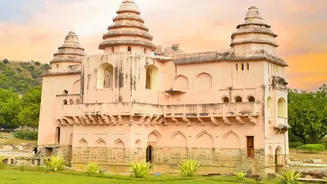
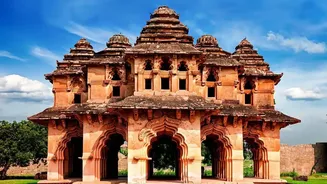
The daily life of a visitor in each place could not be more different. In Hampi, a typical day is active and exploratory. It involves renting a bicycle or scooter to navigate the vast ruins, hopping between the Royal Enclosure, Elephant Stables, and various temples, and perhaps taking a coracle boat ride on the river. The social scene is more subdued, centred around conversations in guesthouses on the 'hippie island' side of the river or sharing a sense of wonder with fellow explorers amidst the ruins. In contrast, a day in Gokarna is defined by leisurely pursuits. It might start with a morning yoga session, followed by a swim and a long lunch at a shack with feet buried in the sand. The main activity is often the scenic trek connecting the different beaches, offering stunning cliff-top views of the coastline. The social atmosphere is more traditionally 'backpacker,' with travellers from around the world mingling easily in cafes and on the beach, creating a more communal and laid-back holiday feel.
Pilgrimage: Ancient vs. Coastal
Both destinations hold deep spiritual significance, but they manifest differently. Hampi's spirituality is rooted in its epic history and mythology; it is believed to be the site of the mythical monkey kingdom of Kishkindha. Its temples, though ancient, are living sites of worship, attracting devotees who come to feel the divine presence amidst the ruins. Gokarna's spiritual heart is the Mahabaleshwar Temple, which houses the Atmalinga and draws pilgrims from across the country, earning it the name 'Dakshin Kashi' or Kashi of the South. For the traveller, this means Hampi offers a spiritual-archaeological experience, while Gokarna provides a unique blend of a traditional pilgrimage town and a modern beach destination.