

A Widespread National Deficit
Several surveys highlight a significant gap in protein consumption across the country. One widely cited survey found that 73% of urban Indians are protein-deficient, with a staggering 93% unaware of their daily protein requirements. This isn't an issue
confined to a specific region or income level but a pervasive national problem. The Indian Council of Medical Research (ICMR) recommends a daily intake of 0.83 grams of protein per kilogram of body weight for a healthy adult. For a 65 kg individual, this translates to about 54 grams daily. However, studies show the average intake is closer to 0.6 grams per kilogram, a seemingly small shortfall that accumulates over time with significant health consequences.
More Than Just Muscle
The focus on protein for muscle building is valid, but it’s only a fraction of the story. Protein is a master nutrient, essential for countless bodily functions. Its building blocks, amino acids, are vital for creating enzymes and hormones that regulate everything from digestion to your mood. They are crucial for a robust immune system, helping your body produce antibodies to fight off infections. Furthermore, adequate protein is necessary for healthy hair, skin, and nails, and plays a role in repairing tissues after an injury. Symptoms like persistent fatigue, frequent illness, slow recovery, and even hair fall can be signs of insufficient protein intake.
The Challenge of the Indian Plate
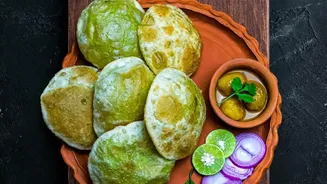
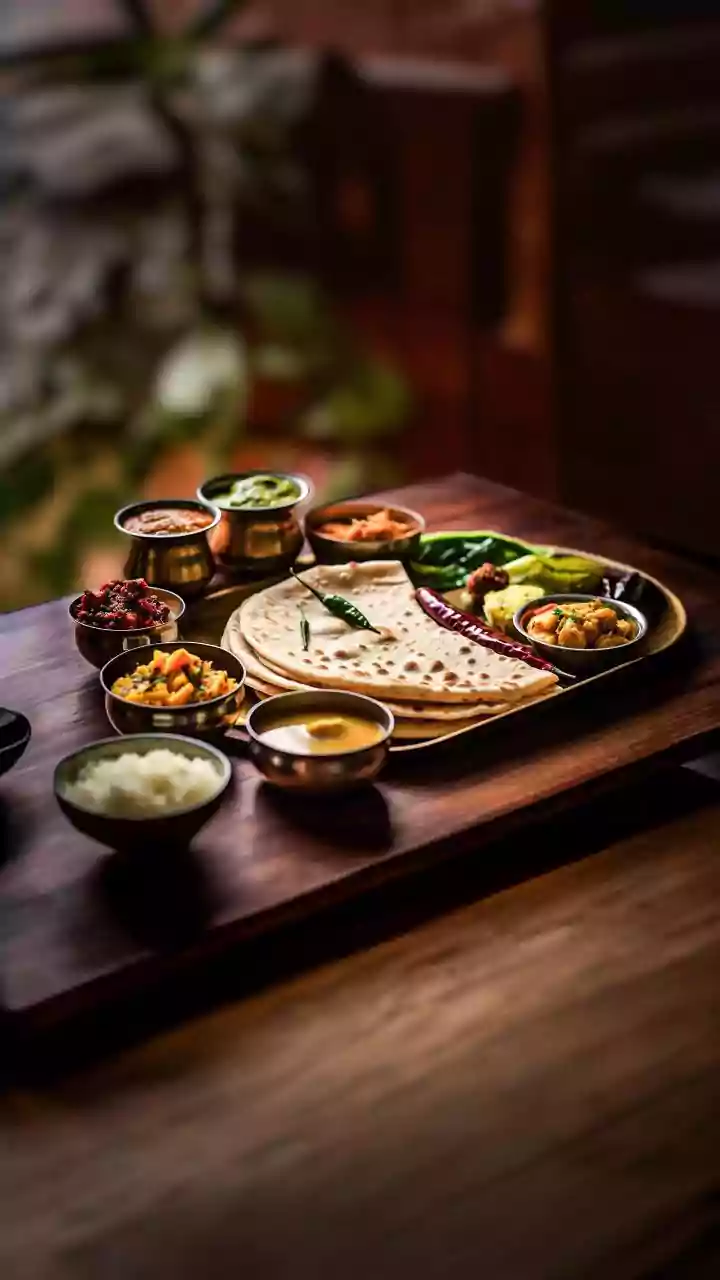
The typical Indian diet, while delicious and diverse, is often unintentionally low in protein. Meals are frequently cereal-based, with rice or roti forming the largest portion of the plate. While dals, legumes, and paneer are part of the diet, they are often consumed in smaller quantities. One analysis found that nearly 60% of protein in the average Indian diet comes from cereals, which have lower digestibility compared to other sources. A common daily meal plan—consisting of roti and sabzi for breakfast, dal-roti for lunch, and a similar dinner—can total just 35 grams of protein, falling well short of the recommended 50-55 grams for an average adult.
Finding Protein on a Budget
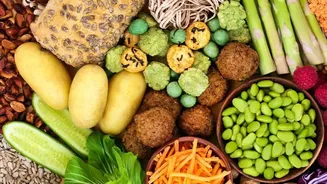
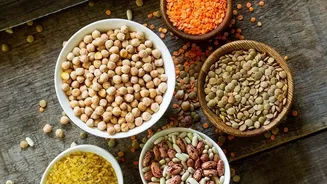
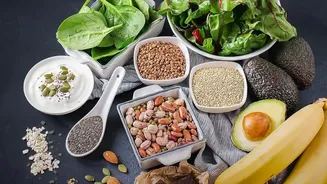
A common myth is that a protein-rich diet is expensive, but many of India’s most affordable foods are packed with this vital nutrient. Soya chunks are a standout, offering one of the highest amounts of protein per rupee. Lentils and pulses like moong, masoor, and chana dal are incredibly cost-effective protein sources. A single egg provides about 6 grams of high-quality protein for just a few rupees. Dairy products like homemade curd and paneer are also excellent choices. Even peanuts, often enjoyed as a simple snack, are a surprisingly good source of protein. The key is not necessarily to eat more, but to consciously shift the balance on your plate to include more of these protein-dense foods.
Simple Swaps for Better Health
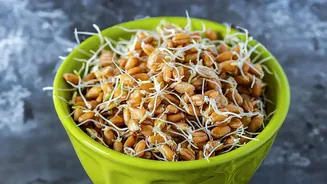
Bridging the protein gap doesn't require a complete dietary overhaul. It can start with small, consistent changes. Consider adding a side of sprouts or a bowl of curd to your main meals. Swapping a biscuit snack for a handful of roasted chana or peanuts can make a significant difference. For vegetarians, combining cereals with legumes—like in the classic dal and rice or rajma and rice—helps create a complete protein profile, ensuring you get all the essential amino acids. Making protein a conscious part of every meal, from breakfast to dinner, is the first step toward addressing the deficiency and improving long-term health, energy, and immunity.